




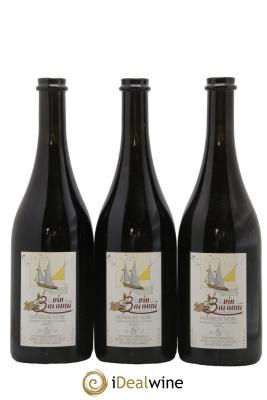
Vins Etrangers Chardonnay Brut Sauvage Belgique Ruffus
12%
0.75L
Intensity
The technique for producing these ‘bubbly’ wines dates back to the end of the 19th century. These nectars are popular for their freshness and festive character. Serve between 8 and 10 C° as an aperitif.
More infoLot presentation
Vins Etrangers Chardonnay Brut Sauvage Belgique Ruffus
The wine
Fancy some bubbles? While a number of regions and appellations enjoy strong reputations (Champagne, Vouvray, Italian Prosecco, etc.), it is perfectly possible to produce sparkling white wine anywhere around the world, as evidenced by this cuvée.
A sparkling wine, unlike a still wine, contains more than 1 g of CO2 per litre. Depending on the level of CO2, the wine can be either sparkling, fizzy or beady. During the alcoholic fermentation process in still wines, the sugar is transformed into alcohol, releasing CO2 into the air. So the idea is to either leave or reintroduce this gas into the wine before bottling, or to generate further fermentation inside the bottle itself. This is called second fermentation or bottle fermentation. You can detect the presence of CO2 in the wine by the tiny bubbles you see in the glass and dance on your palate, which many wine lovers like to taste as an aperitif.
Second fermentation techniques may differ, depending on the wine and its appellation (some appellations stipulate a particular method in their specifications): traditional, ancestral or rural methods, gasification, closed vats, dioise, etc.
White sparkling wines can be produced from any colour grapes, without maceration of the red berries. To produce a quality wine, the grapes involved must contain a fairly high level of acidity. These nectars can be either dry or sweet to the palate.
You might also like...
Similar lots

to statistics for over
150,000 price estimates