
Loading

Wine for sale: Savoie

| 105 results

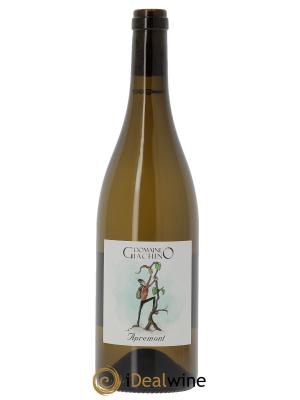
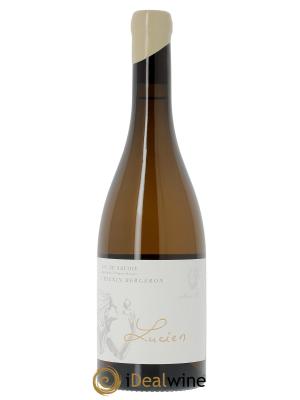
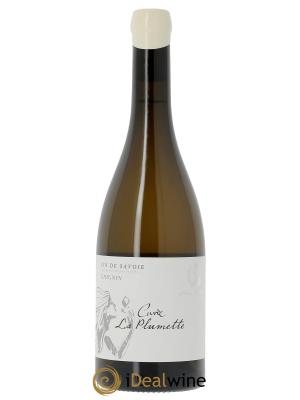
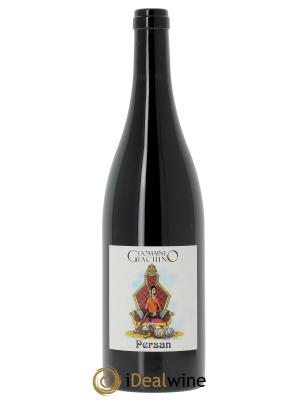
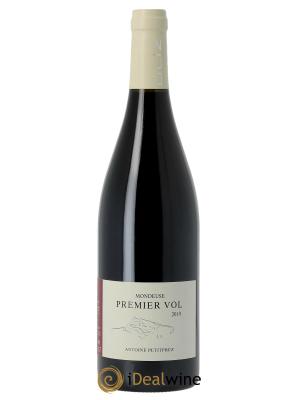
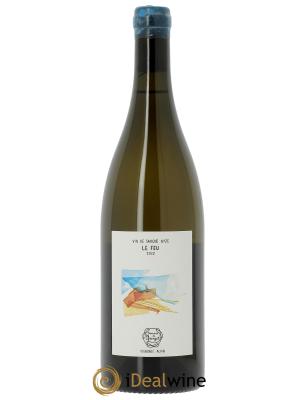
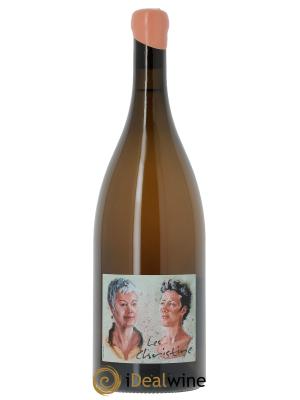
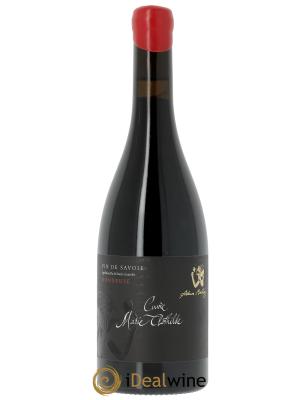
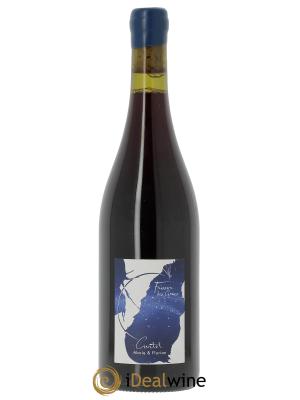
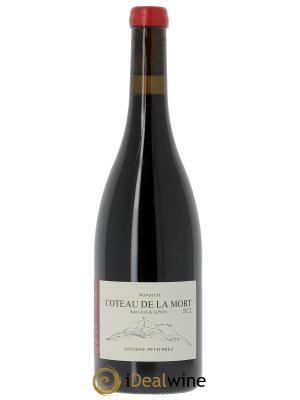
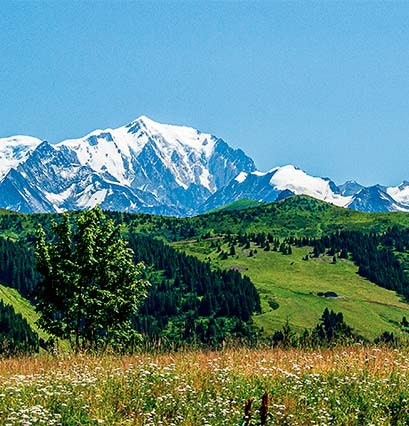
Savoie (Savoy) has been a wine-producing region since ancient times, but the region really developed under the Roman Empire and then thanks to monks in the Middle Ages. In 1860, Savoy became part of France, and its wine had to compete with French wines, as well suffering the ravages of phylloxera. Over the last few decades, the region has risen from the ashes and taken a turn for the better in terms of quality. With some 2,200 hectares of vines according to the French National Institute for Statistics and Economic Research, Savoie is the smallest wine region in France after Jura. Its diverse soil types, altitude, numerous grape varieties – 23 in all – and continental microclimate enable a unique offering of wines. White wine production predominates, accounting for two thirds of the total production, with three emblematic grape varieties: Jacquère (50% of the vines planted), Altesse (10%) and Chasselas. Gringet is also a well-known variety to fans of wines from Aiton and the late Dominique Belluard. As far as red wines are concerned, the Mondeuse grape variety is the pride of the region. The Roman writer Columella described it as “the grape variety that ripens amidst the snow”. It makes wines that can be kept for over ten years.

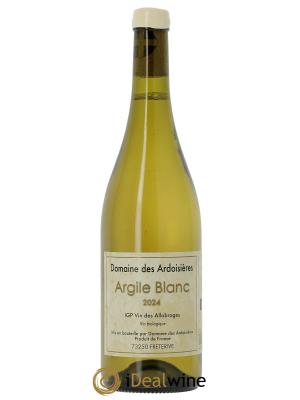
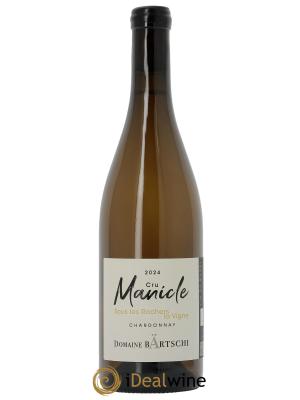
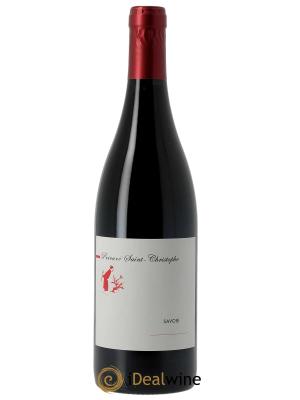
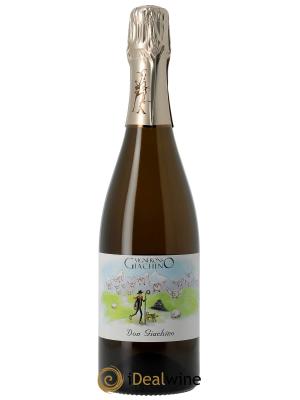
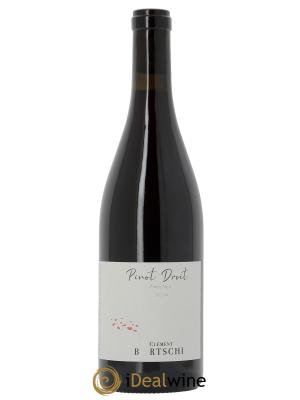
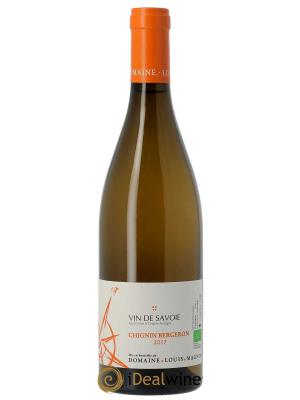
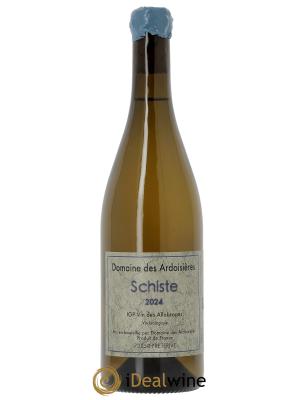
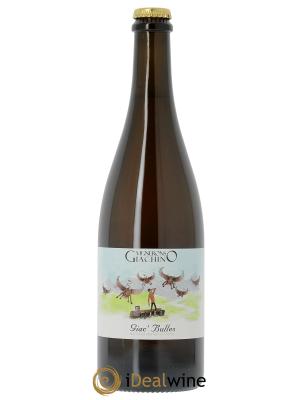
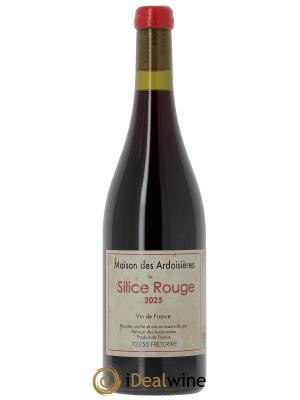
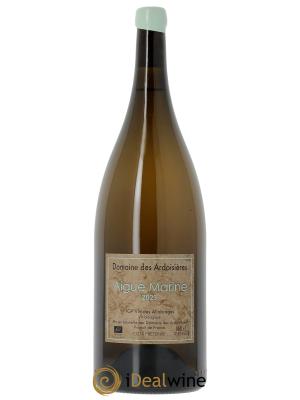
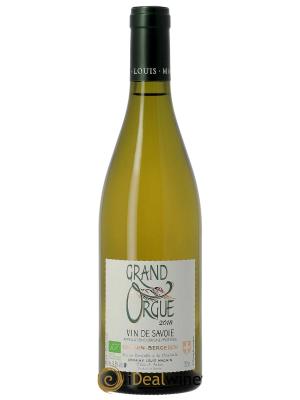
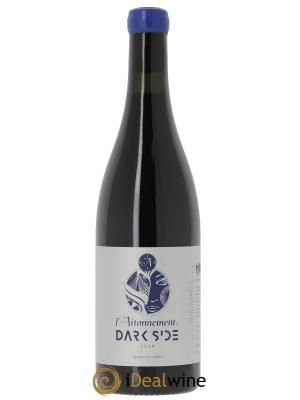
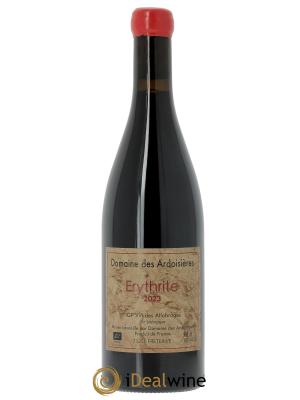
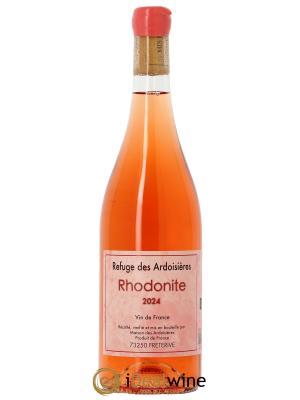
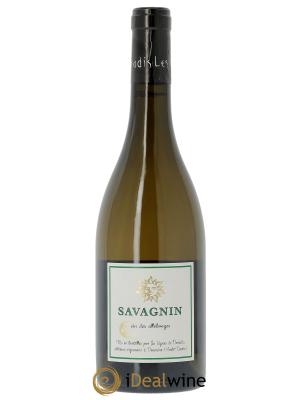
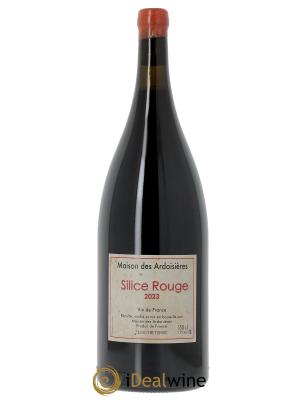
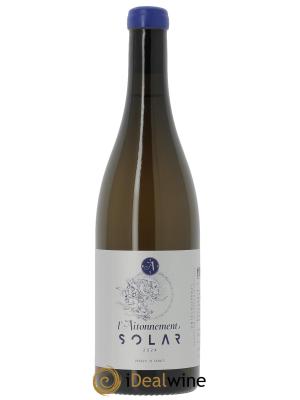
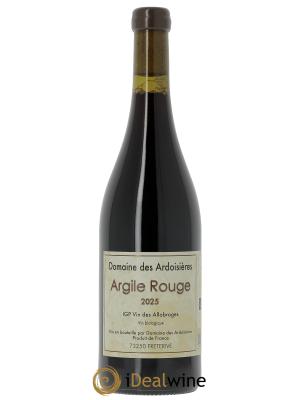
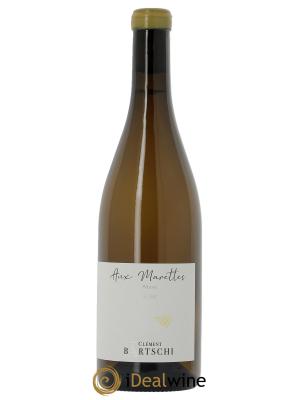
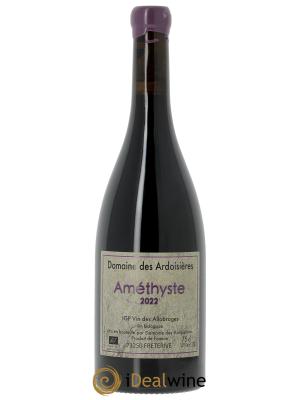
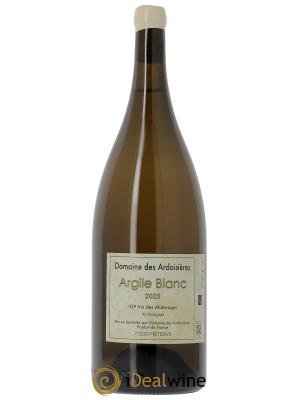
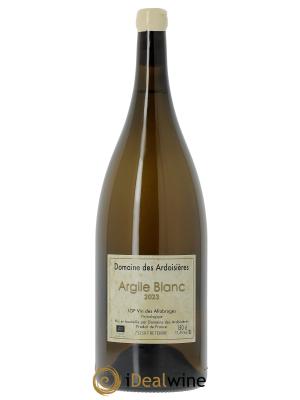
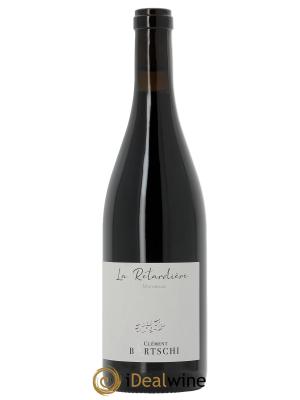
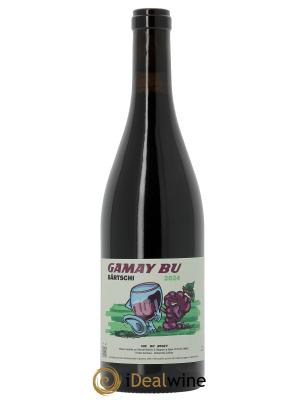
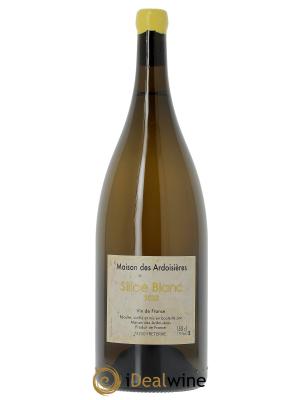
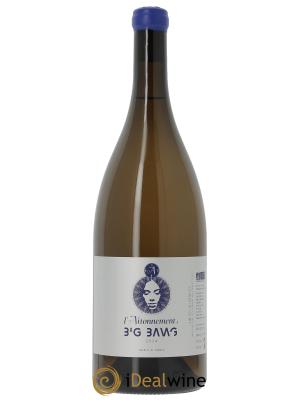
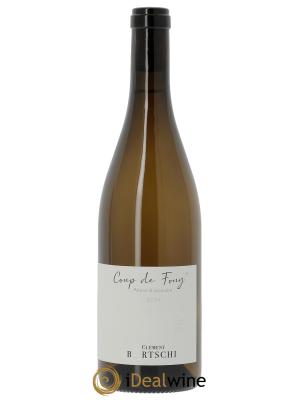
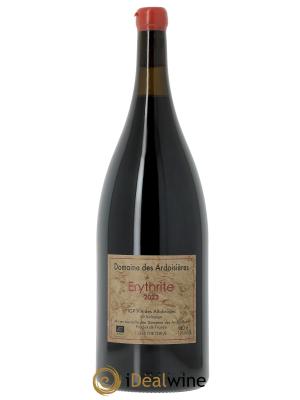
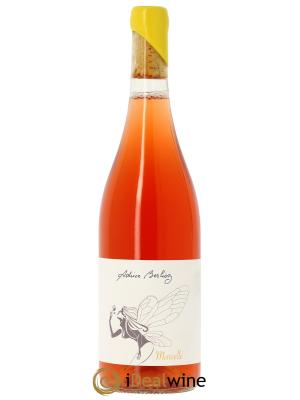
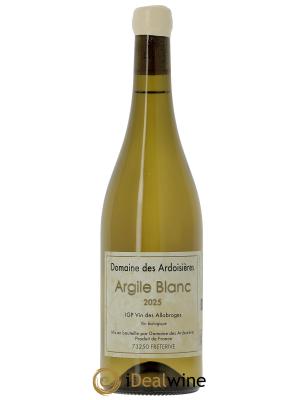
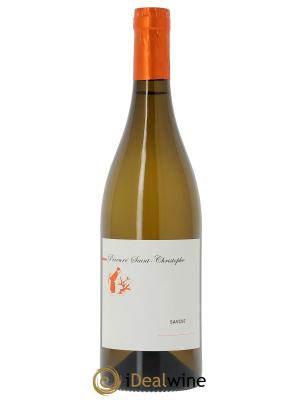
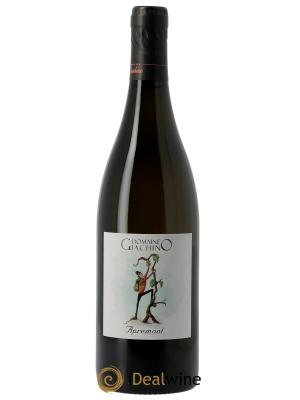
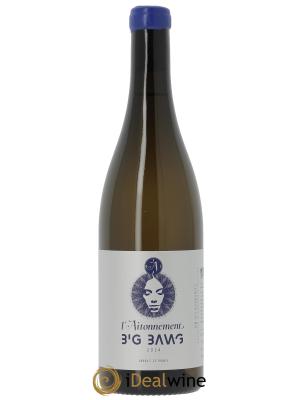
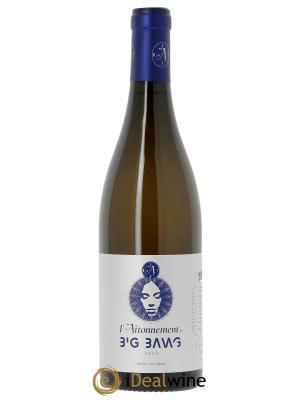
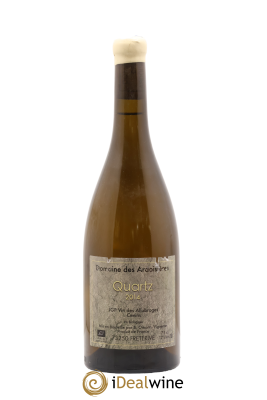
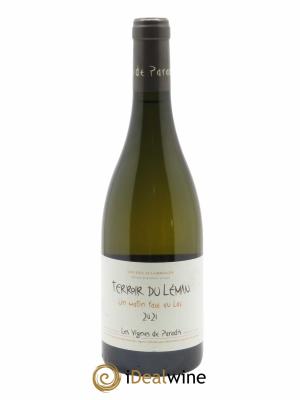
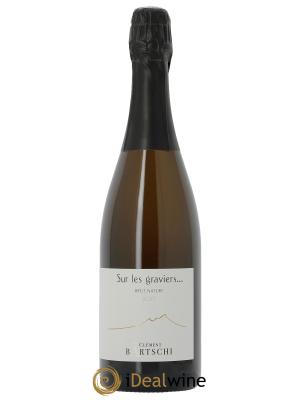
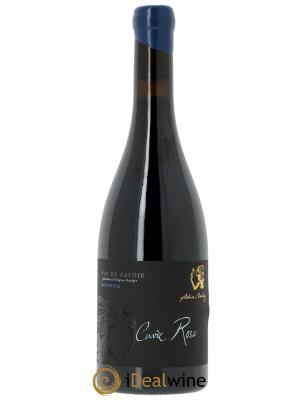
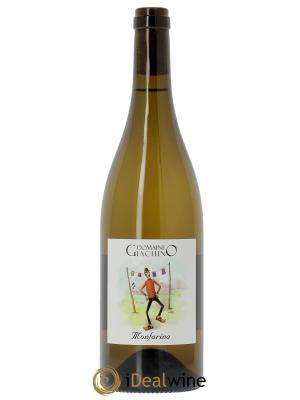
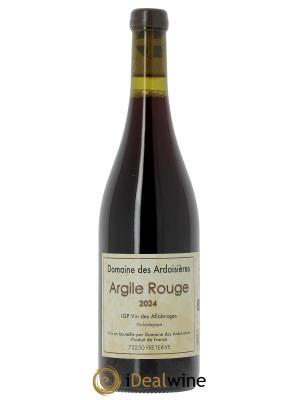
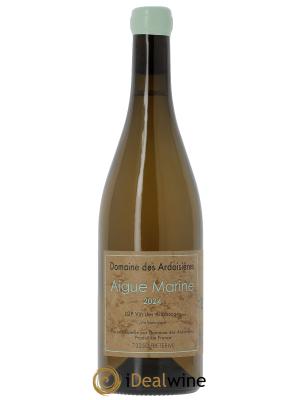
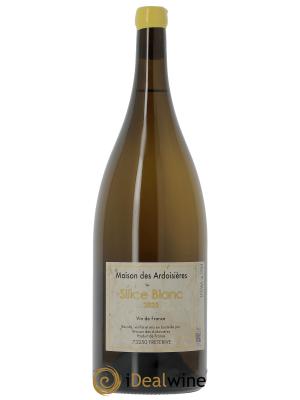
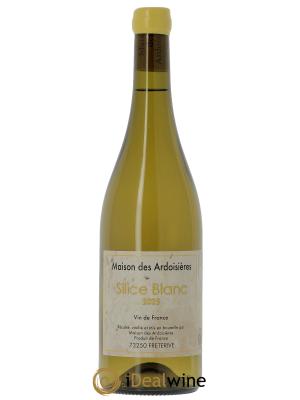
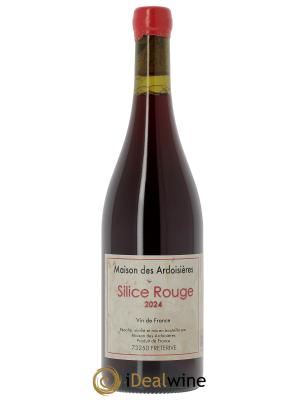
Savoie has only a few PDOs and PGIs (AOP/AOC and IGP in French): AOC Vin de Savoie, AOC Seyssel, AOC Roussette de Savoie, IGP Vins des Allobroges and IGP Isère. Nevertheless, there are some famous crus for white wines, such as Abymes, Apremont, Chignin, Saint-Jeoire-Prieuré, Crépy, Marin, Marignan, Ripaille, Chautagne, Cruet, Jongieux, Montmélian, Chignin-Bergeron and Ayze. For red and rosé wines, the crus are Saint-Jean-de-la-Porte, Chautagne, Arbin, Chignin and Jongieux. Some of the best-known Savoyard producers who are driving the region forward are Gilles Berlioz, Frédéric Giachino (who took over Michel Grisard’s vineyard Le Prieuré Saint Christophe), Domaine de Ardoisières (run by Brice Omont, who also took over Louis Magnin’s vines), Maxime Dancoine with his Domaine de L’Aitonnement, Clément Bärtschi (AOP Bugey), and Les Vignes du Paradis. With small production volumes, their wines are rare but oh so delicious!
Savoie

Savoie (Savoy) has been a wine-producing region since ancient times, but the region really developed under the Roman Empire and then thanks to monks in the Middle Ages. In 1860, Savoy became part of France, and its wine had to compete with French wines, as well suffering the ravages of phylloxera. Over the last few decades, the region has risen from the ashes and taken a turn for the better in terms of quality. With some 2,200 hectares of vines according to the French National Institute for Statistics and Economic Research, Savoie is the smallest wine region in France after Jura. Its diverse soil types, altitude, numerous grape varieties – 23 in all – and continental microclimate enable a unique offering of wines. White wine production predominates, accounting for two thirds of the total production, with three emblematic grape varieties: Jacquère (50% of the vines planted), Altesse (10%) and Chasselas. Gringet is also a well-known variety to fans of wines from Aiton and the late Dominique Belluard. As far as red wines are concerned, the Mondeuse grape variety is the pride of the region. The Roman writer Columella described it as “the grape variety that ripens amidst the snow”. It makes wines that can be kept for over ten years.

Savoie has only a few PDOs and PGIs (AOP/AOC and IGP in French): AOC Vin de Savoie, AOC Seyssel, AOC Roussette de Savoie, IGP Vins des Allobroges and IGP Isère. Nevertheless, there are some famous crus for white wines, such as Abymes, Apremont, Chignin, Saint-Jeoire-Prieuré, Crépy, Marin, Marignan, Ripaille, Chautagne, Cruet, Jongieux, Montmélian, Chignin-Bergeron and Ayze. For red and rosé wines, the crus are Saint-Jean-de-la-Porte, Chautagne, Arbin, Chignin and Jongieux. Some of the best-known Savoyard producers who are driving the region forward are Gilles Berlioz, Frédéric Giachino (who took over Michel Grisard’s vineyard Le Prieuré Saint Christophe), Domaine de Ardoisières (run by Brice Omont, who also took over Louis Magnin’s vines), Maxime Dancoine with his Domaine de L’Aitonnement, Clément Bärtschi (AOP Bugey), and Les Vignes du Paradis. With small production volumes, their wines are rare but oh so delicious!
2023
A
19.50
22.50 | Buy 6, get 10%
2021
A
25
2023
A
34
2023
A
52
2023
A
25
2022
A
25
H
2022
23
2022
A
46
33.30 | Buy 6, get 10%
2021
A
37
28.80 | Buy 3, get 10%
2020
A
32
2022
A
38
2022
41(current price)Price per bottle 13.67
2021
20(starting price)
2022
A
70
2021
A
70
Available soon
2023
A
38
Availability alert
2023
A
52
2023
A
24
2022
40
2023
A
80
2023
A
38
2023
23.50
2022
23.50
2023
A
64
2023
A
32
2022
A
30
23.40 | Buy 6, get 10%
2021
A
26
2022
A
17
2023
A
100
2023
A
50
43.70 | Buy 3, get 5%
2022
A
46
2023
A
104
2023
A
50
2023
34
2022
29
2023
A
40
2023
A
80
2023
A
40
2022
26
2023
20.50
2022
A
29
2023
A
64
2023
A
32
2022
A
30
2023
A
29
2023
A
35
2022
A
32
2023
A
60
57 | Buy 3, get 5%
2022
A
60
2019
A
K
30
2022
A
19.80
17.10 | Buy 3, get 10%
2022
A
19
H
2020
A
19.50
2023
A
26
22.50 | Buy 6, get 10%
2021
A
25
2022
A
22
2023
K
28
2024
A
16
2023
A
36
2024
A
16
2023
A
36
2023
41(starting price)Price per bottle 13.67
2023
41(starting price)Price per bottle 13.67
2021
54(starting price)Price per bottle 18
2024
A
37
2023
A
17
2021
29.50
2019
A
K
32
2017
A
K
24
2018
A
32
2019
27.90
2018
A
K
60
19.35 | Buy 6, get 10%
2018
A
K
21.50
2022
42
2022
70
2023
A
18
2023
41(current price)Price per bottle 13.67