How does the German wine appellation system work?
When starting to explore German wines, the complex appellation system introduced in 1971 can sometimes be a stumbling block. But panic not, iDealwine has it worked out for you. Germany classifies and recognises its wines according to the region of production and the density of the grape must used.
Wine regions
In Germany, production areas must be very precisely defined and delimited, sometimes down to plot level. These zones are then clearly identified and identifiable on the label. First of all, you’ll find the Anbaugebiet, the equivalent of the PDO or AOP/AOC wine region. Germany recognises thirteen of these. Next comes the Bereich, a subdivision of the Anbaugebiet – these are relatively large sub-regions, most often bearing the name of a famous village. Finally, the label mentions the name of the group of vineyards (Großlage) or single vineyard (Einzellage) that produce(s) the wine. This system is often a cause for confusion, and even criticism, as it is difficult to know whether the vineyard mentioned is an Einzellage or a Großlage (note that Großlage average 600 hectares in size).
However, for a clearer picture, there are two indications that you can rely on: the geschützte Ursprungsbezeichnung, the equivalent of the protected domination of origin or PDO label, recognised by the European Union, and the Qualitätswein bestimmter Anbaugebiete, which certifies that the grapes have been grown within one of the 13 Anbaugebiete, prohibiting the blending of wines from different regions.
Must density
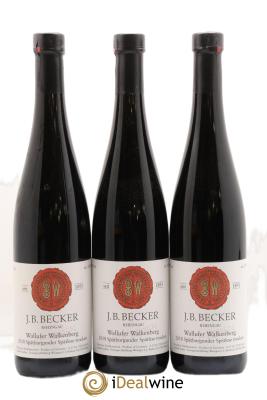
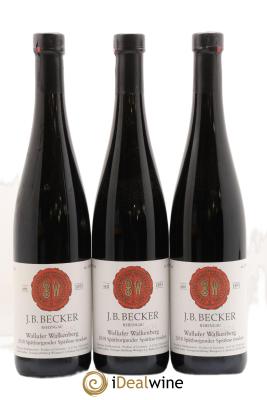
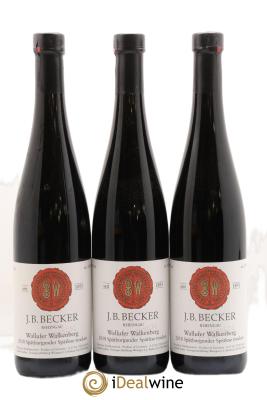
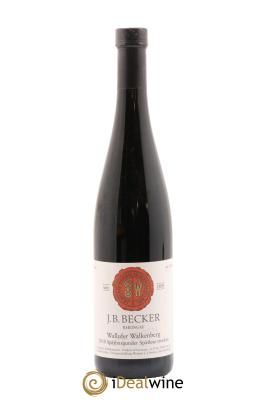
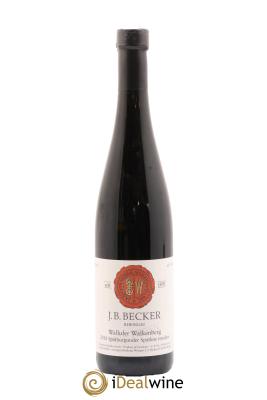
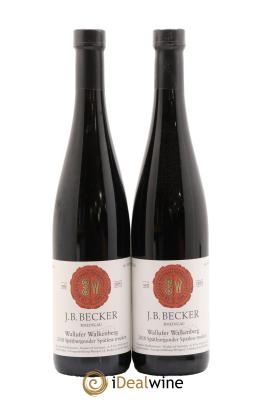
German wine labels also indicate the density of the must. The first subdivision of this classification system is called Prädikatswein. These are quality wines from a single Bereich, representing between 30% and 70% of total German wine production depending on the vintage. The label of a Prädikatswein must then indicate the Prädikat level to which it belongs, i.e. the level of density of the must at the time of harvest, which can give an indication of the level of residual sugar the wine contains. There are six levels of Prädikat (listed here from lowest to highest):
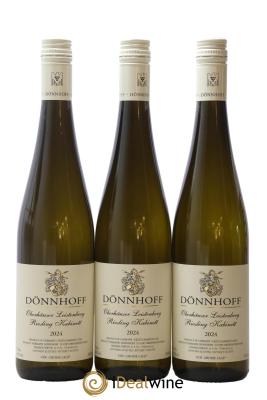
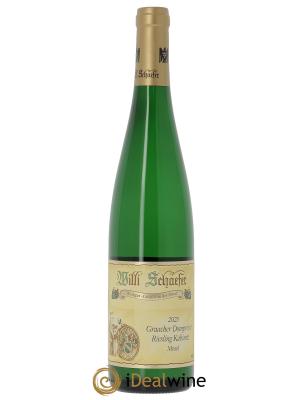
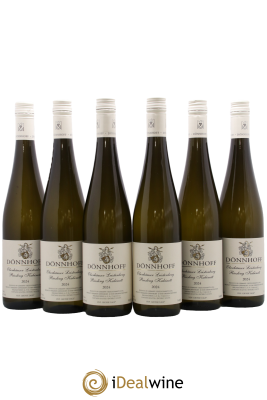
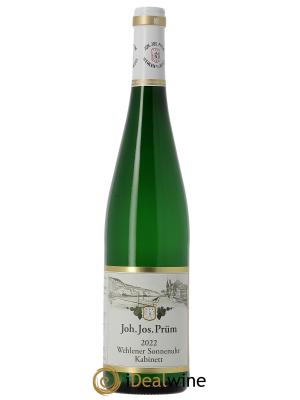
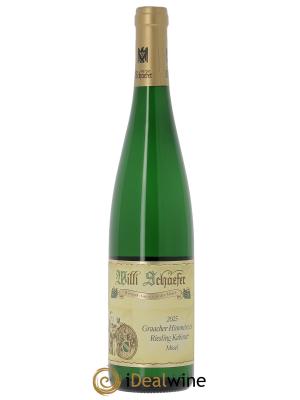
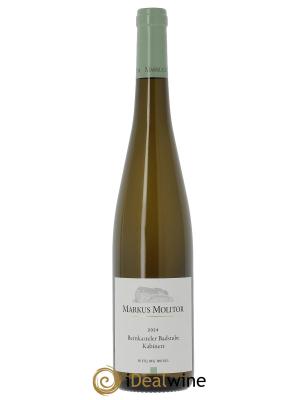
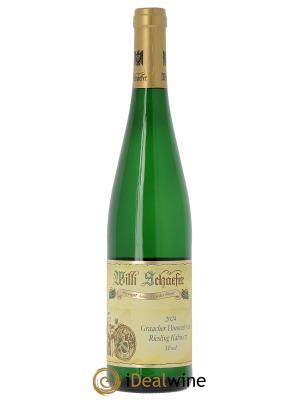
o Kabinett: For this category, the grapes are harvested relatively early in the season, resulting in wines with an alcohol content of 8-9% abv for sweet wines and up to 12% abv for dry wines. Kabinett are delicate, light and acidic, and most often enjoyed as an aperitif.
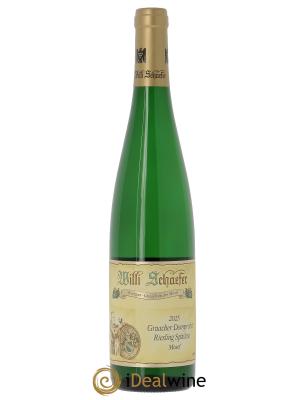
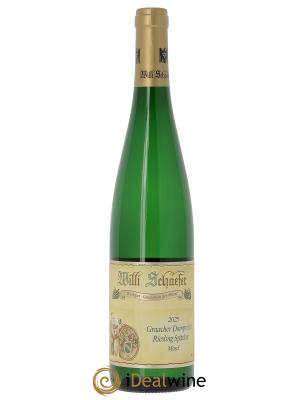
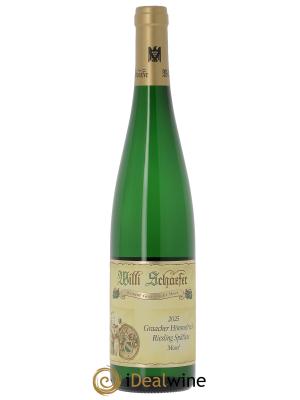
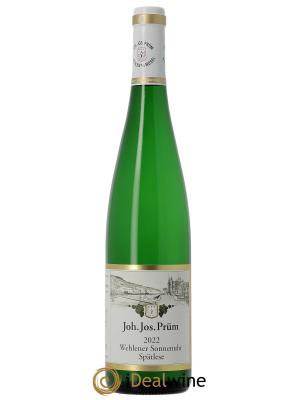
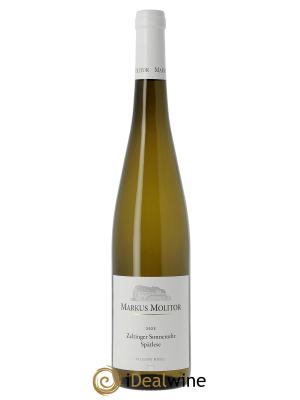
o Spätlese: This term literally means “late harvest”, so it couldn’t be clearer – compared to Kabinett wines, they are more concentrated, riper and, above all, more alcoholic.
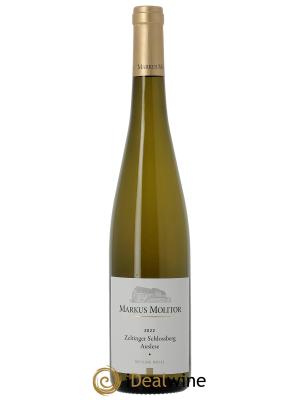
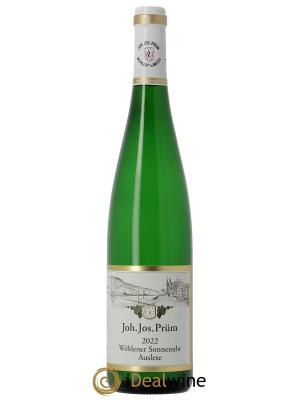
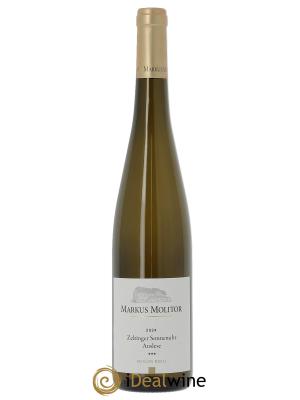
o Auslese: Here, the grapes used are extra-ripe and meticulously selected by hand. Auslese are rich, soft and ripe, and can be marked by botrytis, known in German as Goldkapsel. This is the highest possible Prädikat category for a dry wine.
o Beerenauslese: This term refers to sweet, complex and deliciously acidic wines that are often expensive and rare. The grapes are carefully selected and completely covered with noble rot at harvest.
o Eiswein: Here again, the name (meaning “ice wine”) says it all. The berries freeze on the vine before being harvested, often as late as January. By the time they are pressed, the berries are highly concentrated in sugar, resulting in very pure, concentrated, acidic wines.
o Trockenbeerenauslese: These are rare, sweet wines made from botrytised grapes. They have an alcohol content of over 8% abv, with very high levels of residual sugar and very high acidity.
Wines can also be labelled trocken, meaning dry, with up to 9 grams per litre of residual sugar, halbtrocken, meaning medium-dry, classic, referring to wines with alcohol of 12% abv, 15 grams per litre of residual sugar and made from a single grape variety, vintage and region, or selection, for a drier style with some sweetness and acidity (referred to as “harmoniously dry” and comparable to Auslese), with 9 to 12 grams per litre of residual sugar.
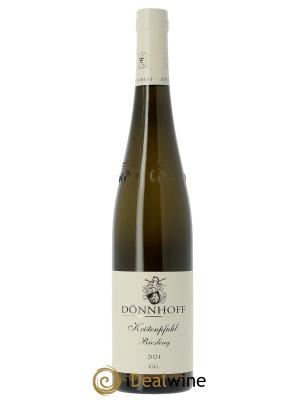
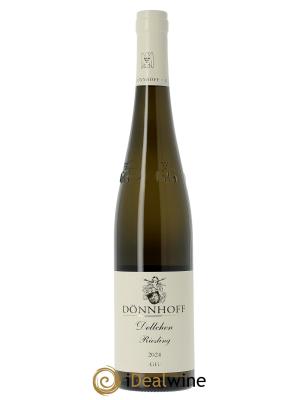
A final sign of quality is that the producer belongs to the Verband Deutscher Prädikatsweingüter, a prestigious association of the best German winegrowers, known as VDP. Under its own classification system, bottles produced from the finest German vineyards are marked VDP Erste Lage with a logo featuring a number 1 and a bunch of grapes, while top-class dry wines from these vineyards are marked VDP Grosses Gewächs. The VDP governs its members’ choice of grape varieties and winemaking techniques.
What are the main German grape varieties?
German vineyards are planted with over a hundred different grape varieties, most of them white (68.8% of the total). Some regions, such as Moselle and Saarland, are planted almost exclusively with white grape varieties. Others, such as Baden, have a real tradition and know-how when it comes to red wines. This distribution is mainly a question of climate, white grape varieties needing less sun than red ones. Here are some of the most famous and widespread grapes.
- It would be impossible to talk about German wines without mentioning the grape variety that reigns supreme here: Riesling. It accounts for no less than 40% of all German wine production, or more than 24,000 hectares of vines! Its presence in German vineyards goes way back – Ludwig II the German introduced it in 843, at which time it was known as Gentil. In twelve centuries, this grape variety has come a long way. Since it is susceptible to coulure, its name became Riesling, from the German rieseln meaning “to run”, and while Alsatian Riesling developed in Alsace, it adapted to Germany, ripening slowly and resisting frost well. And so German Riesling came to produce quality wines that are naturally acidic and marked by rich, fruity notes.
- Next after Riesling is its little brother, Müller-Thureau or Rivaner. In the 1880s, Professor Hermann Müller developed a cross between Riesling and Royal Madeleine, in the canton of Thurgau. There are now some 11,000 hectares of these vines planted in Germany, mainly in the region of Baden. Unlike its big brother, it matures early. It produces simpler, less acidic wines with floral and fruity notes.
- Grauburgunder or Pinot Gris is also a hugely popular grape variety in Germany. The first plants were brought back from Tokaj in 1565, in the suitcases of Baron Lazare de Schwendi. His idea was to produce wines similar to Hungary’s famous Tokaji, one of the most sought-after wines in Europe at the time. However, the variety was ill-suited to this style of wine, and instead produced fine, round wines with aromas of smoke, undergrowth, and gingerbread, honey and spices.
- Next comes Silvaner, another flagship grape variety, which has been emblematic of the region of Franken (Franconia) for 350 years. It produces light wines with controlled acidity and fruity or even undergrowth aromas.
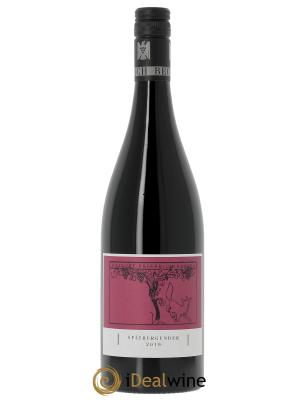
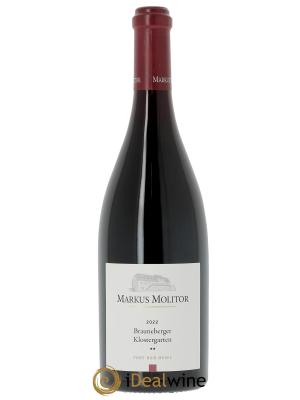
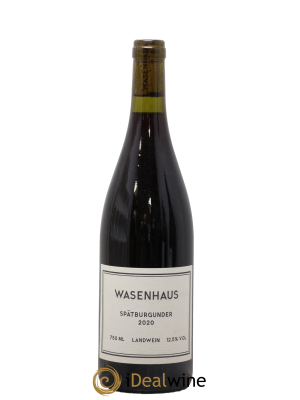
- Red varieties include Spätburgunder, a cousin of Burgundy’s famous Pinot Noir. Spätburgunder flourishes in the sunny regions of the south, in the Rhineland Palatinate and in Baden, covering almost 228 hectares. It takes its name from its early ripening nature. Indeed, harvest can begin in August, two weeks earlier than for Burgundy Pinot Noir. In the past, it was used to produce light, fruity wines, but now winelovers are increasingly interested in more robust interpretations of this grape variety, which is matured in oak barrels. Since the 2000s, there’s been a veritable revolution in these wines.
- Finally, there is also Dornfelder, a fairly recent grape variety, first appearing in 1955. It produces wines with an intense red colour. It is a robust variety with high yields and great potential.
Geography and climate of German vineyards
As we have already mentioned, the climate of the German vineyards is continental and cool, which has led white grape varieties to be chosen over red ones. Humidity and cool temperatures can also complicate matters for German winegrowers for whom ripeness is never a straightforward matter. However, they do have one advantage – these conditions are ideal for the development of noble rot. While the south of the country is relatively sunny, the rest of the country is wetter, particularly in winter. Autumn is drier, though, which is ideal for giving the grapes a final boost. It should also be added that weather conditions vary considerably from one year to the next, which has an impact on wine quality and vine yields.
Typically German winemaking techniques
What’s special about Germany is first and foremost the vines. There are two types of vineyards in Germany – those on hillsides, some of which are very steep, and those on plains. The best vineyards have chosen to plant their vines on the steepest slopes, even if the work is more exhausting. Tractors are out of the question here, and all the work is done by hand. Some estates even have to hoist equipment up into the vineyard. The vines in the rows are supported by a stake and rods. Everything is done to maximise sunlight and air flow over the berries and between the bunches. And it’s well worth the effort. The verticality of the slopes means that the grapes catch the light better and therefore reach a very good level of ripeness, which is crucial in Germany. Some winegrowers have found the difficulty of steep slopes too impossible to manage, so much so that the majority of vineyards are located on the plains. The work is easier there as the vines are generally trellised along wires, and tractors and other agricultural machinery can make their way between the vines.
In Germany, wine estates are also fond of late harvests and the style of wines they produce, such as Auslese which can be sweet. German winemakers have managed to strike a subtle balance between sweetness and acidity. To achieve this, the fermentation of these sweet wines is interrupted in order to retain a high level of residual sugar. Finally, Germany is also renowned for its Orangeweine or orange wine. It owes its colour to the fermentation method, which lasts several weeks to several months before pressing. The juice ferments in contact with the skins and pips, giving it a lovely amber colour. These wines are as complex as they are full-bodied, with vegetal, woody and even earthy notes.
What are the most famous winegrowing regions?
German has 13 winegrowing regions. Discover the main ones below.
- The Moselle Valley: This region extends quite logically along the Moselle river. It was the Romans who first settled here with their amphorae and vines. This makes it Germany’s oldest winegrowing region. Today, the estates are spread out in the heart of the valley, and the best vineyards have taken advantage of these steep, south-facing slopes, sitting on well-draining, slate soils that store and release heat. The wineries here produce light, low-alcohol Rieslings with aromas of flowers and green fruit.
- Nahe: More than 300 winegrowers have taken root in this vast region, situated between the Moselle valley and Hesse-Rhine. The vines thrive on soils of red clay slate, porphyry, quartz or sandstone. The wines here are fuller-bodied and riper.
- Rheingau: This third region lies on the banks of the Main and Rhine rivers, protected by the Taunus hills. These conditions are ideal for ripening the grapes and producing dry, full-bodied wines with notes of ripe peaches. It is these concentrated, complex nectars for which the region is most famous.
- Heusse-Rhénane: Situated in the south-west of the country, this is one of the largest regions. It grows both white and red grape varieties, the latter accounting for over 30% of the vineyards, with varieties like Dornfelder, Portugiesser and Spätburgunder.
- Rhineland Palatinate: This region in the south-west of the country, on the French border, is covered with no less than 5,000 hectares of vines. Like its Alsatian neighbour, it’s a paradise for Riesling. Grauburgunder and Weissburgunder have also developed well here, and for some years now, have been producing great, concentrated wines that can be laid down. A few red varieties, such as Dornfelder, have also managed to gain a share of the vineyards.
- The Land of Baden: Baden is the land of the Black Forest, and of full-bodied, high-alcohol wines. And with good reason, as this region is bathed in sunshine. Red grape varieties, especially Spätburgunder, are the stars here, producing deeply coloured wines that are aged in oak.
What are the best German wines?
Given all these regions, different styles and above all this system of appellations, we’ve listed some of Germany’s most highly acclaimed and coveted vineyards for you.
Let’s start with Egon Müller, Germany’s most famous producer, whose wines are at the top of their class. The estate produces some very fine Prädikatswein, including Kabinett, Spätlese, Auslese, Beerenauslese and Trockenbeerenauslese, and Eiswein, which are both exquisite and light. However, Egon Müller’s signature wines are the sweet wines, produced since 1959 and an absolute must-try.
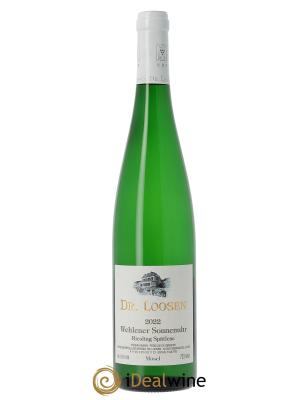
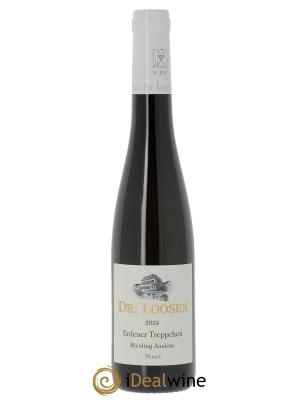
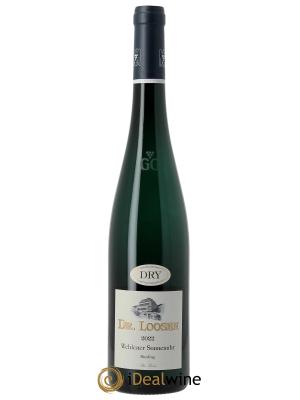
Our next stop is the estate of Dr Loosen, which produces Rieslings that are literally blessed by the heavens and ranked among the best in the country by the Revue du Vin de France. In Ernst Loosen’s fragrant, precise nectars, it’s impossible not to find all the richness of the Moselle terroir.
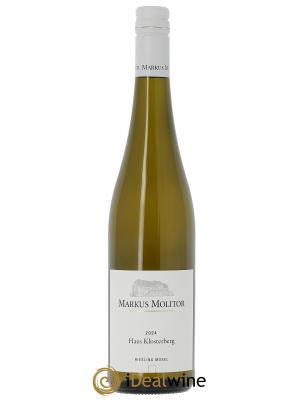
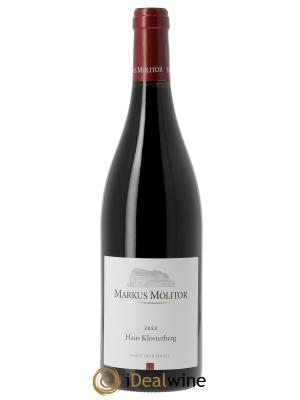
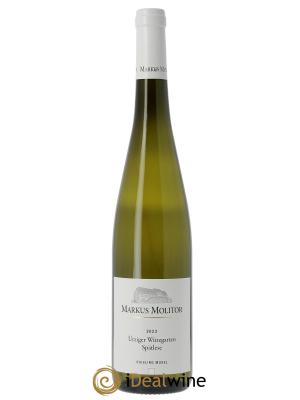
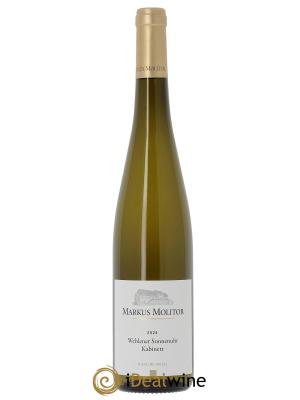
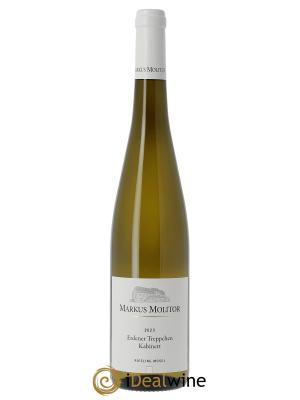
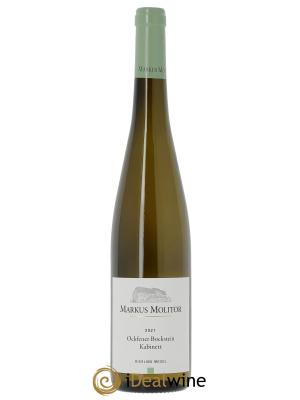
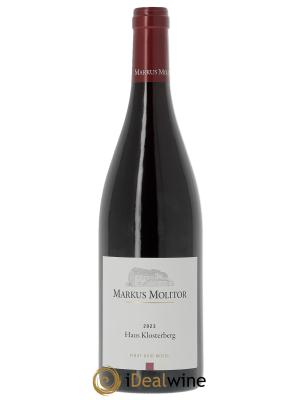
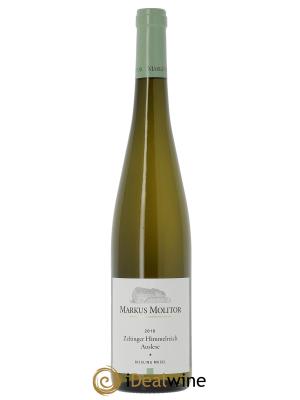
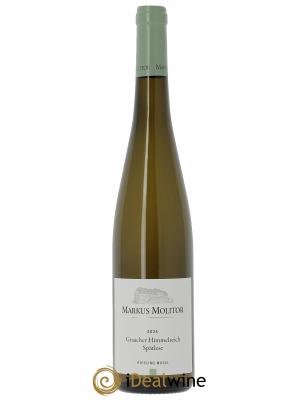
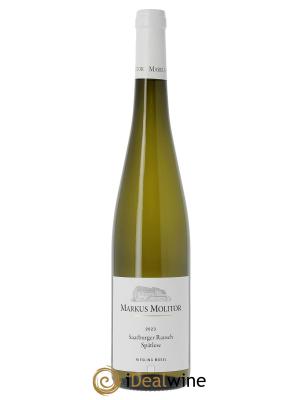
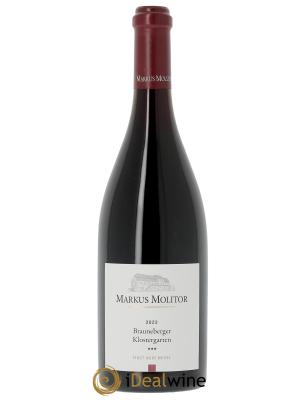
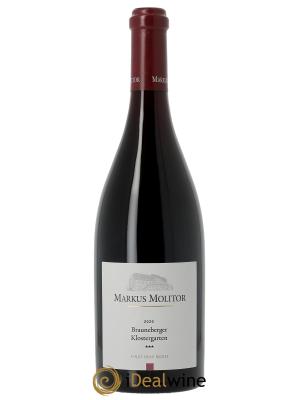
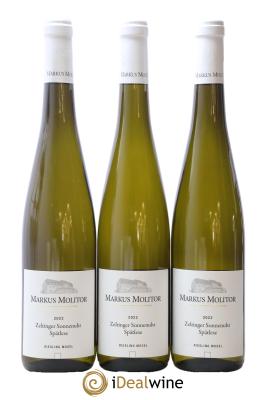
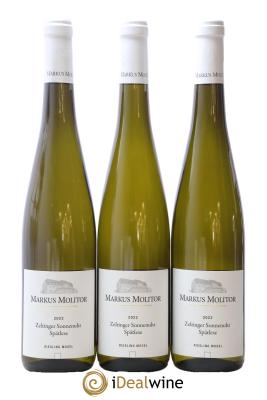
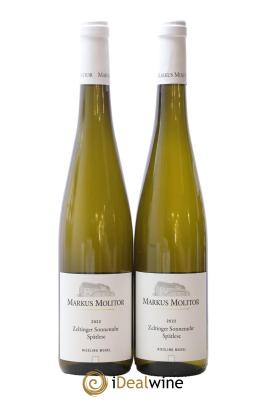
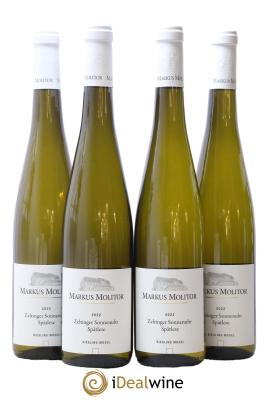
Also in Moselle, Markus Molitor, a passionate and visionary winemaker of the highest level of craftsmanship, produces complex, harmonious wines that are a true reflection of their terroir.
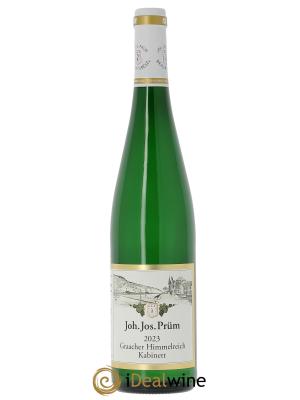
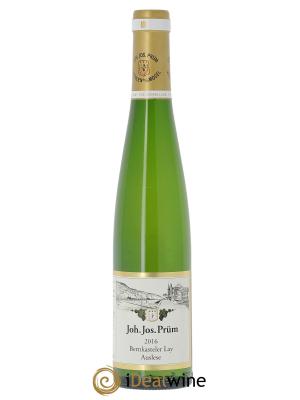
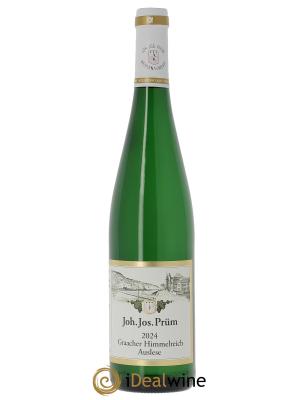
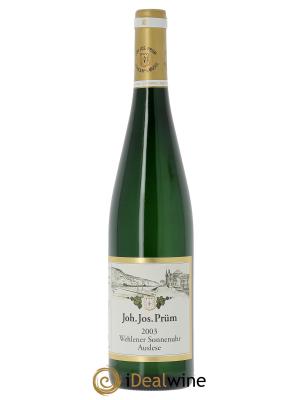
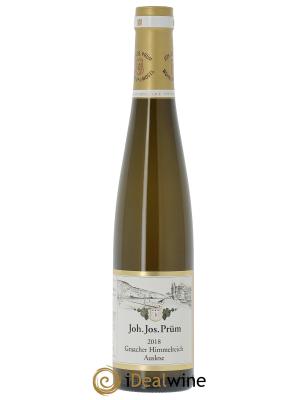
We spoke earlier about VDP wines, those made by Germany’s finest winegrowers, belonging to the prestigious erband Deutscher Prädikatsweingütergroup. Well, one of these is Joh. Jos. Prüm. This winegrower produces some absolutely magical Rieslings, whether dry, sweet or lusciously sweet.
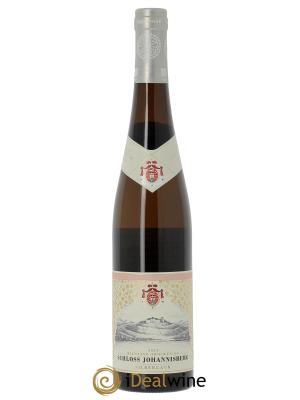
Let’s leave the Moselle, now, for the Rheingau and the Schloss Johannisberg estate, which has been producing wine for 1200 years! As well as the gems it produces, its cellar is a treasure in its own right – nearly 25,000 bottles have been kept there for almost three centuries!
The best German wines at pleasing prices:
Among the most affordable German wines, we recommend the first vintages of Dr Loosen or those of Markus Molitor.