


Portugal
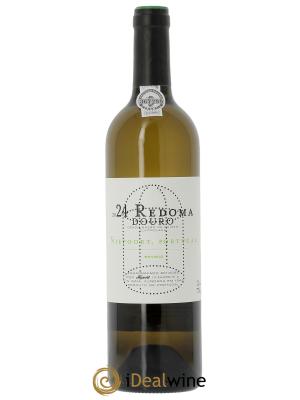
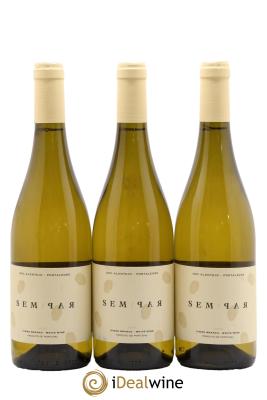
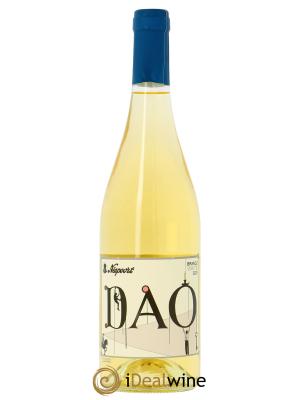
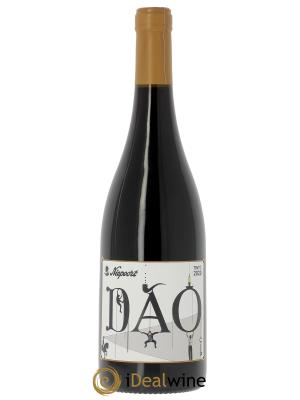
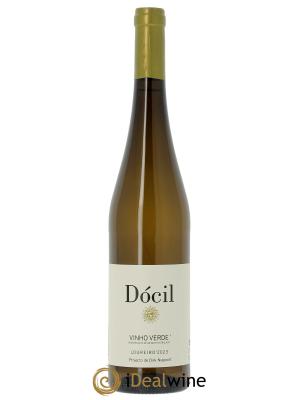
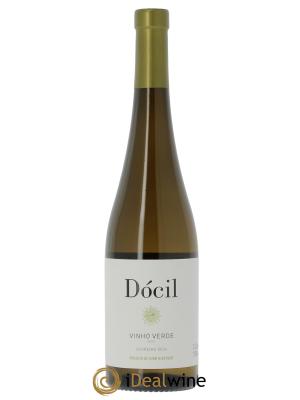
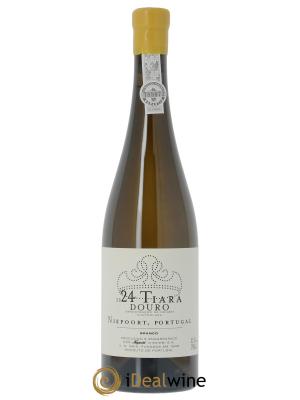
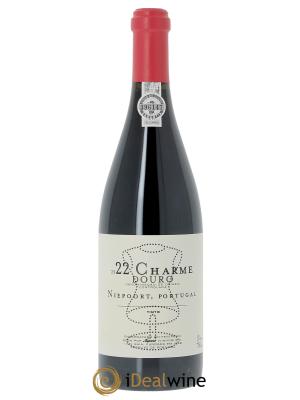
Despite Portugal’s small size, it was the world’s 11th largest wine producer in 2020, according to the OIV. It has a wide range of climates. The influence of the Atlantic Ocean results in an oceanic climate on the coast, while the more inland vineyards enjoy a continental climate (i.e. hot and dry). The altitude of certain regions also brings diversity and its share of microclimates. Portugal is home to many native grape varieties. In the Vinho Verde region, renowned for its fresh, low-alcohol white wines (8-11.5%), the main grapes used are Loureiro, Arinto and Alvarinho. Production in the Douro Valley is dominated by Port, but excellent white and red wines are also produced. The Touriga Nacional red grape variety has pride of place here. In the mountainous Dão region, vineyards lying at an altitude of 200-400 metres are planted with Tinta Roriz, Jaen and Alfrocheiro. The Barraida region, not far from the sea, is planted extensively with the red Baga grape variety. In the south-east of the country, the vast Alentejo encompasses eight sub-regions and produces a wide variety of wines. Finally, although Portugal is famous for Port, it also produces Madeira, another noble fortified wine, produced in the islands of the same name.
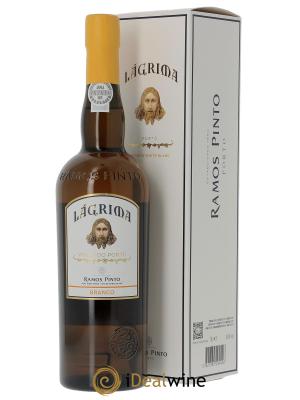
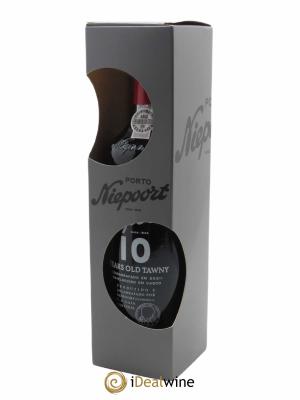
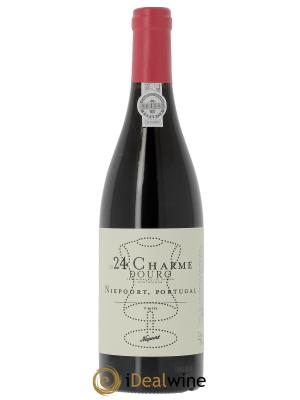
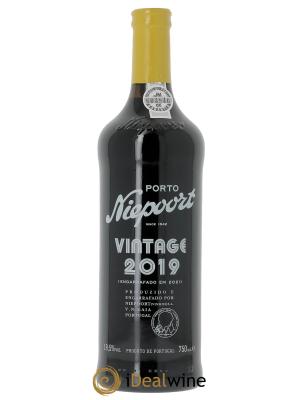
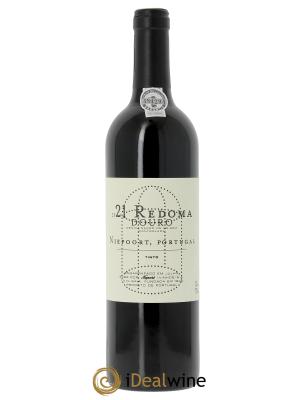
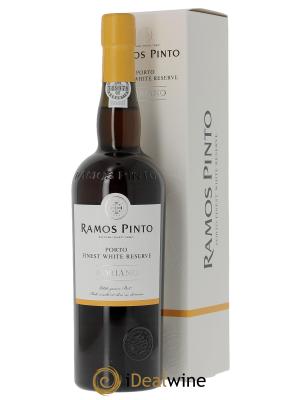
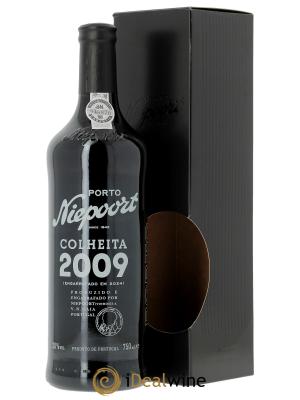
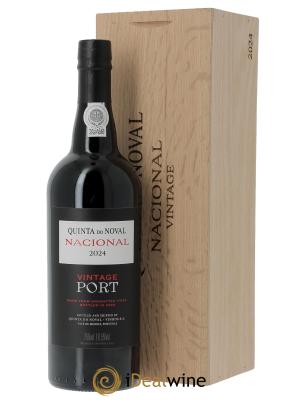
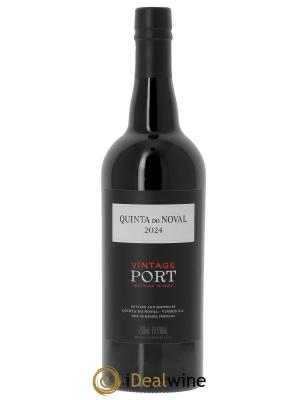
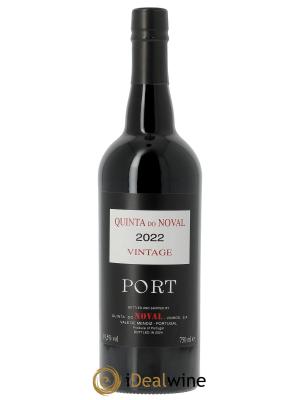
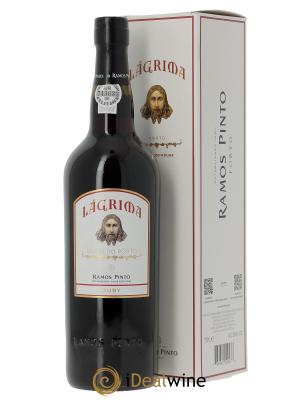
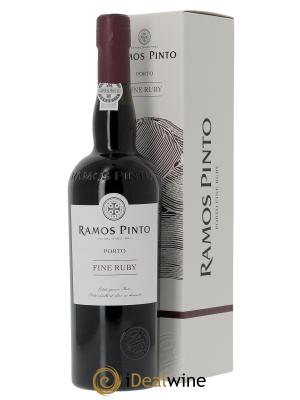
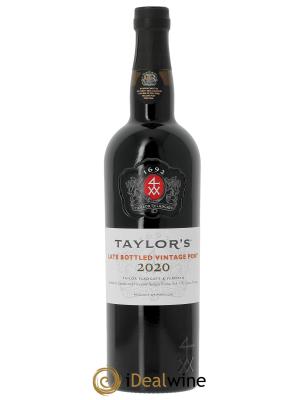
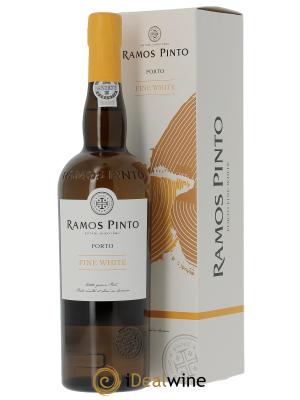
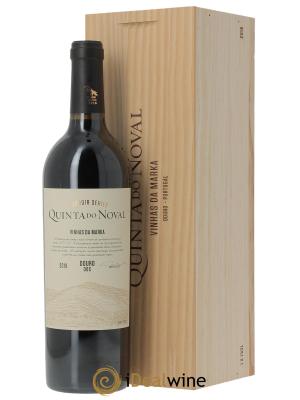
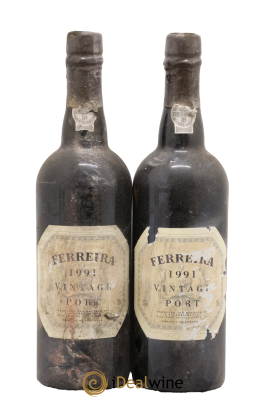
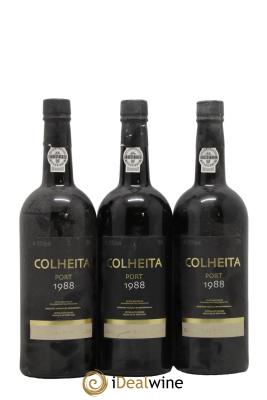
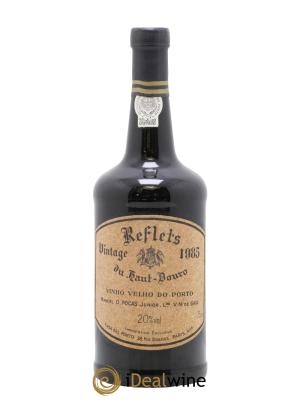
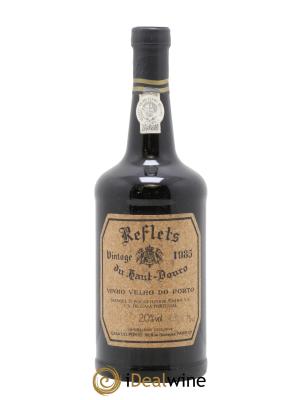
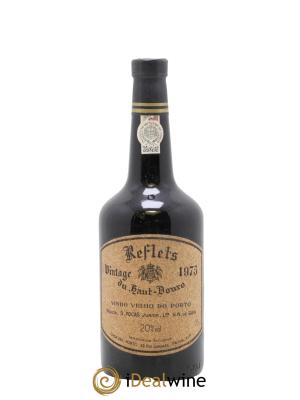
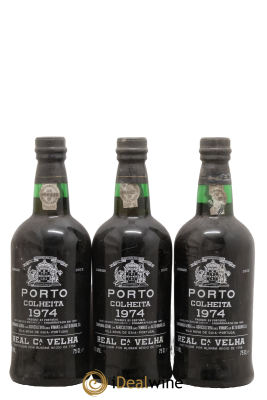
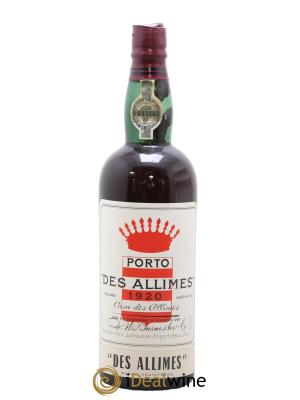
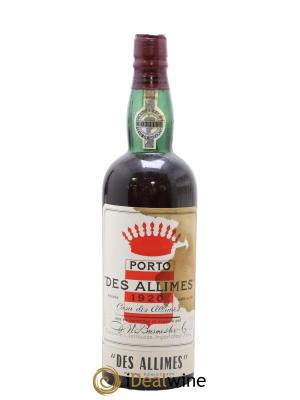
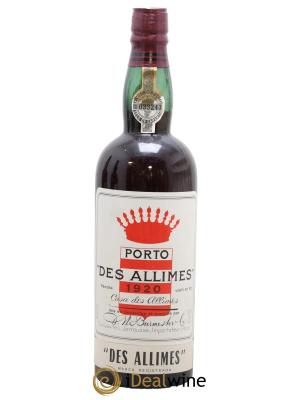
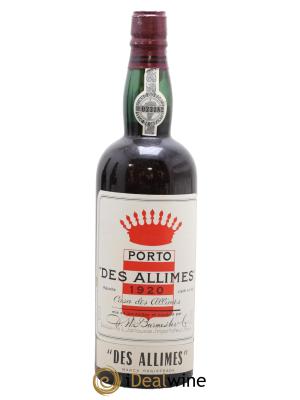
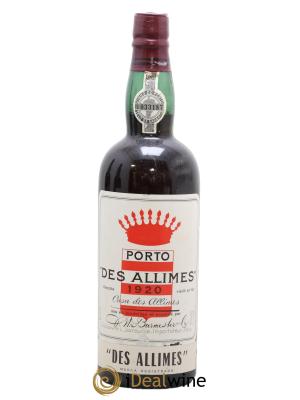
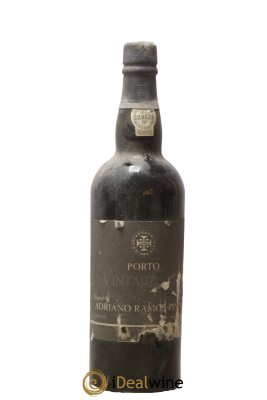
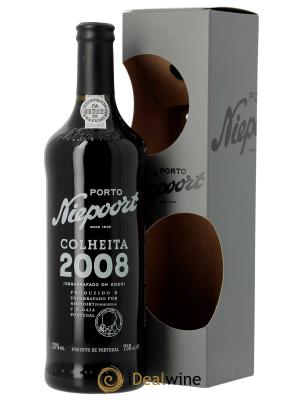
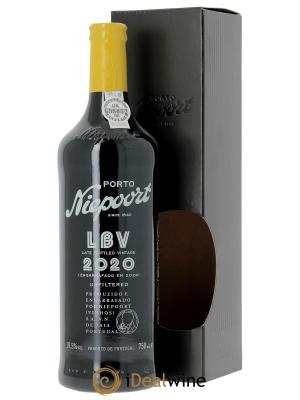
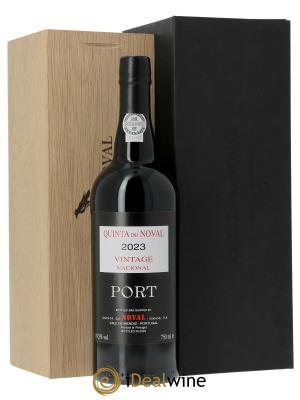
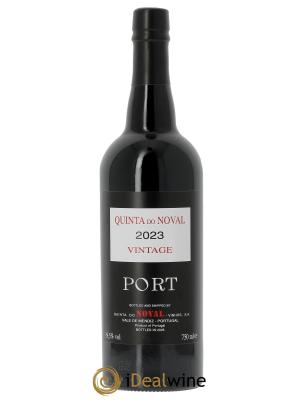
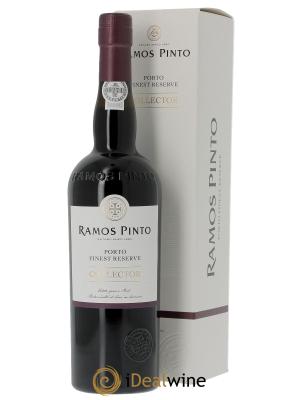
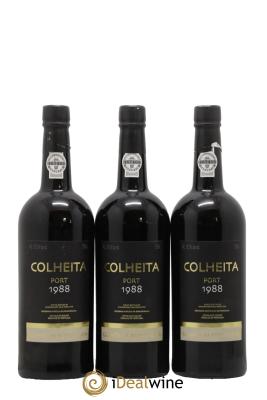
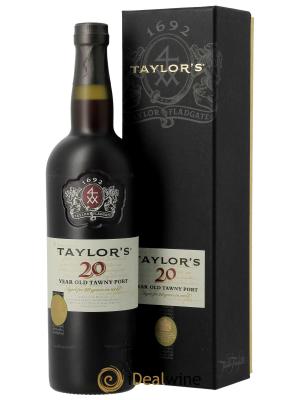
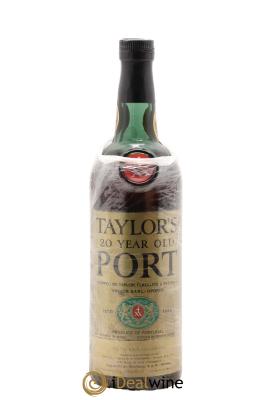
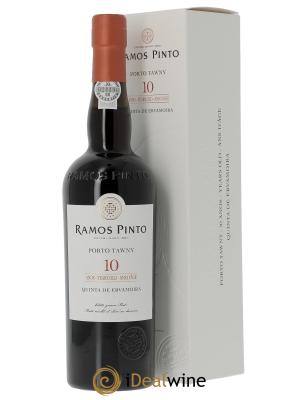
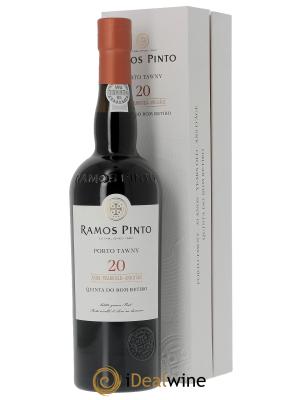
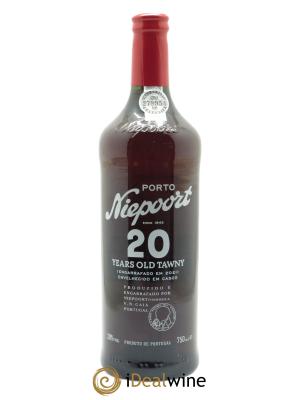
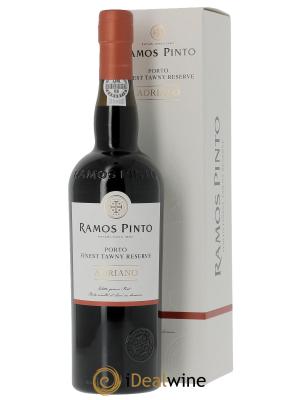
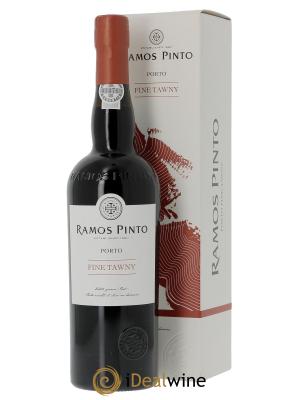
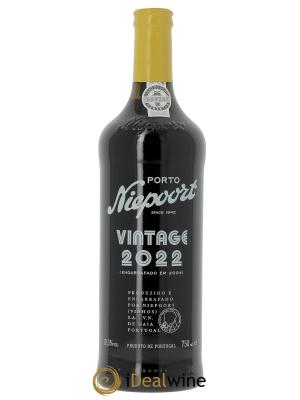
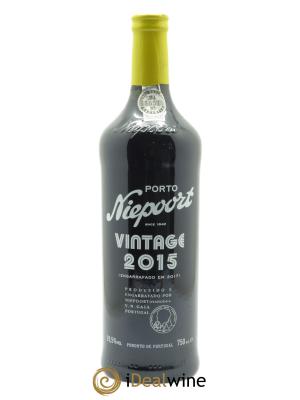
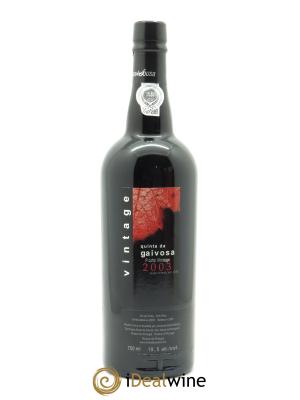
Port, as mentioned above, is produced in the Douro Valley, which is divided into three sub-regions: Baixo Corgo, Cima Corgo and the Alto Douro. This sweet, fortified wine – alcoholic fermentation is interrupted by the addition of the neutral spirit aguardente – can be white or red with alcohol of 19-22%. Ageing varies, giving very different styles, which can be oxidative or not. There are ruby, tawny, reserva, vintage and late-bottled vintage (LBV) Ports. Some of the region’s leading producers are Quinta do Noval, Niepoort, Taylor’s, Ramos Pinto and Quinta do Gaivosa.