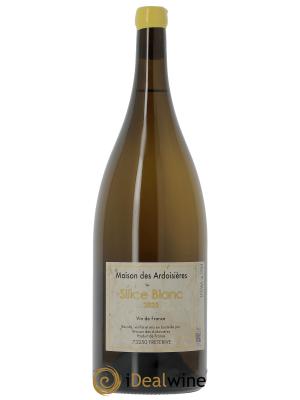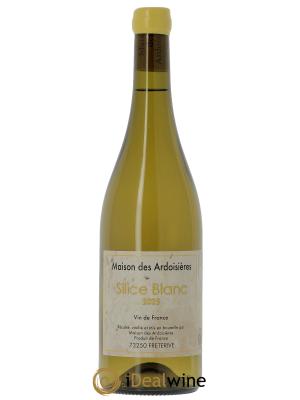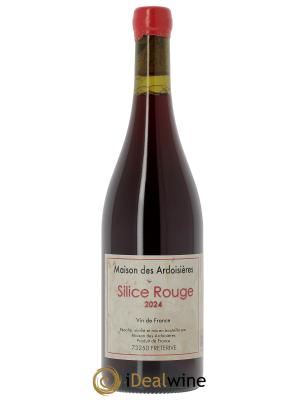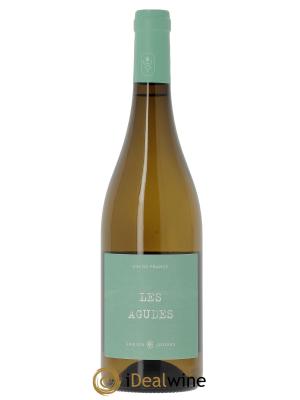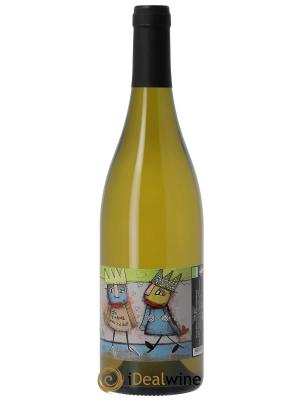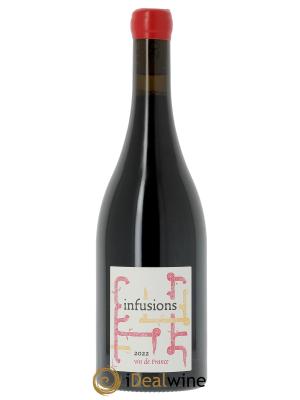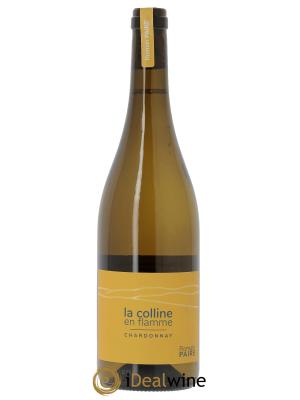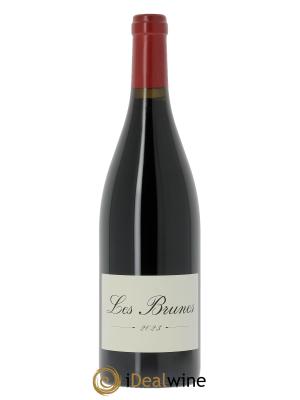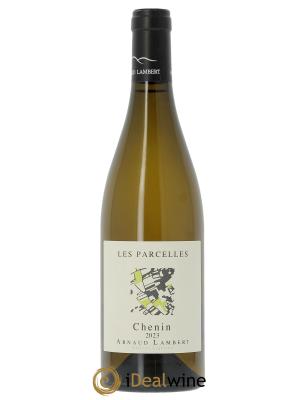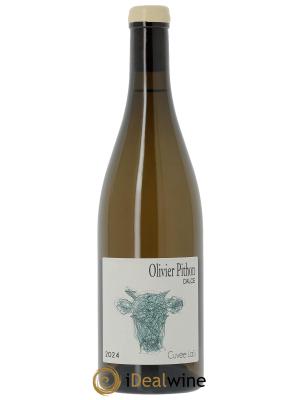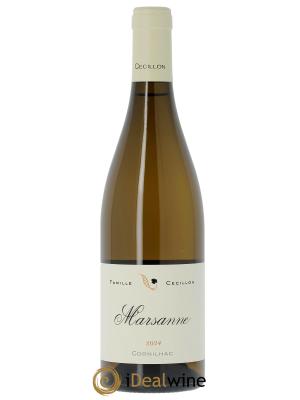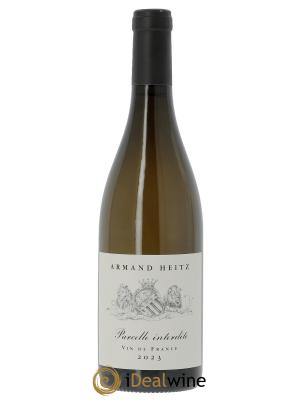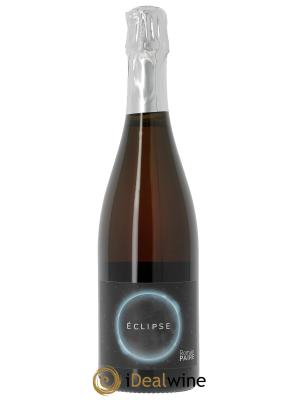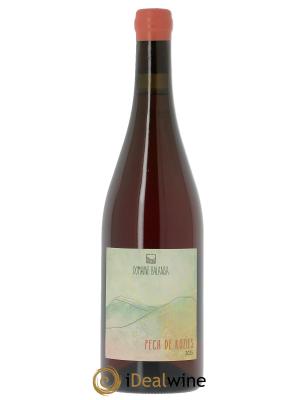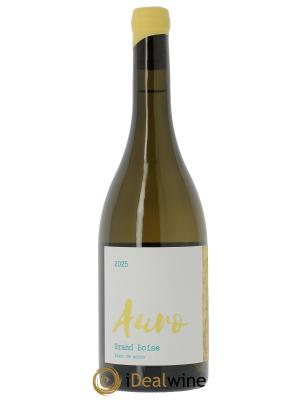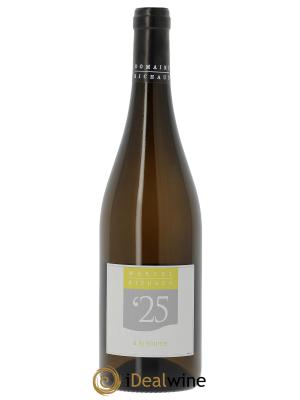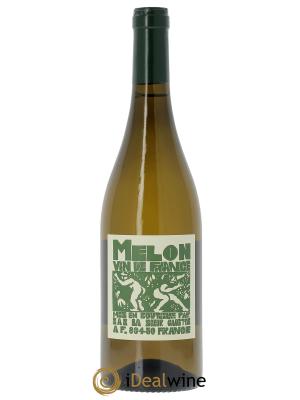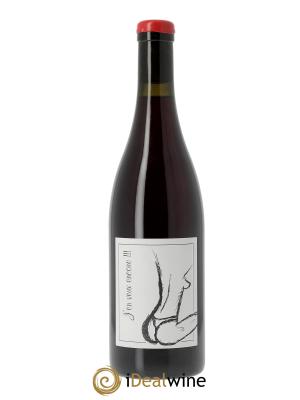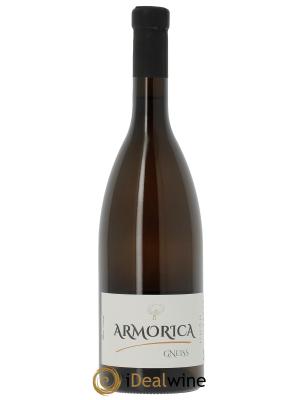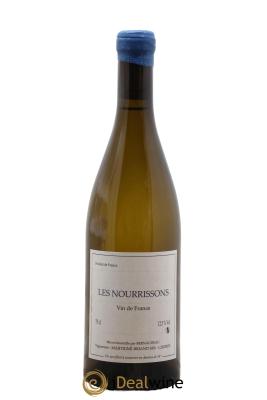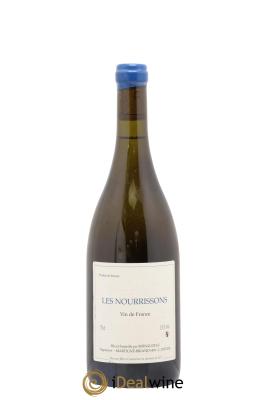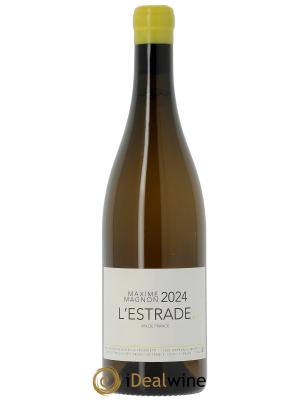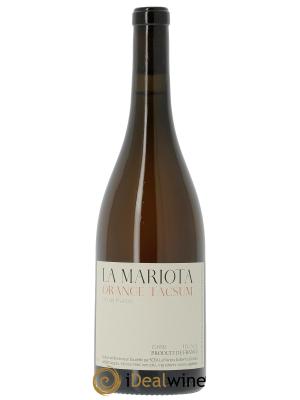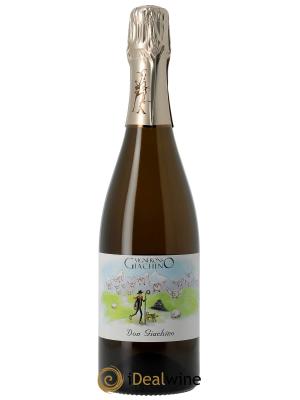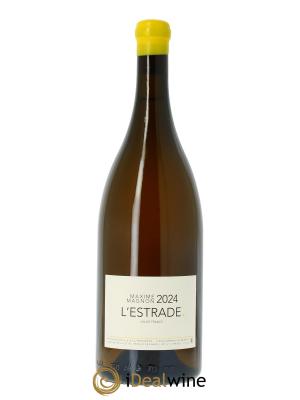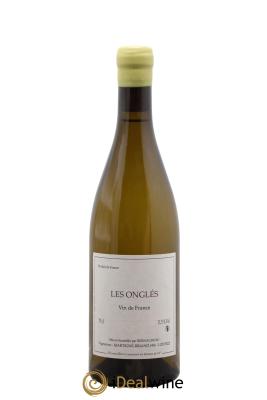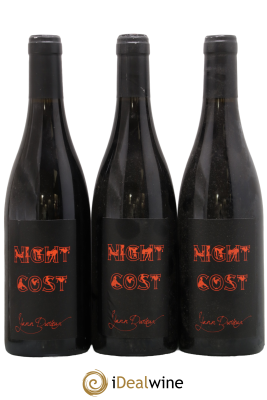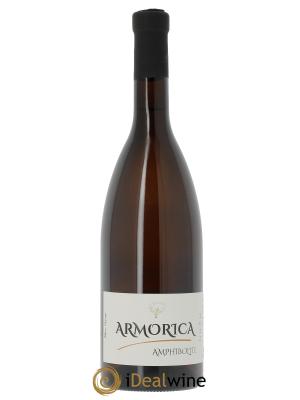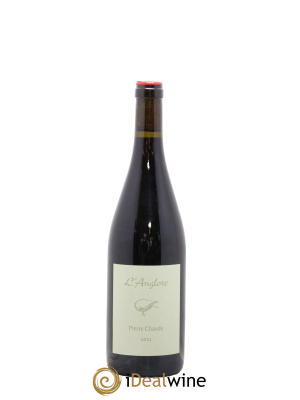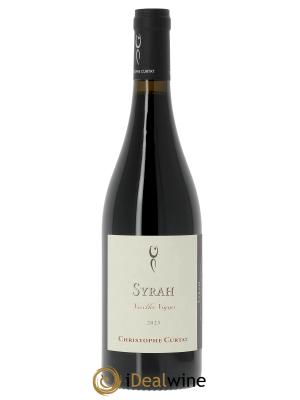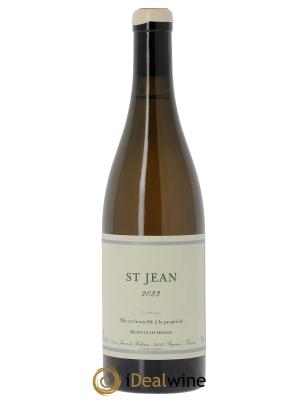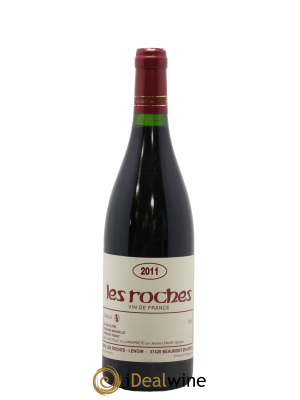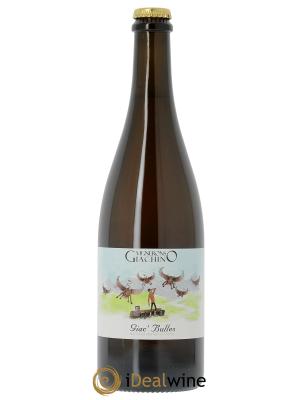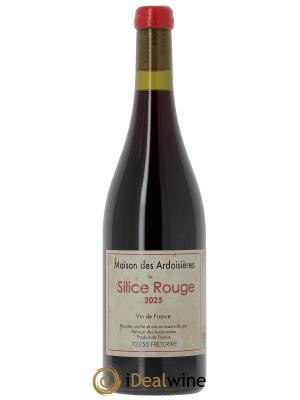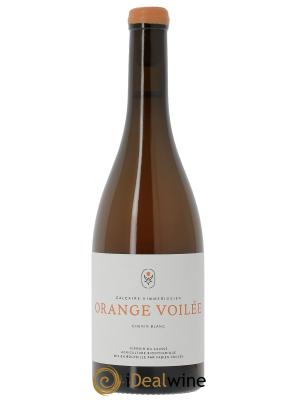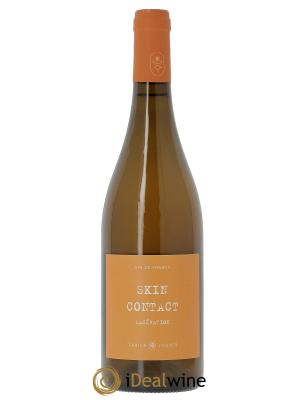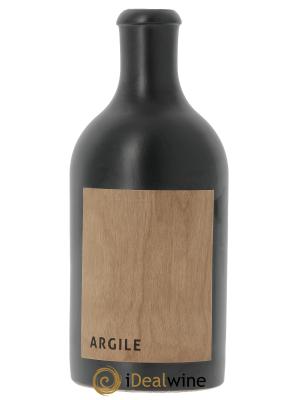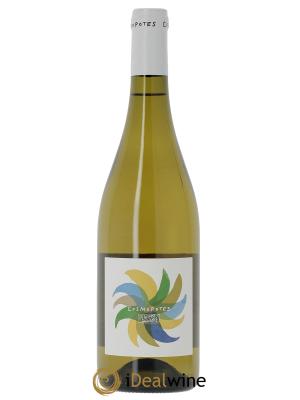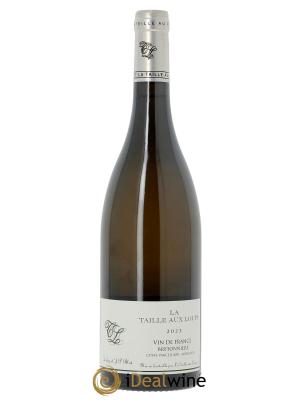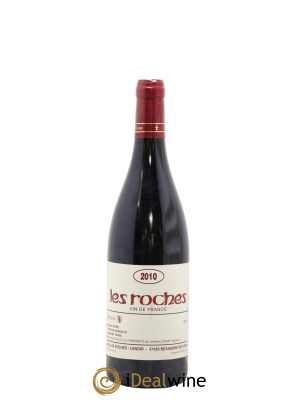



Vin de France
Vin de France, formerly known as Vin de Table until 2009, represent the "entry level" tier of the French wine classification system. Legally speaking, the grapes must be grown in France, but unlike AOP or even IGP wines, the regulations here are far less restrictive. This freedom means that a Vin de France can be made from a blend of grapes sourced across different French regions, or even across multiple vintages.
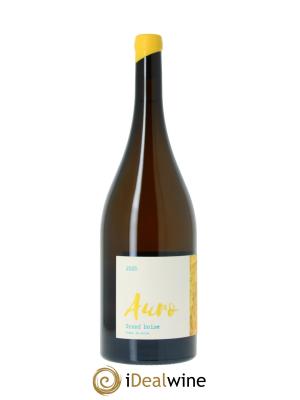
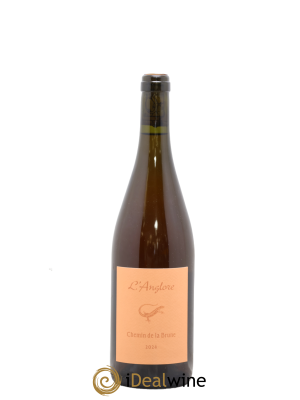
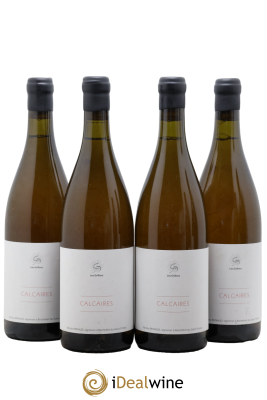
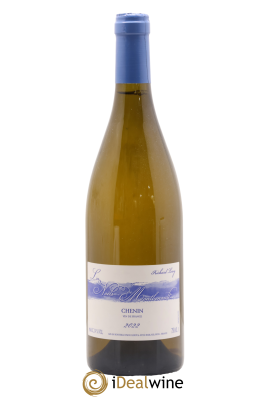
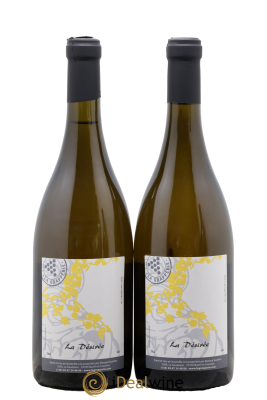
In recent years, this category has undergone a remarkable transformation with many renowned winemakers deliberately choosing to step outside the French appellation system, embracing the Vin de France label to gain greater liberty, whether driven by a rejection of administrative constraints, a desire to experiment, or the desire to craft wines that stand apart from their appellation peers at tastings… As a result, some of today’s most distinctive and sought-after bottles now bear the Vin de France label. This is particularly true among winemakers of the natural wine movement, or more broadly, those producing “original” wines with unusual grape varieties, distinctive blends, or innovative methods. Today, certain Vins de France are highly sought-after, selling for several hundred euros, and sometimes even breaking the €1,000 mark. Among the most coveted names are Domaine des Miroirs in Jura, Stéphane Bernaudeau and Richard Leroy in the Loire Valley, Maison Glandien (a Burgundy and Jura négociant), and Bénetière in the Rhône Valley.