
Haut-Médoc
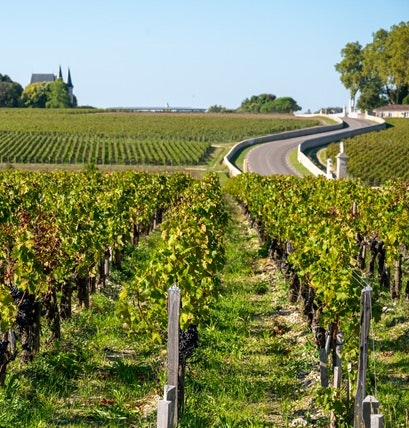
To understand the Haut-Médoc appellation, you first need to know where it is! Paradoxically, it is not located in the north of the Médoc peninsula as one might expect, but in the south. It owes its name to its position in relation to the Gironde estuary. This appellation therefore stretches from north of Bordeaux to south of Saint-Seurin-de-Cardoune, covering a 60-kilometre strip. The vines benefit from the influence of the river, which helps to prevent both late frosts and excessive summer heat. The river has also played a role in the composition of the soils here, which are made up of well-draining Garonne gravel (graves), covered in places with sand, clay and limestone.
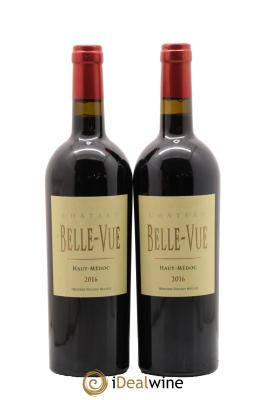
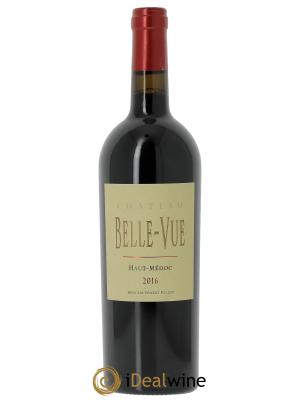
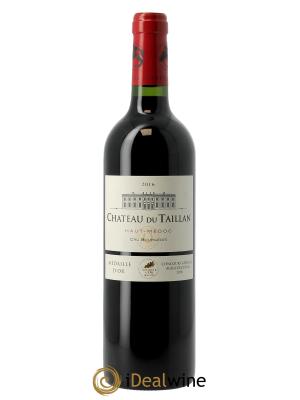
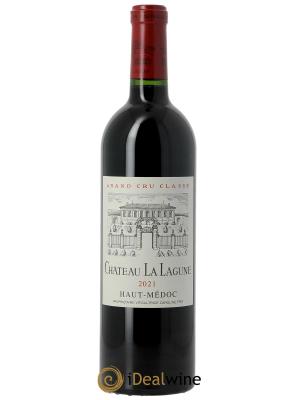
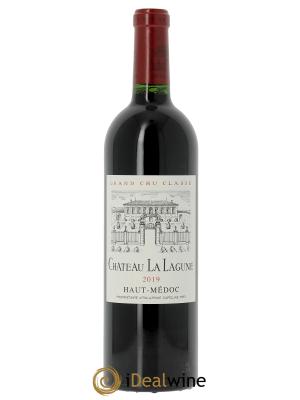
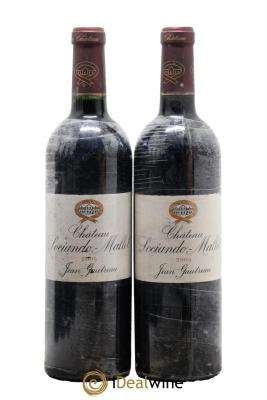
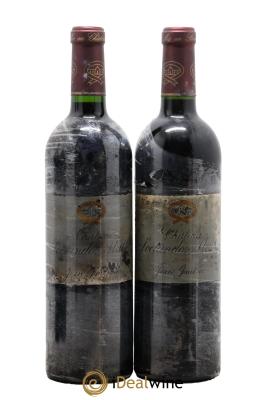
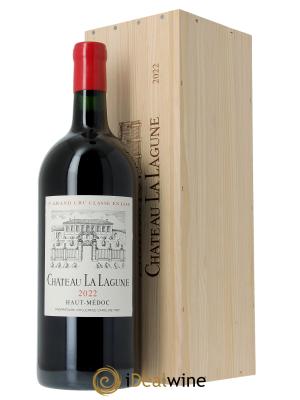
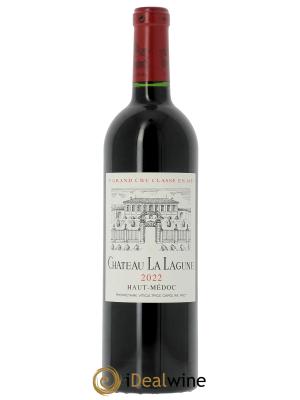
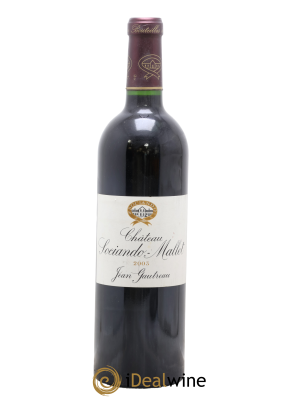
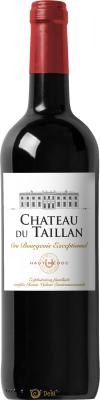
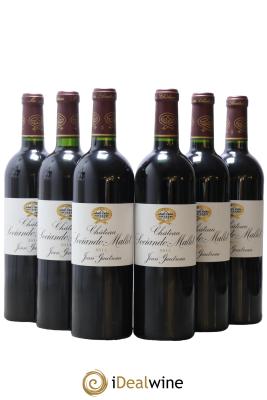
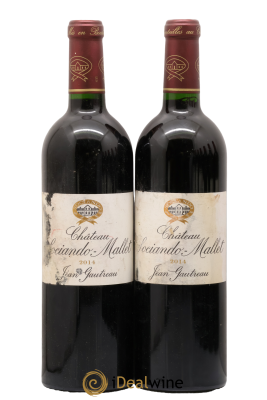
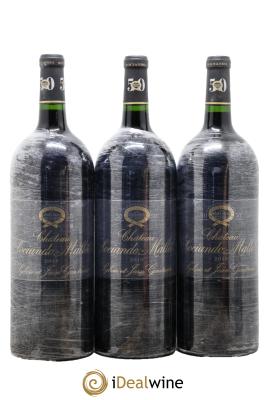
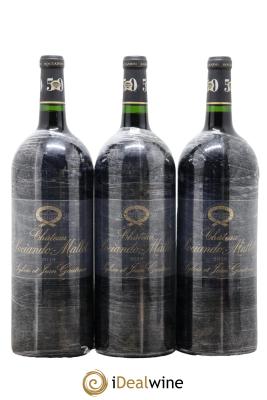
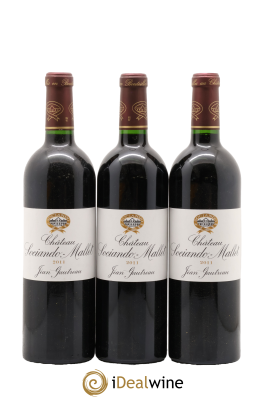
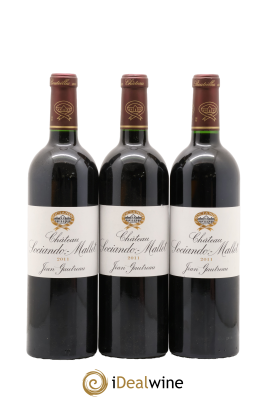
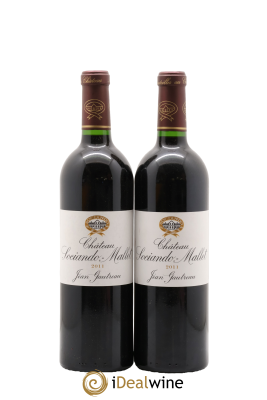
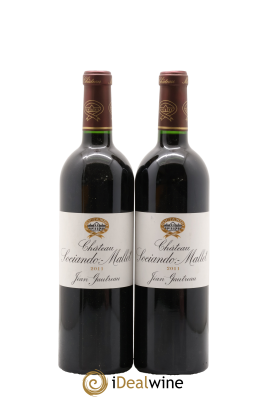
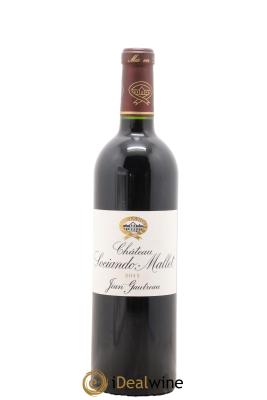
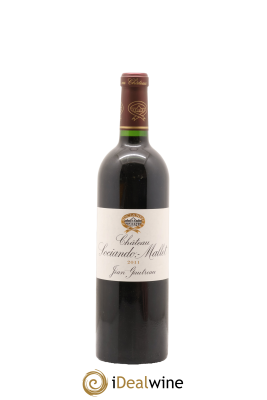
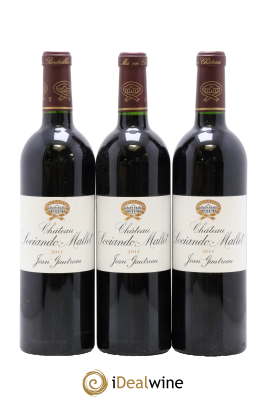
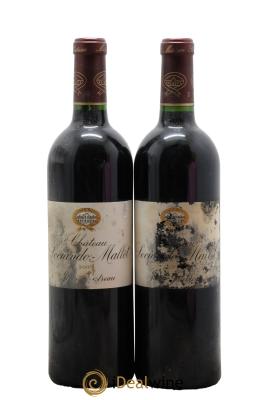
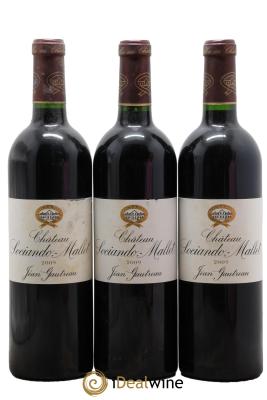
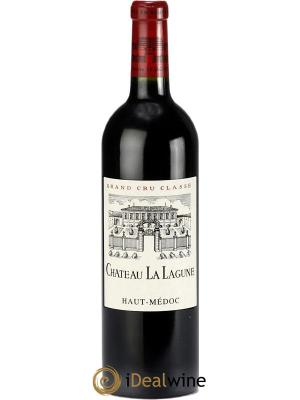
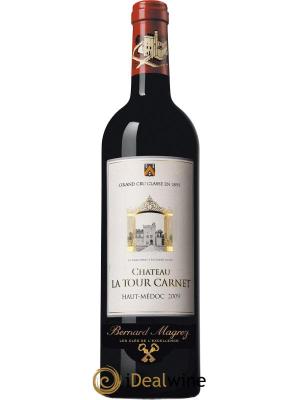
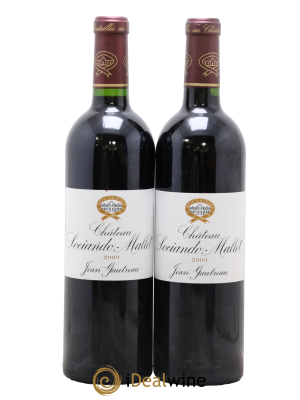
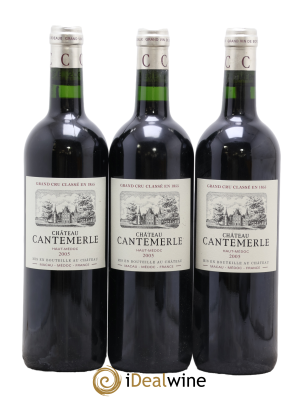
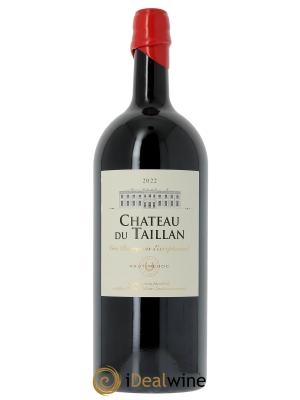
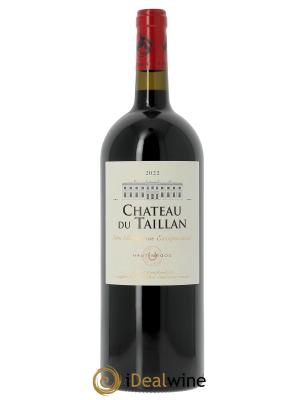
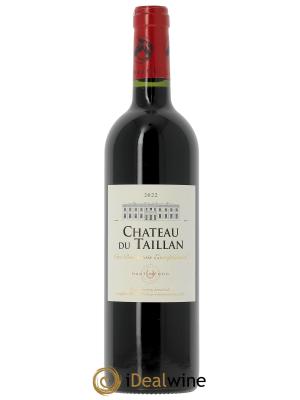
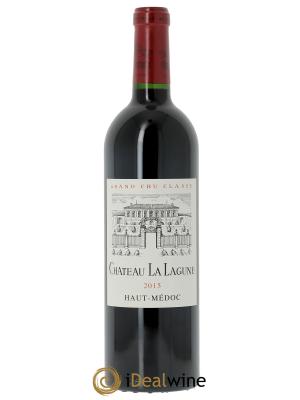
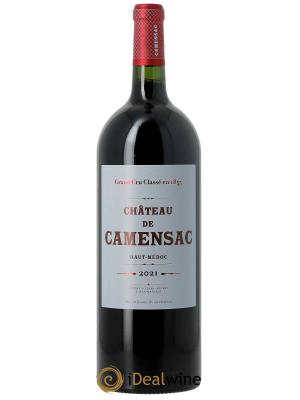
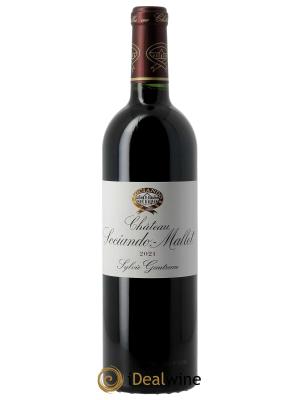
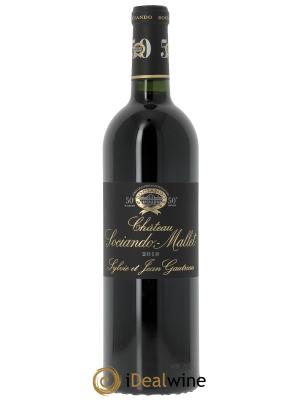
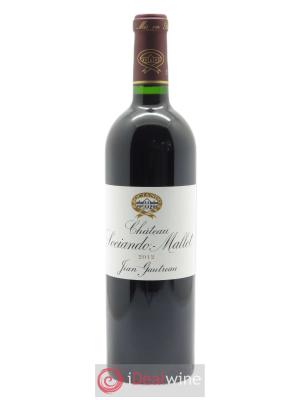
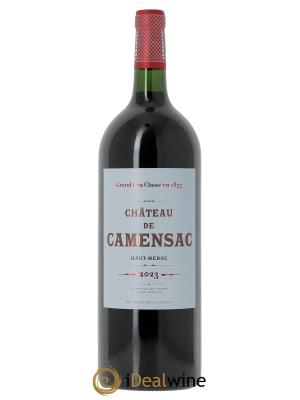
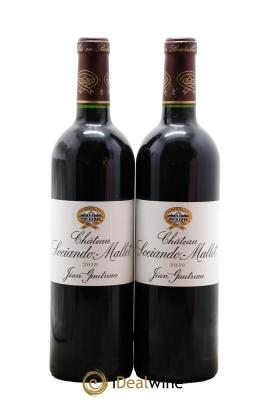
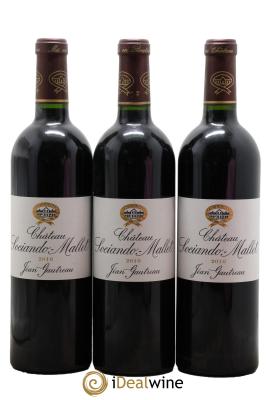
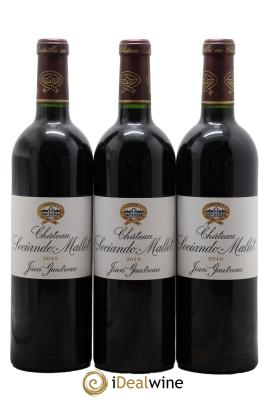
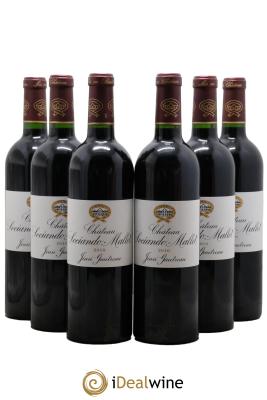
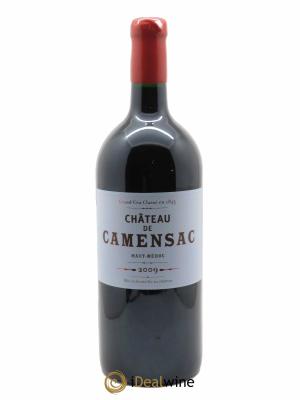
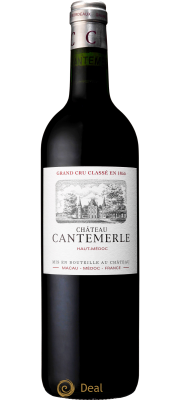
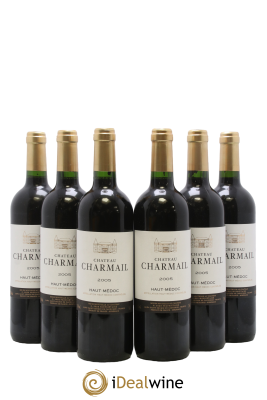
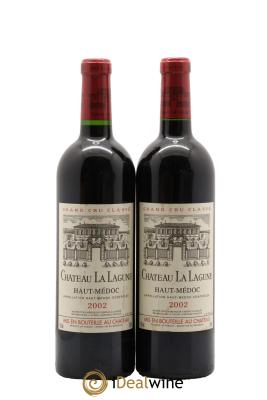
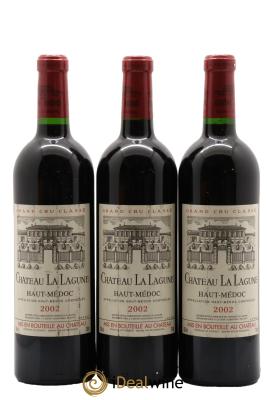
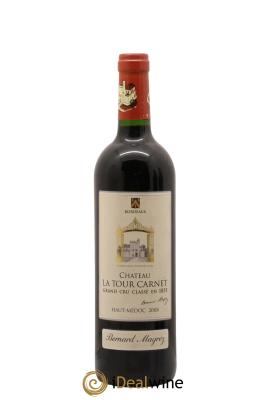
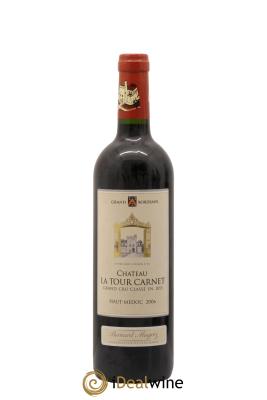
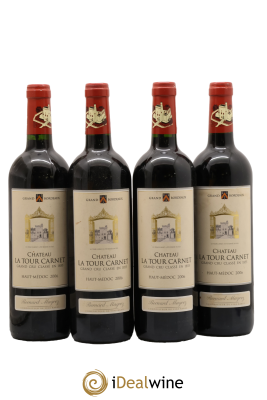
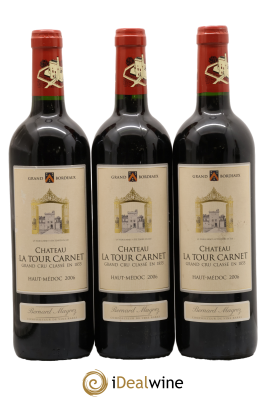
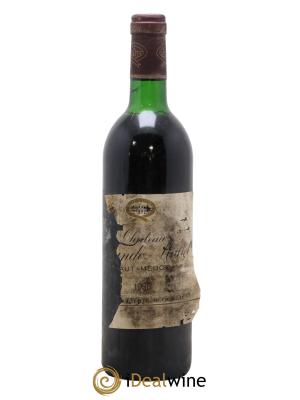
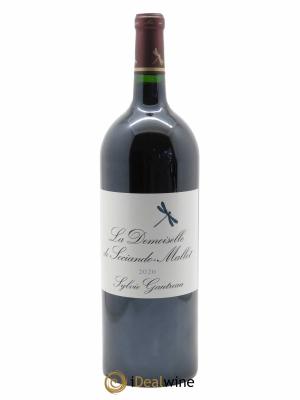
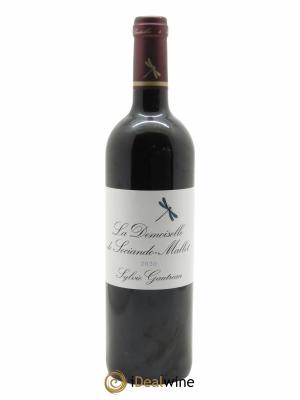
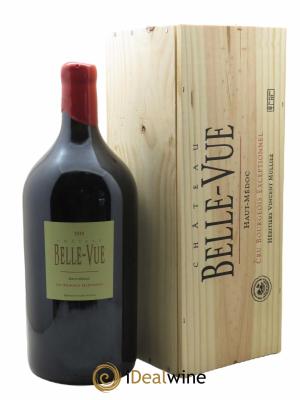
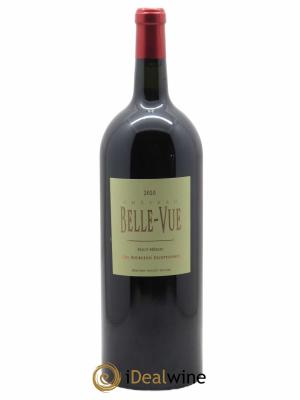
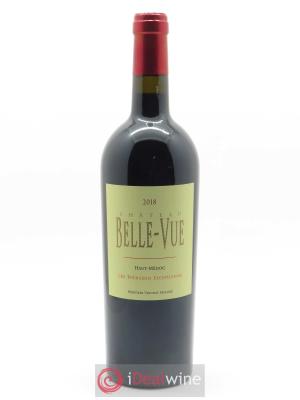
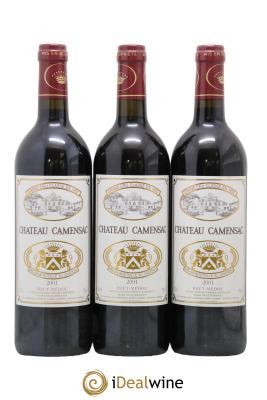
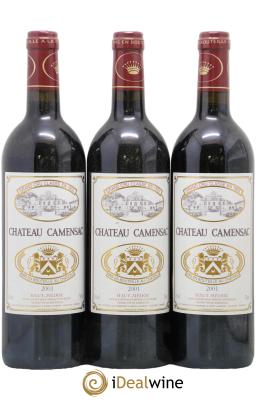
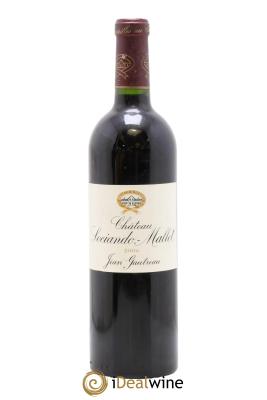
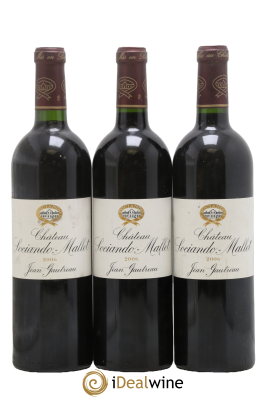
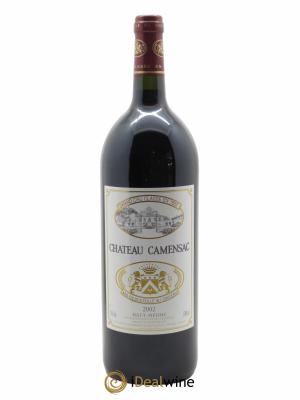
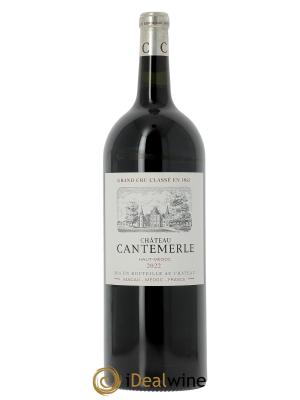
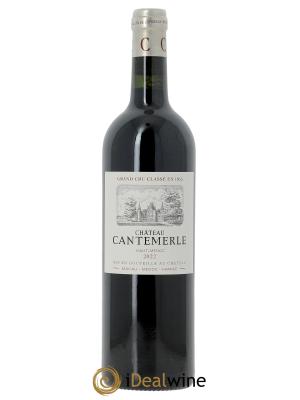
Winegrowers settled here several centuries ago, long before the 1855 classification or the recognition of this appellation in 1936. The Haut-Médoc’s wines have been well-known since the 18th century, thanks in particular to the proximity of this winegrowing area to Bordeaux. They are reputed for being lively, brilliant, balanced and generous red wines – red being the only colour allowed for this AOC. The Haut-Médoc gives pride of place to Cabernet Sauvignon, Cabernet Franc, Merlot, Carménère, Malbec and Petit Verdot, producing great wines for laying down. So you’ll need some patience if you want to enjoy them. Today, the appellation is home to nearly 300 estates, producing an average of more than 210,000 hectolitres of wine per year, and five cru classés – Château La Lagune, Château Cantemerle, Château Belgrave, Château de Camensac and Château La Tour Carnet. The Haut-Médoc also brings us the delicious nectars of Château Taillan, Château Sociando Mallet, Château Gironville and Châteaux Belle-Vue.