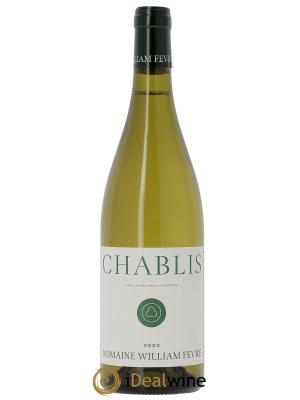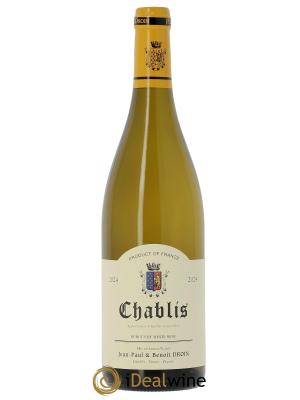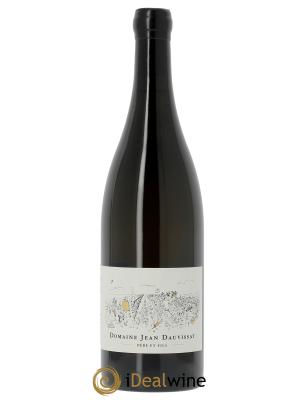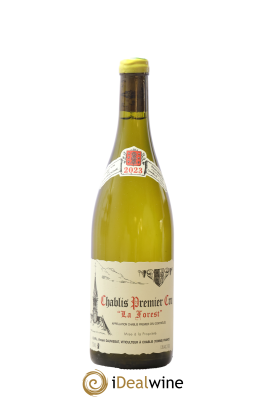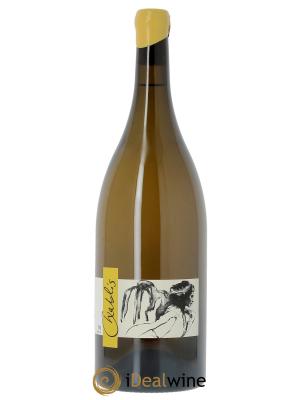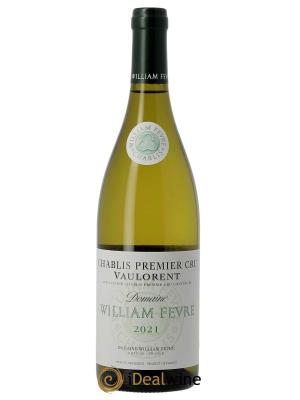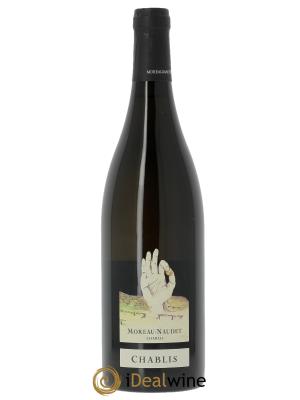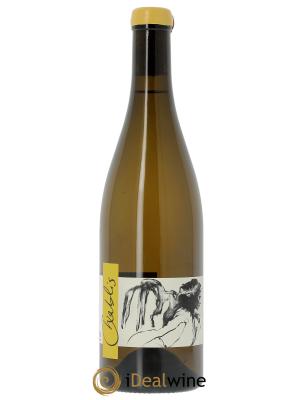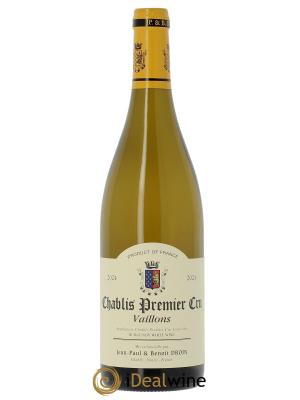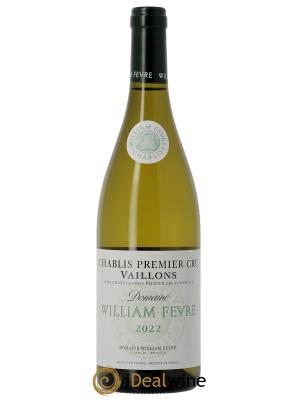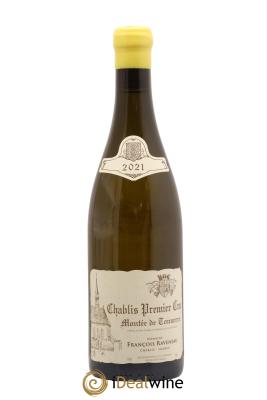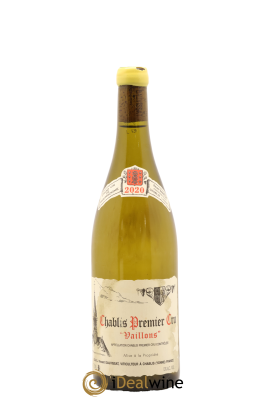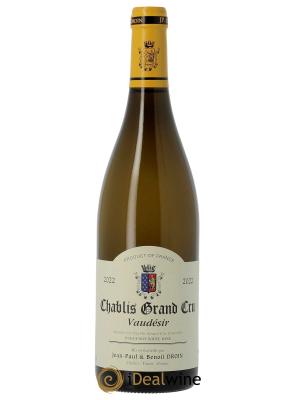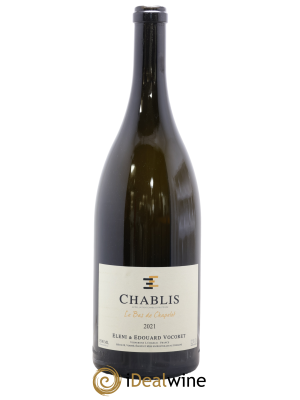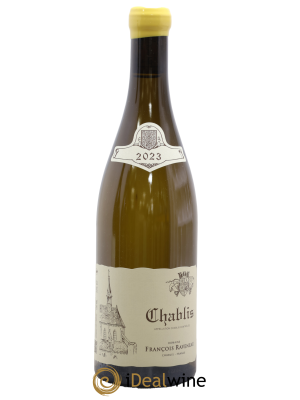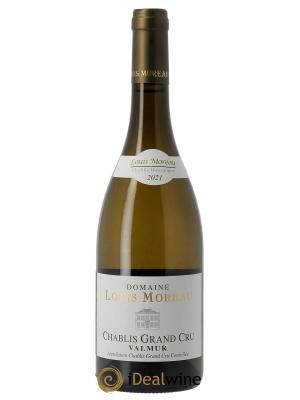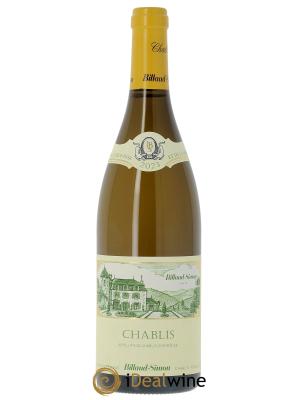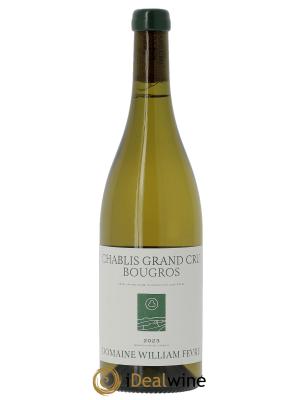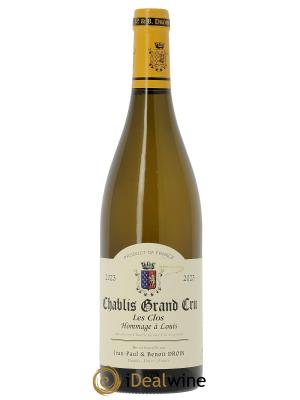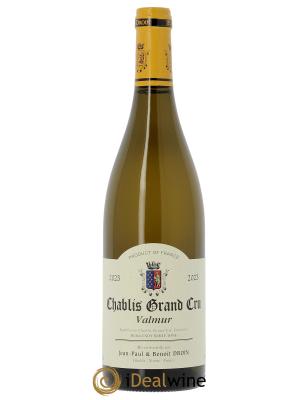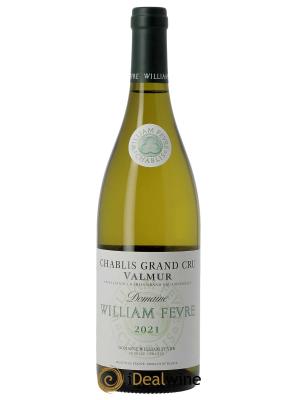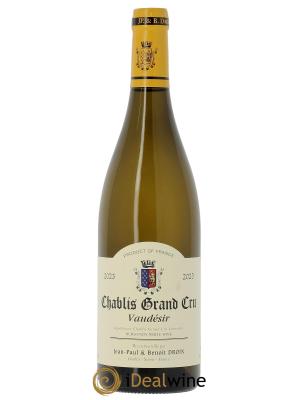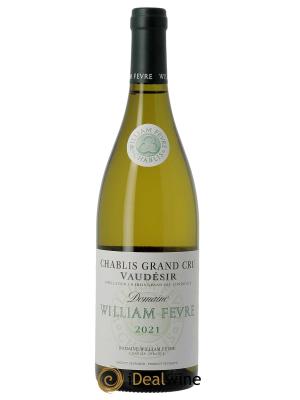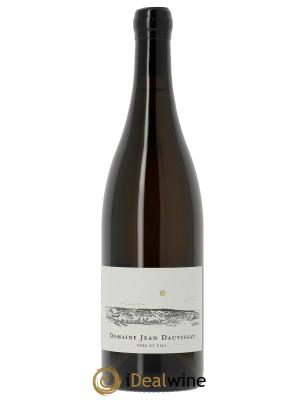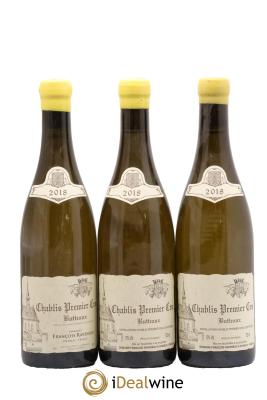
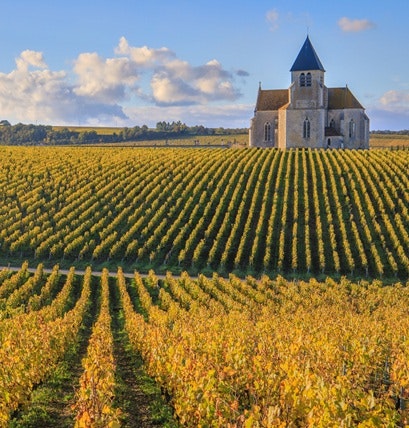
Chablis
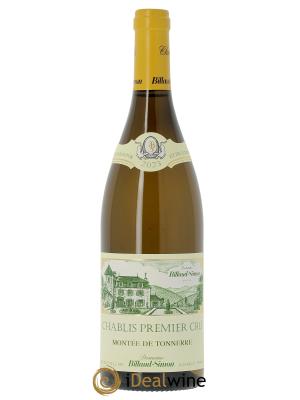
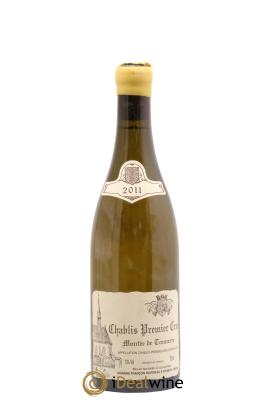
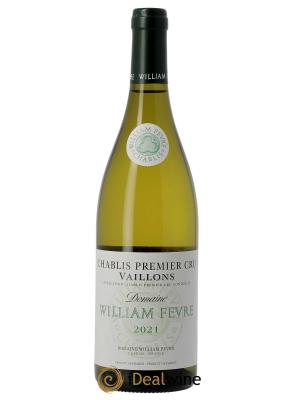
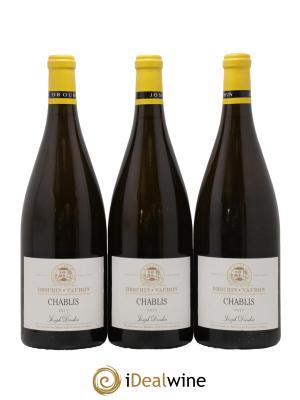
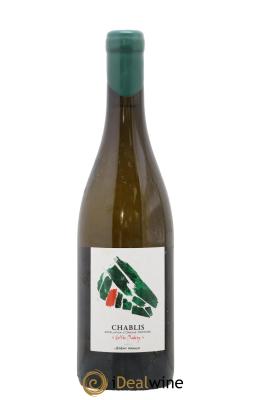
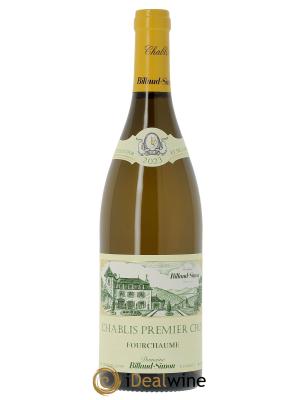
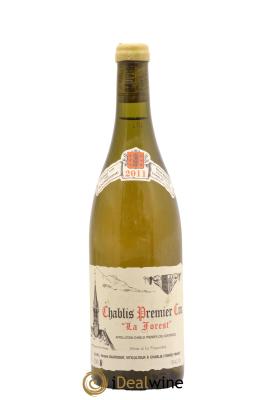
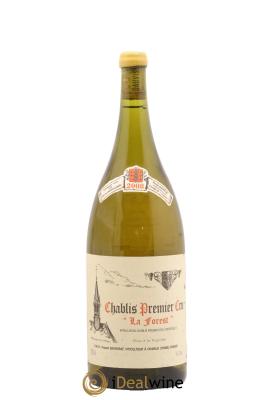
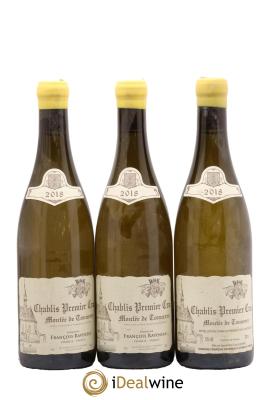
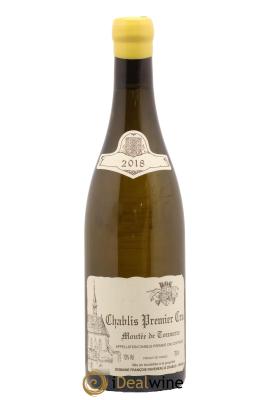
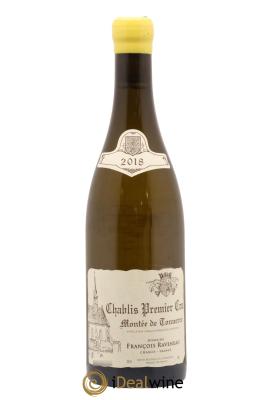
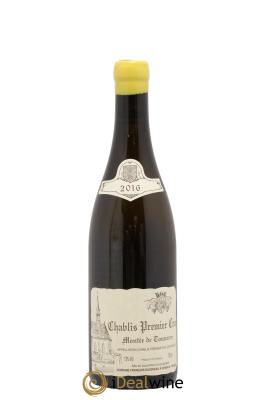
Chablis summarised in figures is one colour of wine (white), one single grape variety (Chardonnay), one exceptional terroir (with a subsoil that is 150 million years old), four levels of AOC classification established in 1938 (Petit Chablis, Chablis, Chablis Premier Cru and Chablis Grand Cru), with 47 crus in all, and around 5,800 hectares of vineyards.
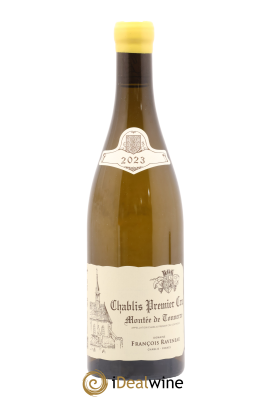
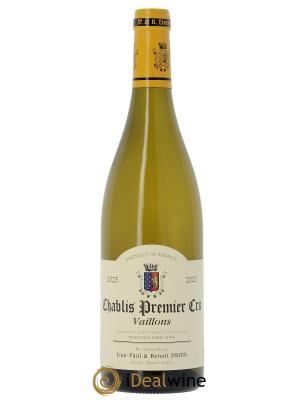
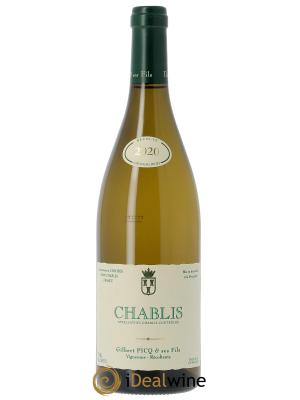
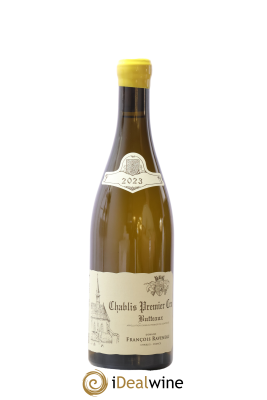
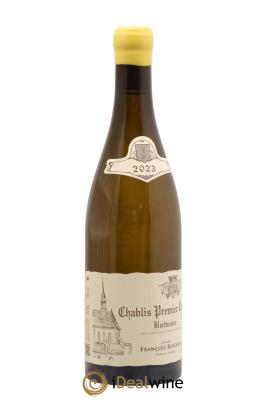
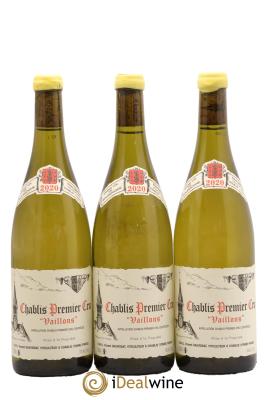
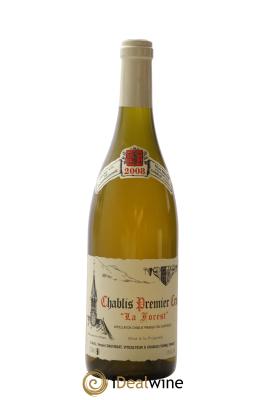
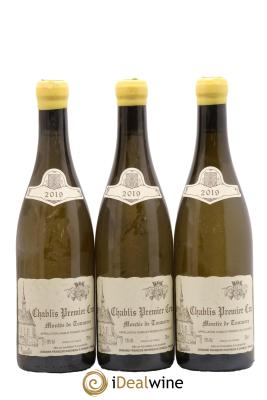
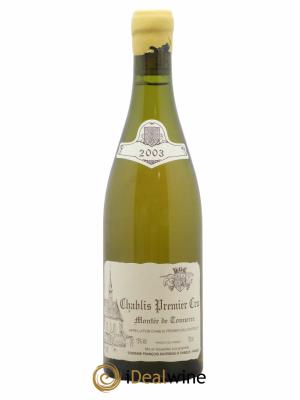
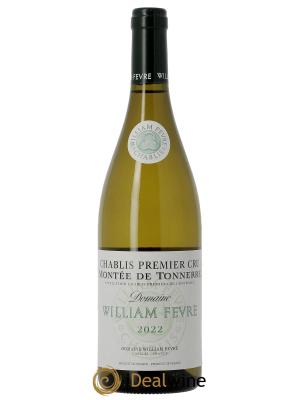
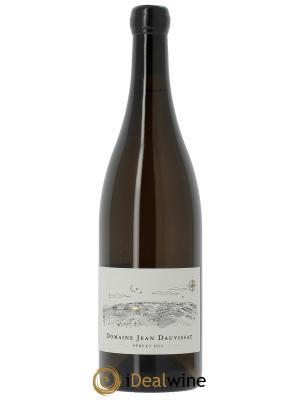
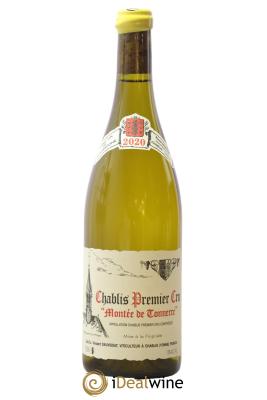
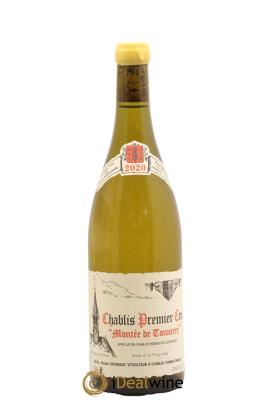
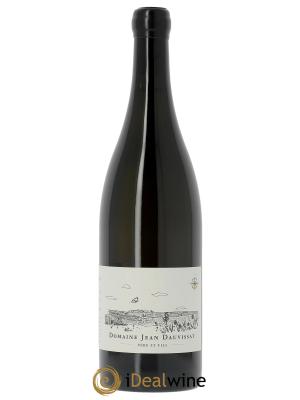
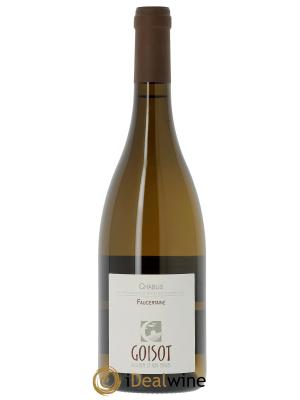
Welcome to Chablis, Burgundy’s most northerly winegrowing area, between Beaune and Paris. Here, the vines grow on hillsides along the banks of the Serein valley in some twenty communes. The Chablis soil is clay and limestone with a rich Kimmeridgian subsoil. The climate is semi-continental and cooler than in the rest of the region. This explains why Chablis is more often affected by spring frosts and results in fresher, more mineral wines. Chablis wines are dry in style and are appreciated for their crystalline quality and good acidity. Traditionally, they are aged in vats or with very little new wood. They enjoy a long-standing reputation worldwide – the Chablis vineyards date back to Gaul and developed considerably in the 12th century, but the wines are still particularly popular with the English and are exported extensively, especially across the Channel. While a few legendary estates rank above the rest (Raveneau and Dauvissat), the appellation also offers fantastic opportunities to cellar top-flight Chardonnays at softer price points, like Louis Moreau, Clotilde Davenne and Gilbert Picq et Fils.