
Carmenere
Originally from Bordeaux, Carménère is a very late-ripening grape variety that sits somewhere between Cabernet Sauvignon and Cabernet Franc. It has considerable potential to produce fine wines, both as a single-variety wine and in blends. Widely grown in the Gironde area of France before phylloxera, Carménère virtually disappeared from Europe afterwards, as its late ripening and susceptibility to disease made growers reluctant to replant it, particularly in cooler climates. Carménère found a new lease of life in Chile. Introduced in the 19th century, it was mistaken for Merlot for many years before French ampelographer Jean-Michel Boursiquot formally identified the variety in 1994. Today, Carménère is one of Chile’s signature grape varieties and is particularly well suited to the warm valleys of Colchagua, Maipo and Cachapoal, where late harvesting helps maintain the balance of the grapes.
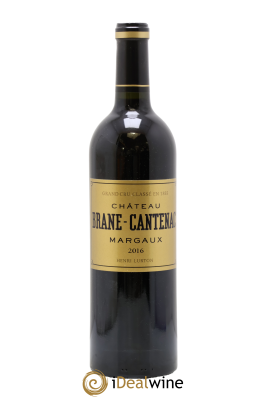
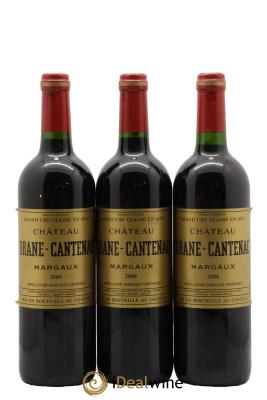
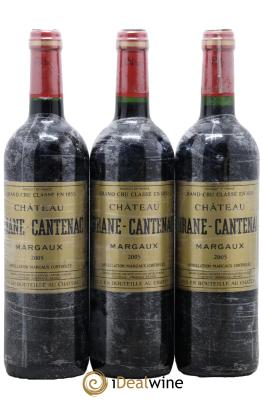
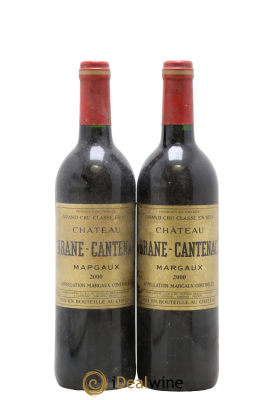
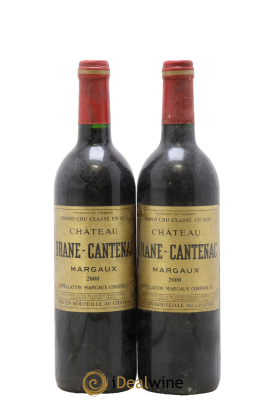
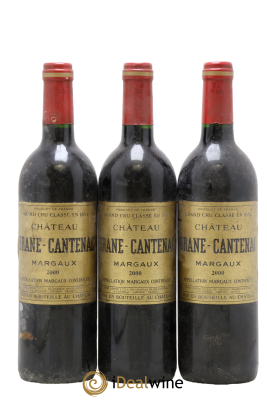
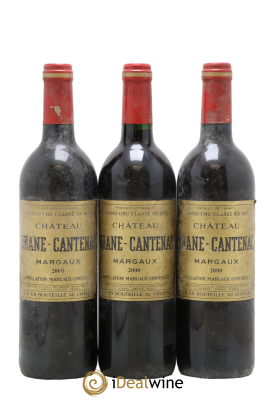
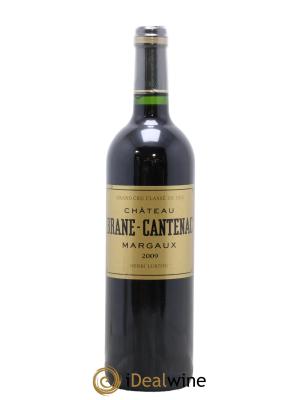
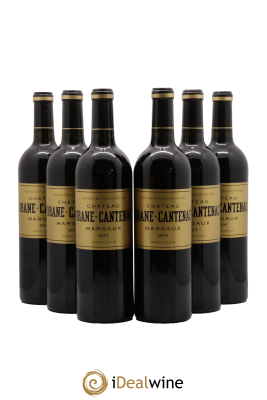
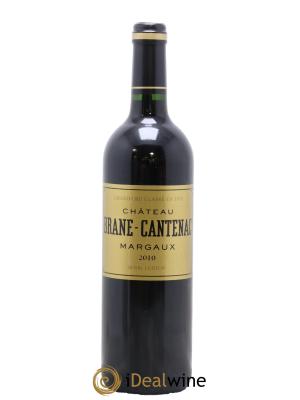
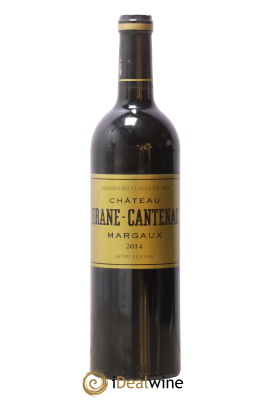
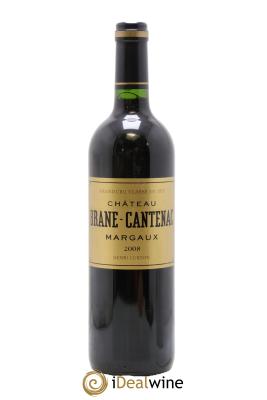
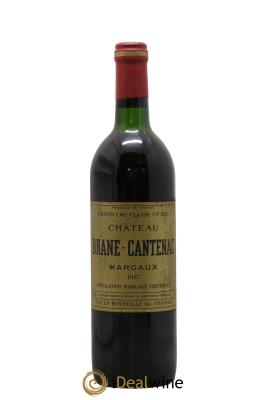
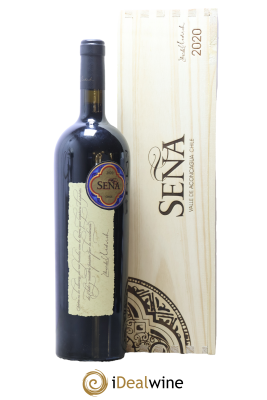
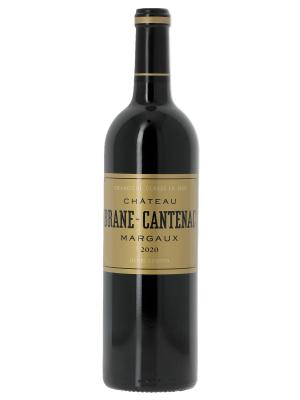
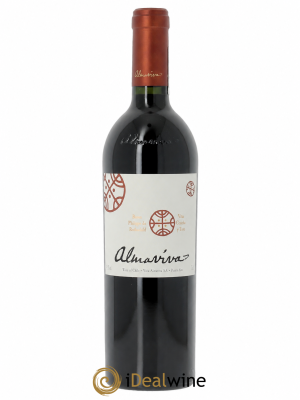
Carménère is highly expressive on the nose, with intense aromas of ripe black fruit – blackcurrant, blackberry and plum – alongside roasted red pepper, sweet spices such as paprika and pepper, and more balsamic notes, sometimes with hints of chocolate or smoke. On the palate, Carménère is supple and velvety, with well-integrated tannins, moderate acidity and good persistence. It can gain complexity with ageing, particularly in barrel, and generally has greater ageing potential than might be expected. Several producers have made Carménère a speciality, producing benchmark wines that demonstrate the variety’s full potential, including Almaviva and Seña in Chile. In Bordeaux, Carménère is still used in small proportions in the blends at Château Brane-Cantenac and Château de Pressac.