


Loading

Wine for sale: Fixed price Dom Pérignon
| 8 results
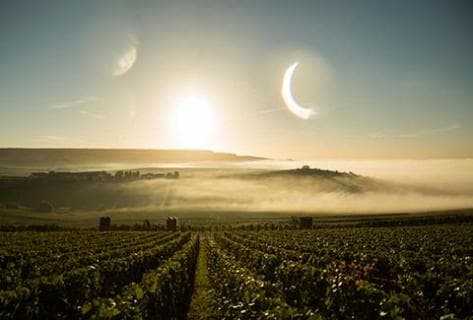
Photo d'arrière plan en noir et blanc montrant la lumière du soleil à travers des vignes

PRODUCER OF THE WEEK

Dom Pérignon

Dom Pérignon is undoubtedly the world’s most renowned Champagne house, celebrated for crafting wines of unique depth and complexity. Its remarkable story begins with a visionary monk whose ambitions shaped the foundations of the estate as we know it today.

Dom Pérignon is undoubtedly the world’s most renowned Champagne house, celebrated for crafting wines of unique depth and complexity. Its...

Photo principale du domaine
Photo du logo du domaine
2eme Plénitude (P2) Dom Pérignon

2eme Plénitude (P2) Dom Pérignon

H
2006
420
225 | Buy 2, get 10%
H
2015
250
H
2013
235
H
2012
220
H
2009
428
H
2008
420
H
2008
380
H
2015
249
Dom Pérignon - 1
Dom Pérignon - 2
Dom Pérignon - 3
Dom Pérignon - 4

Dom Pérignon

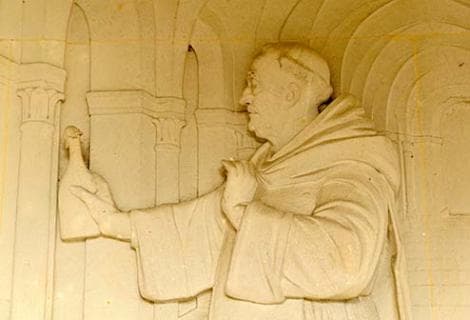
Dom Perignon, a Benedictine monk, appointed cellarer in the Hautvillers Abbaye in 1668, marked his time in contributing to the development of champagne, originally designed to be a "still" wine (without bubbles). The advent of Napoleon, a friend of Jean-Remy Chandon in 1804, marks the beginning of an era of uninterrupted commercial success for Moët & Chandon, which is now globally renowned. "The" Dom Perignon, cuvee prestige of the house, is certainly the most famous champagne in the world.
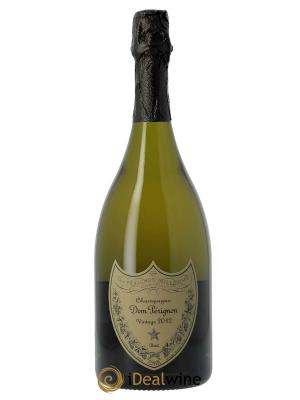
Sold from 1936 (the vintage 1921, produced only 300 copies), it experienced immediate worldwide success. This wine, bottled in a particular eighteenth-century flask-shaped bottle, is produced only in the best years. The volume of bottles of Dom Perignon produced is a secret jealously guarded by the LVMH group, now owners of Moët & Chandon.
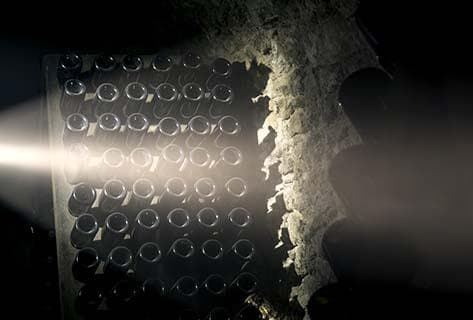
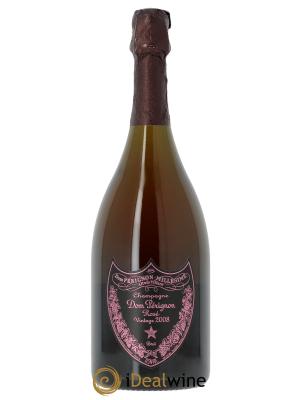
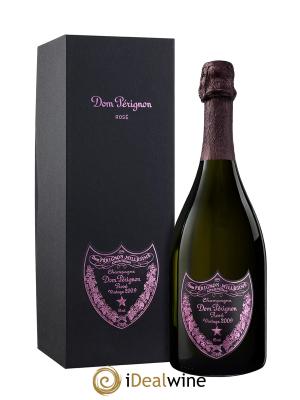
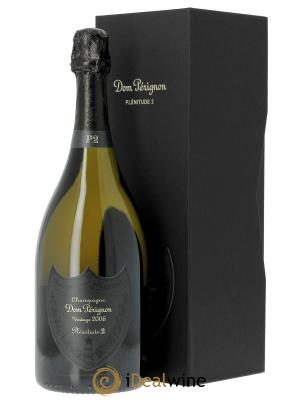
Other creations complete the collection, such as the rosé cuvée, a blend of Chardonnay and Pinot Noir offering red-fruit aromatics, candied citrus and subtle empyreumatic notes; Dom Pérignon Plénitude 2 (P2) marks a new peak in the life of the Vintage cuvée, released after an extended period of lee ageing with late disgorgement, typically after 12 to 15 years in the cellar. As for Plénitude 3 (P3), it stands at the pinnacle of its expression, released only after 25 to 40 years of cellar ageing.
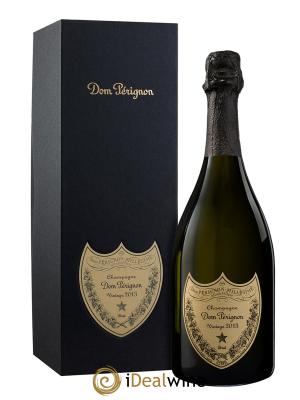
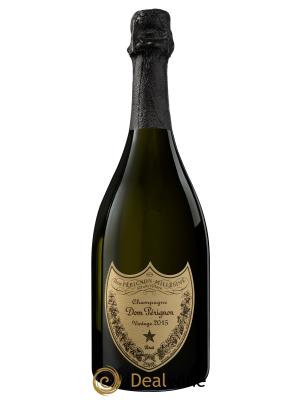
Dom Perignon, a Benedictine monk, appointed cellarer in the Hautvillers Abbaye in 1668, marked his time in contributing to the development of champagne, originally designed to be a "still" wine (without bubbles). The advent of Napoleon, a friend of Jean-Remy Chandon in 1804, marks the beginning of an era of uninterrupted commercial success for Moët & Chandon, which is now globally renowned. "The" Dom Perignon, cuvee prestige of the house, is certainly the most famous champagne in the world.
Sold from 1936 (the vintage 1921, produced only 300 copies), it experienced immediate worldwide success. This wine, bottled in a particular eighteenth-century flask-shaped bottle, is produced only in the best years. The volume of bottles of Dom Perignon produced is a secret jealously guarded by the LVMH group, now owners of Moët & Chandon.
Other creations complete the collection, such as the rosé cuvée, a blend of Chardonnay and Pinot Noir offering red-fruit aromatics, candied citrus and subtle empyreumatic notes; Dom Pérignon Plénitude 2 (P2) marks a new peak in the life of the Vintage cuvée, released after an extended period of lee ageing with late disgorgement, typically after 12 to 15 years in the cellar. As for Plénitude 3 (P3), it stands at the pinnacle of its expression, released only after 25 to 40 years of cellar ageing.
Price estimate for Dom Pérignon

WHAT THE EXPERTS SAY...

BETTANE & DESSEAUVE

LA REVUE DU VIN DE FRANCE