


Loading

Welcome to iDealwine, world leader in online wine auctions, and an online shop for Burgundy, Bordeaux, Champagne...

Wine for sale: Chateau Leoville Poyferre
| 37 results
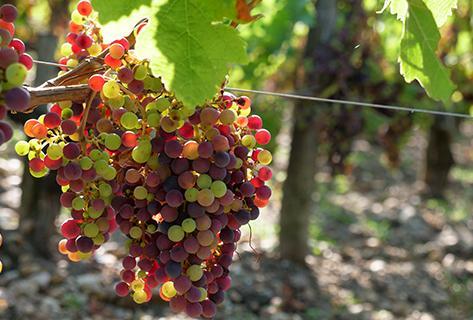
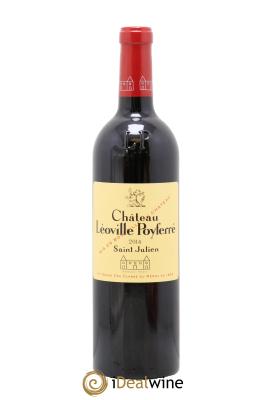
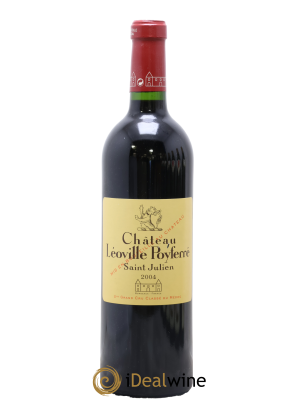
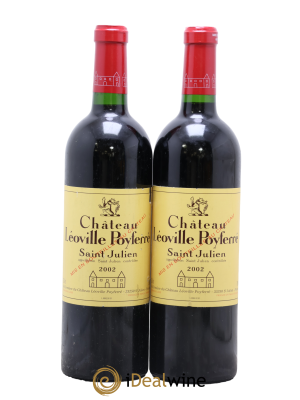
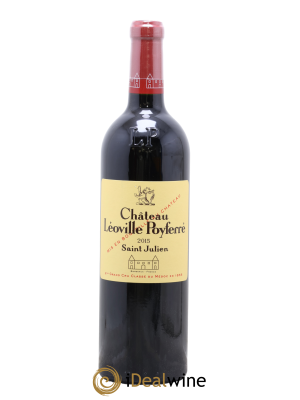
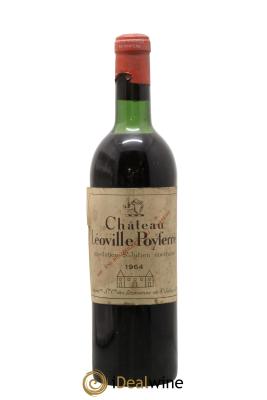
Château Léoville Poyferré - 1
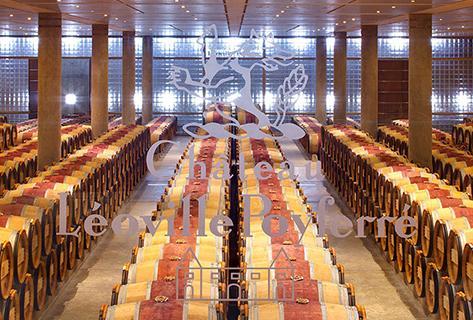
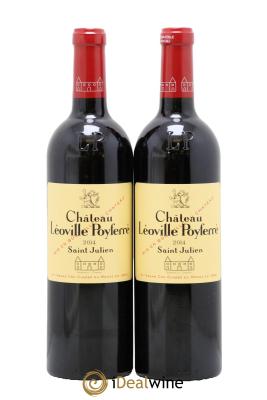
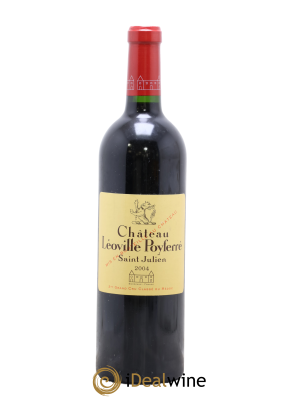
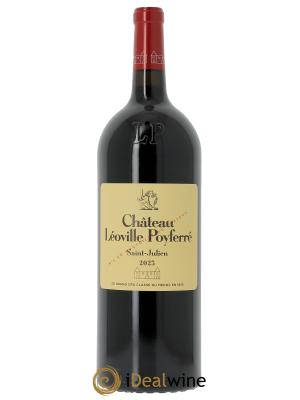
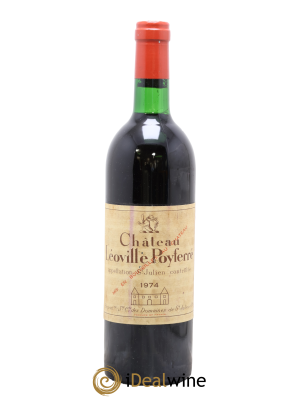
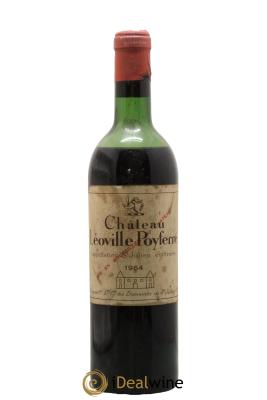
Château Léoville Poyferré - 2
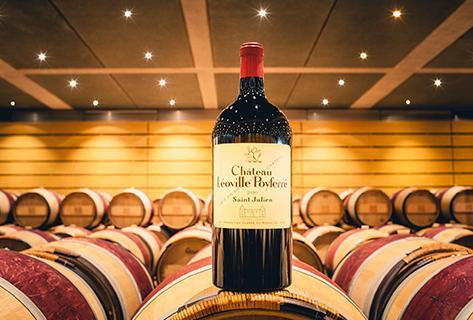
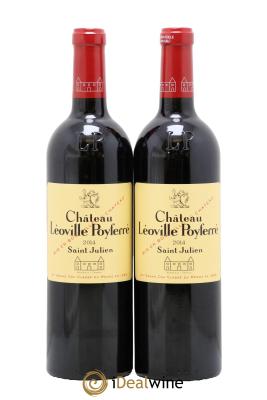
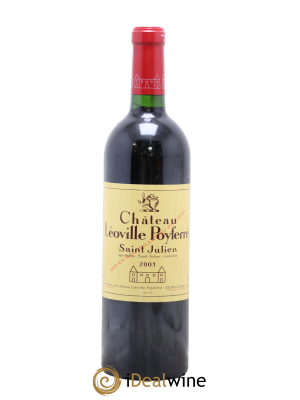
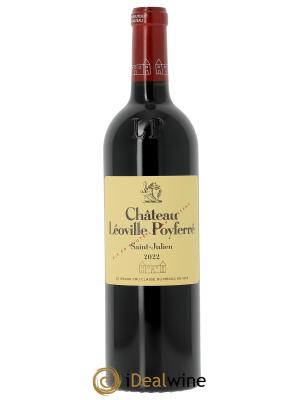
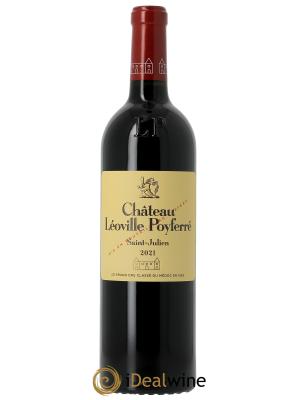
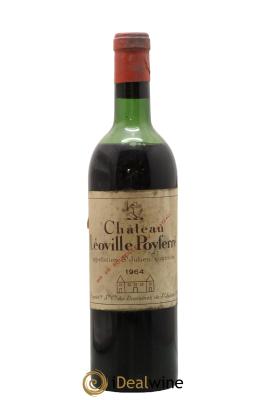
Château Léoville Poyferré - 3
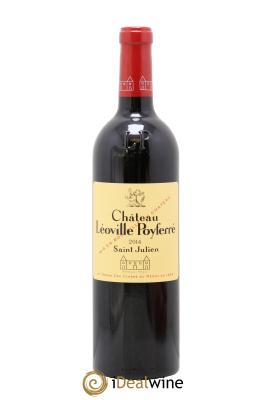
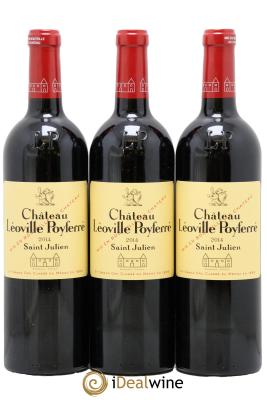
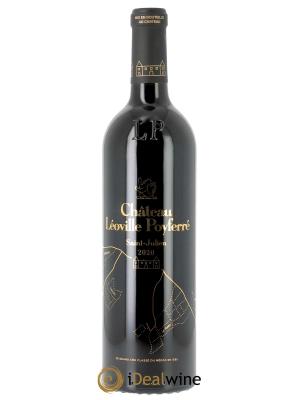
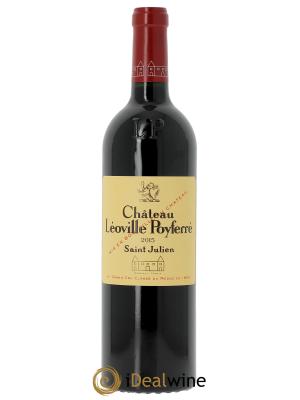
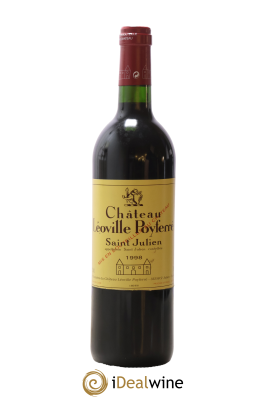
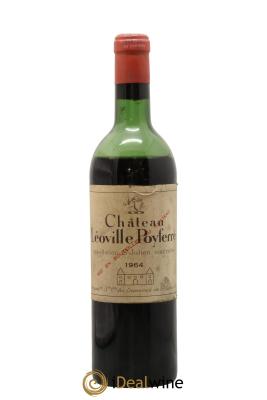
Château Léoville Poyferré - 4

Château Léoville Poyferré

Léoville Poyferré's vines were originally part of the same vineyard as Léoville Las Cases and Léoville Barton. The property was created by a member of the Bordeaux parliament, Jean de Moytié, in 1638. The wine was already well-known, appreciated and commanding high prices in the 18th century, due to work of the owner from 1740, Blaise-Alexandre de Gasq, the Seigneur of Léoville. Four of his descendants owned the property at the time of the French Revolution. Four of his descendants owned the property at the time of the French Revolution. One of them, the Marquis de Las Cases, who owned one quarter of the land, fled abroad. The other three managed to obtain a partial confiscation of the property, consisting specifically of this quarter, from the Revolutionary Government. This plot would later become Léoville Barton. When the remaining plots were divided up, in 1840, Jeanne de Poyferré, the Marquis's granddaughter, inherited the current property, which took the name Château de Léoville Poyferré. The classification of the Médoc's wines took place a few years later in 1855. As the original property had been divided into three separate châteaux, they were all granted the rank of second growth (Deuxième Grand Cru Classé). Sold several times, Léoville Poyferré fell to a family from the north in 1920, today represented by Didier Cuvelier. As a remnant of this turbulent history, the château itself and the main courtyard are still shared between the owners of Léoville Poyferré and Léoville Las Cases. Under the management of Didier Cuvelier and the oenologist Michel Rolland, Château Léoville Poyferré has the technical and human potential to rival its cousin. The modernisation of the winery, the production of a second wine, Moulin Riche, and the use of a substantial proportion of new wood (80%) to age the wines, have all contributed to the creation of a complex nectar, with incredible depth.
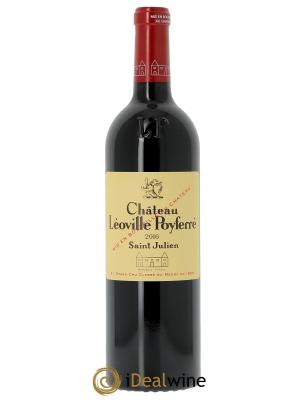
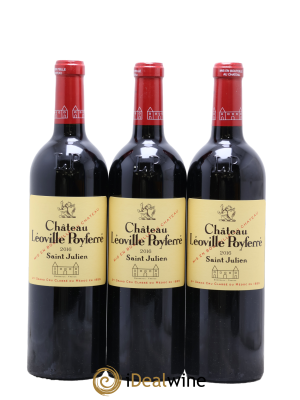
Léoville Poyferré's vines were originally part of the same vineyard as Léoville Las Cases and Léoville Barton. The property was created by a member of the Bordeaux parliament, Jean de Moytié, in 1638. The wine was already well-known, appreciated and commanding high prices in the 18th century, due to work of the owner from 1740, Blaise-Alexandre de Gasq, the Seigneur of Léoville. Four of his descendants owned the property at the time of the French Revolution. Four of his descendants owned the property at the time of the French Revolution. One of them, the Marquis de Las Cases, who owned one quarter of the land, fled abroad. The other three managed to obtain a partial confiscation of the property, consisting specifically of this quarter, from the Revolutionary Government. This plot would later become Léoville Barton. When the remaining plots were divided up, in 1840, Jeanne de Poyferré, the Marquis's granddaughter, inherited the current property, which took the name Château de Léoville Poyferré. The classification of the Médoc's wines took place a few years later in 1855. As the original property had been divided into three separate châteaux, they were all granted the rank of second growth (Deuxième Grand Cru Classé). Sold several times, Léoville Poyferré fell to a family from the north in 1920, today represented by Didier Cuvelier. As a remnant of this turbulent history, the château itself and the main courtyard are still shared between the owners of Léoville Poyferré and Léoville Las Cases. Under the management of Didier Cuvelier and the oenologist Michel Rolland, Château Léoville Poyferré has the technical and human potential to rival its cousin. The modernisation of the winery, the production of a second wine, Moulin Riche, and the use of a substantial proportion of new wood (80%) to age the wines, have all contributed to the creation of a complex nectar, with incredible depth.
2008
60(current price)
2008
T
360(starting price)Price per bottle 60
2008
T
720(starting price)Price per bottle 60
2008
153(starting price)Price per bottle 51
2016
540(starting price)Price per bottle 90
2016
T
540(starting price)Price per bottle 90
2016
260(current price)Price per bottle 86.67
2009
110(starting price)
2003
240(current price)Price per bottle 80
2011
50(current price)
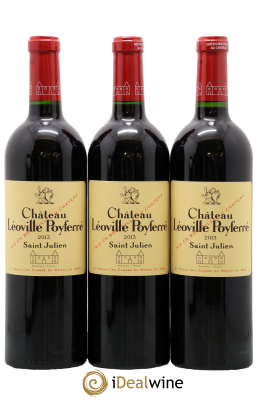
2015
70(starting price)
1992
90(current price)Price per bottle 45
1992
135(starting price)Price per bottle 45
1992
135(starting price)Price per bottle 45
1982
570(starting price)Price per bottle 190
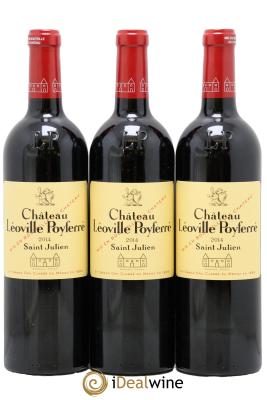
2014
160Price per bottle 80
2014
240Price per bottle 80
2000
260(starting price)Price per bottle 130
2000
221(starting price)Price per bottle 110.50
2013
90(starting price)Price per bottle 45
1985
150(current price)Price per bottle 75
1985
70(starting price)
1985
70(starting price)
1985
70(starting price)
1985
130(starting price)Price per bottle 65
1985
130(starting price)Price per bottle 65
1985
180(starting price)Price per bottle 60
1985
180(starting price)Price per bottle 60
2017
23(current price)
2009
34(current price)
Available soon
2025
T
Availability alert
Price estimate for Chateau Leoville Poyferre

WHAT THE EXPERTS SAY...

BETTANE & DESSEAUVE

LA REVUE DU VIN DE FRANCE