




 The iDealwine Loyalty ProgrammeReward schemeGet credit notes from your purchases!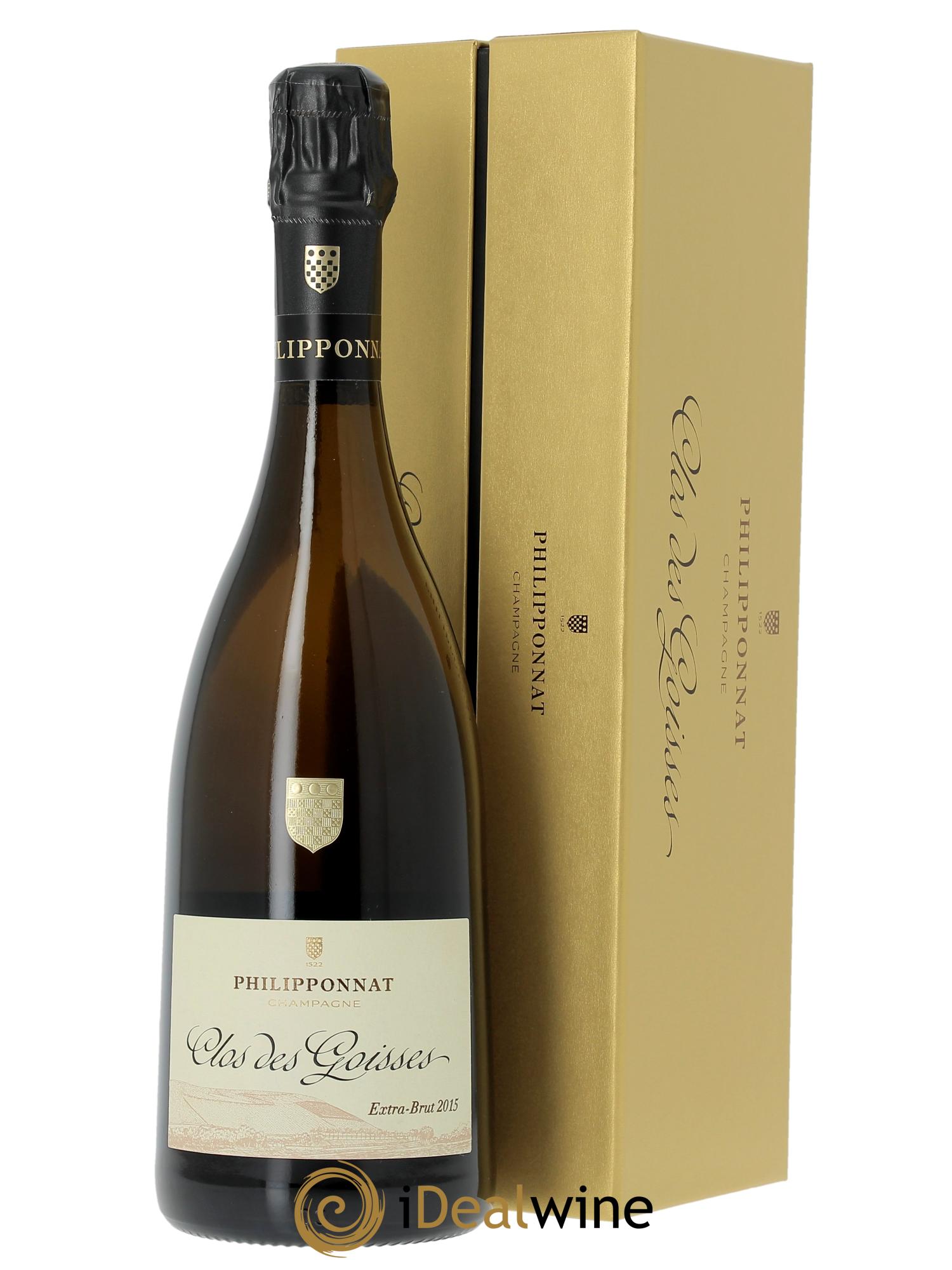
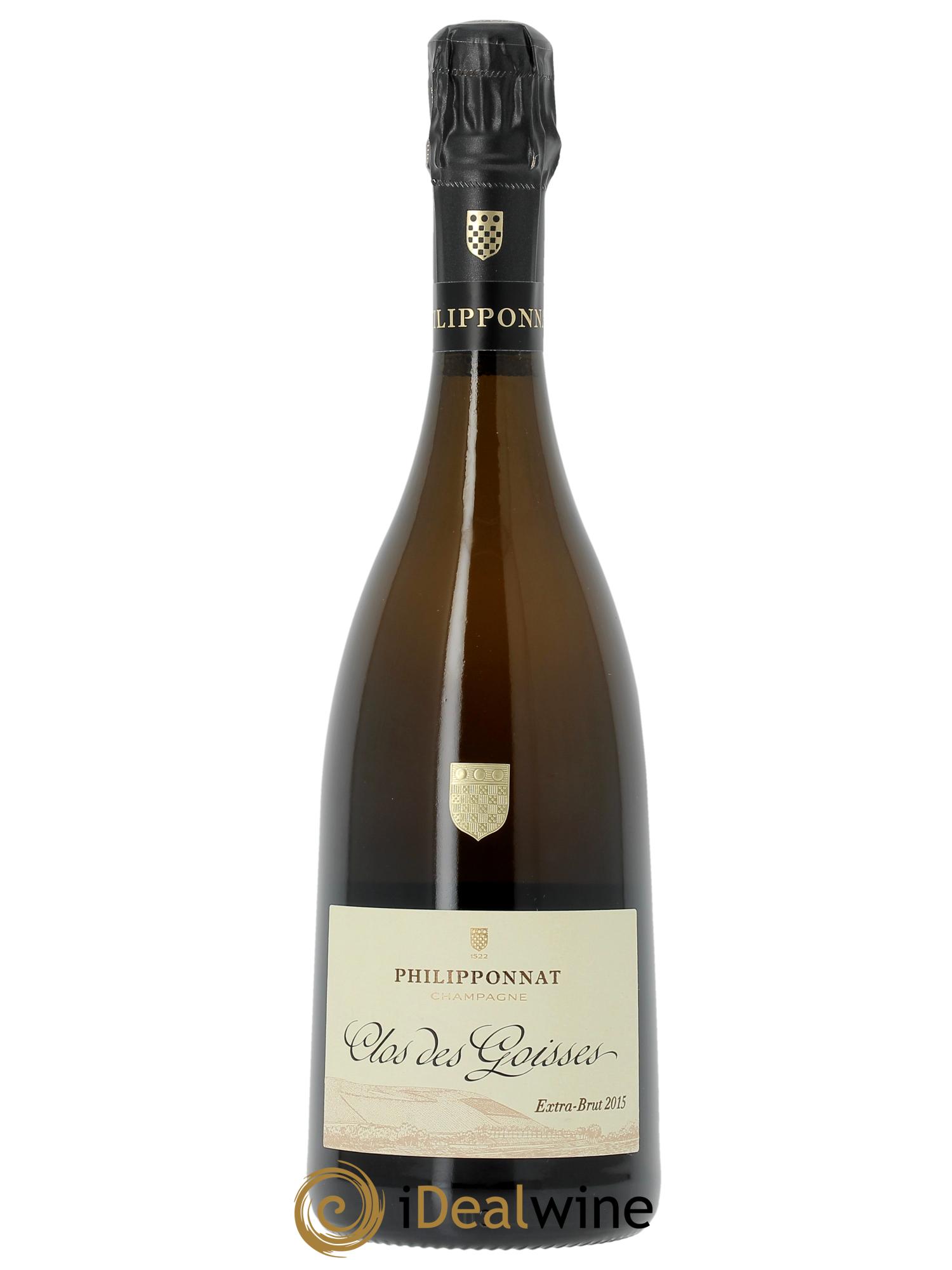
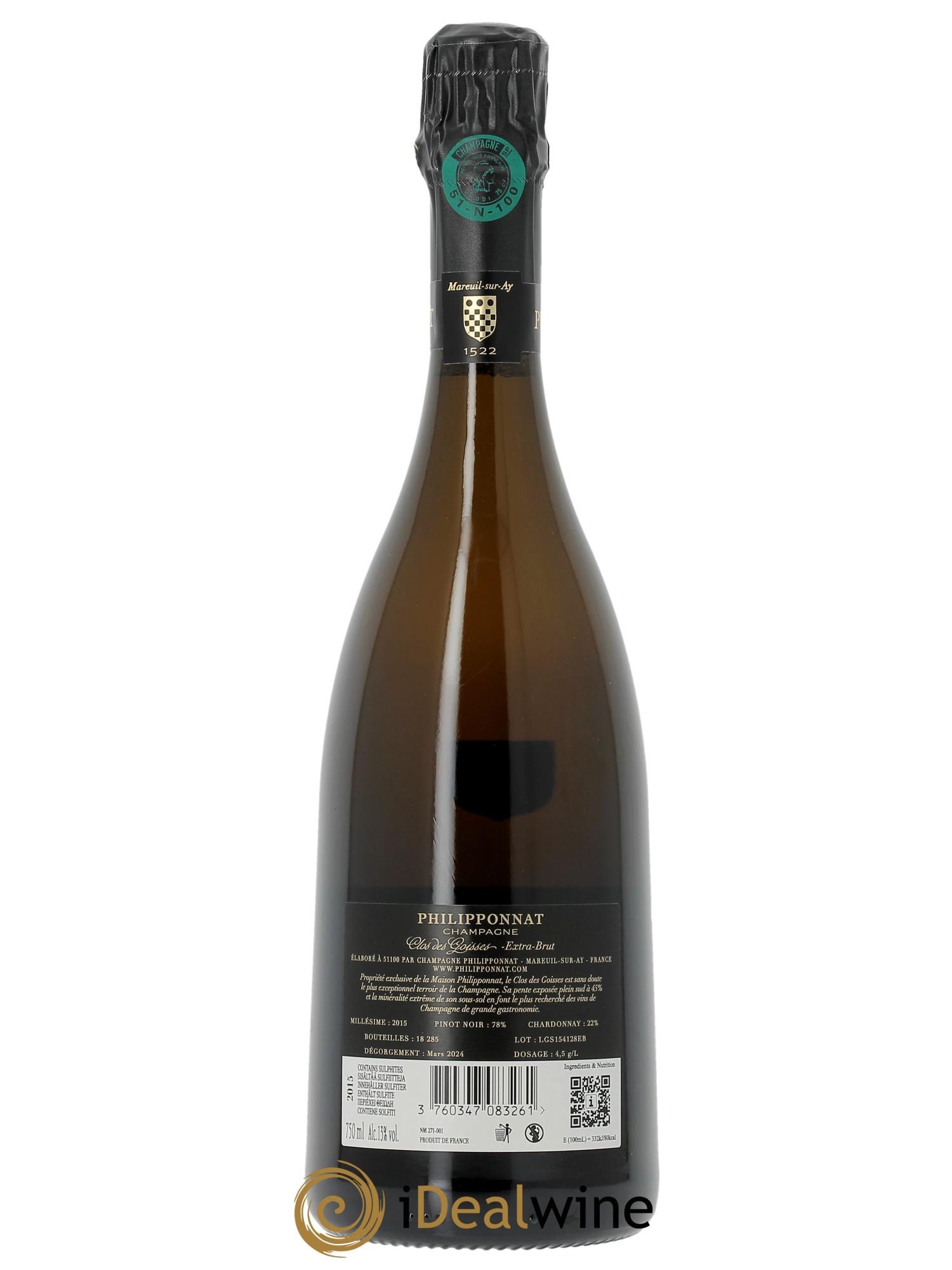
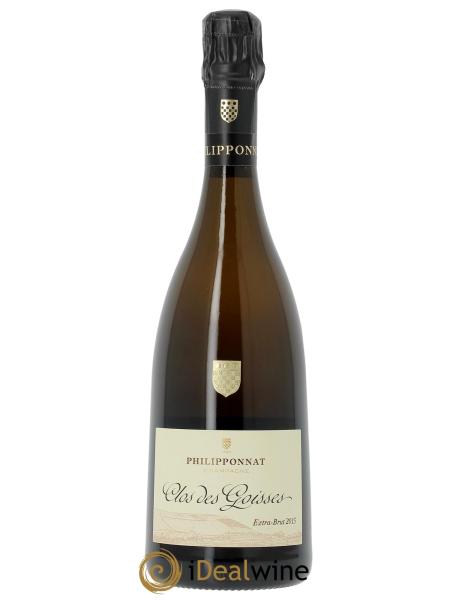
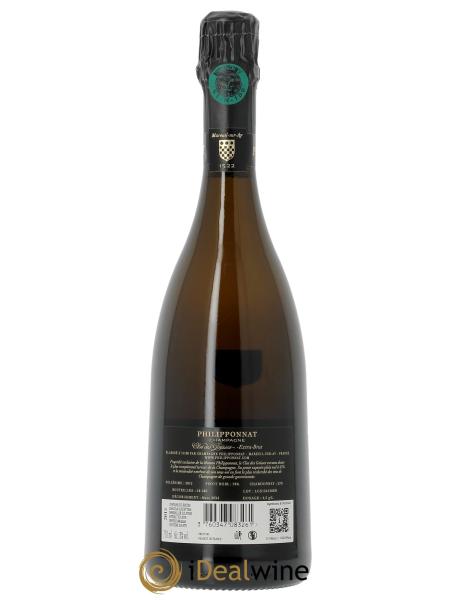
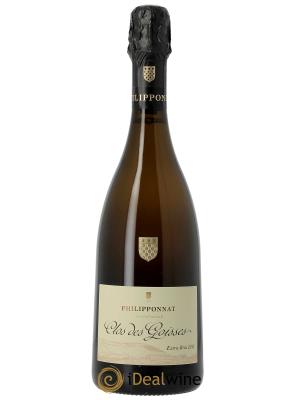
Clos des Goisses Philipponnat 2015
Champagne AOC
12%
0.75L
Intensity
Clos des Goisses was bought in 1935 by the house. The 5.5-hectare plot is south facing, surrounded by walls and the vines are planted on a slope of 45°. The cuvée is made with a majority of Pinot Noir, completed with some Chardonnay (30%) and is vinified partly in oak (75%), without malolactic fermentation. It ages for 10 years in the house’s cellars. This champagne delivers flavours of lemon, bergamot, pastry (brioche, almond). On the palate, it is at once fresh and vinous.

About the Producer Champagne Philipponnat
★ Partner ProducerMaison Philipponnat traces its roots back to the 16th century, when Apvril Philipponnat was awarded land in Aÿ for fighting in François I’s army at the Battle of Marignan. From that point on, the House developed, and its Champagnes found their way to the tables of princes and even King Louis XIV. Maison Philipponnat as such was founded in Mareuil-sur-Aÿ in 1910, in the former 18th-century cellars of the Château de Mareuil. In 1935, the family acquired Clos des Goisses, a renowned parcel which now produces one of the house's most-well known cuvées.
Today, the vines spread over 20 hectares in Aÿ, Avenay-Val-d’Or, Mareuil-sur-Aÿ and Mutigny, and the House sources additional grapes from selected demanding winegrowers. The House joined the Boizel Chanoine Champagne group in 1997, but the Philipponnat family is still very much present, alongside Charles Philipponnat and today his son François.
In the vineyard, viticultural methods are as natural and respectful of the terroir as possible (no insecticides, grass left between vines). The estate has worked hard to get certificates confirming their commitment to sustainable viticulture. And in the winery, one of the unique techniques used is to preserve reserve wines in solera in oak casks. A medium-sized house producing top end, truly recommended Champagnes.
You might also like...
Similar lots
to statistics for over
150,000 price estimates