


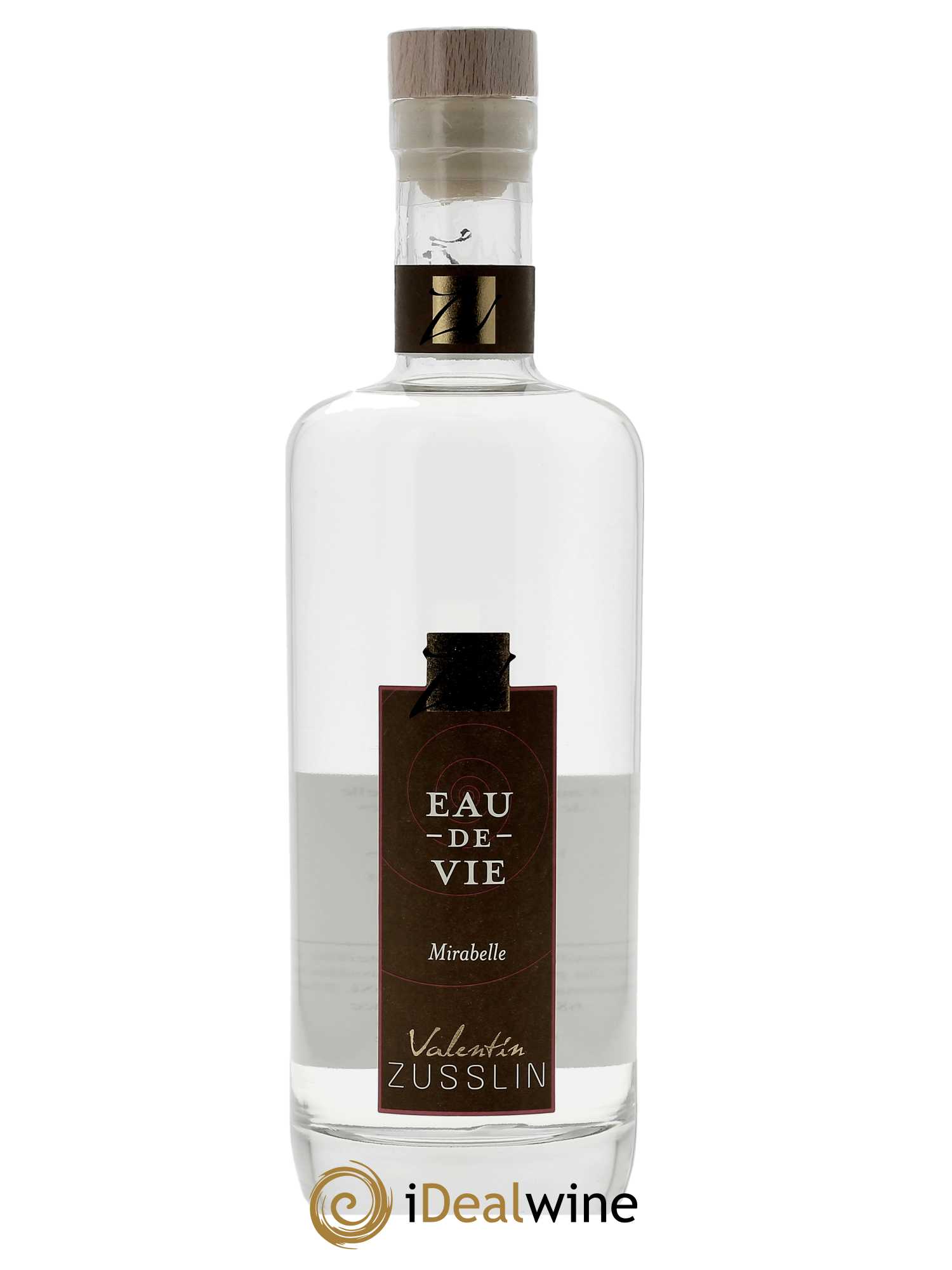
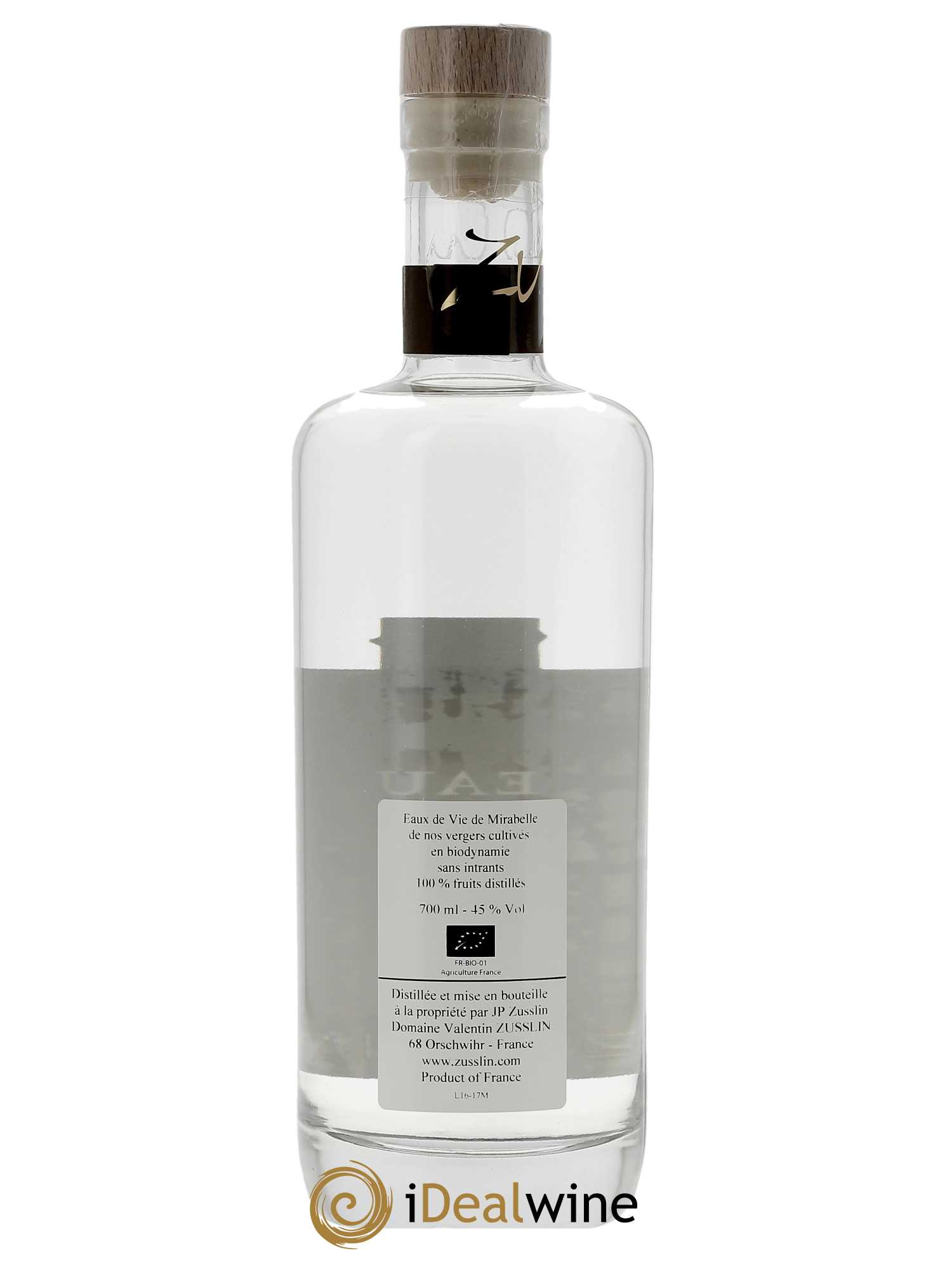
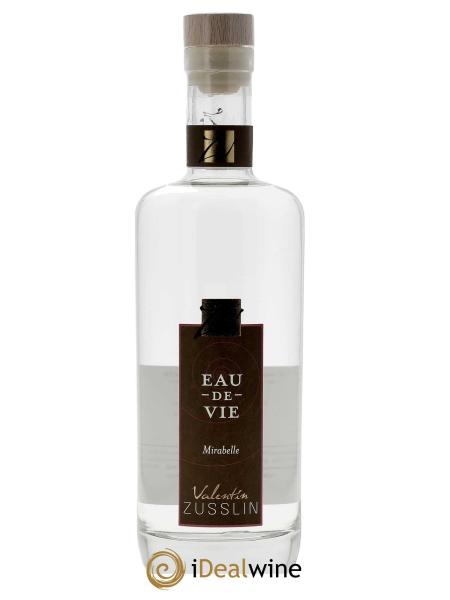
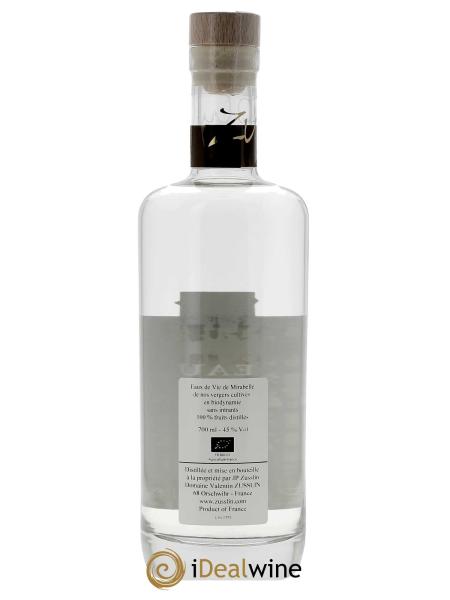
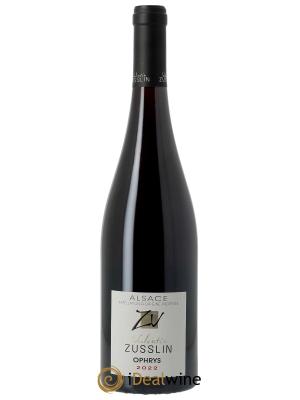
Eau de vie de Mirabelle Valentin Zusslin (Domaine)
45%
0.7L
Intensity
What makes this wine special?
A brandy with intricate aromas, combined with a sweetness and complexity that is often found in stone fruit liquors.
More infoThis brandy was made from hand-picked Mirabelle plums in organic orchards where no synthetic chemicals or additives are used. After the harvest the fruit is left to ferment in tanks for four months. To prevent hydrogen cyanide from forming, the plums are immediately distilled after fermentation. The fruit goes through one distillation in Holstein stills, which allows for a very precise distillation thanks to its integrated system of columns and plates. The liquor produced is then conserved for a year in tanks before adjusting its alcohol content to sell. This method ensures that the aromas are delicate and precise. To reduce the alcohol content to 45%, mineral water from a natural source in the Black Forest is added.
The nose flaunts the rich, sweet and sophisticated aromas of the Mirabelle plums, along with the complexity quintessential to stone-fruit liquors. The lush palate boasts a full-bodied texture and aromas reminiscent of fruit compote.
About the Producer Valentin Zusslin
★ Partner ProducerLet’s head to Orschwihr, south of Colmar, where the Zusslin family nurtures 18 hectares of vines planted to nine traditional Alsace grape varieties. Founded in 1691 by Jodocus Cisle, an ancestor of the family, the estate is now cared for by Valentin’s grandchildren, Jean-Paul and Marie Zusslin, who continue the winemaking tradition passed down through 13 generations. Since taking the reins in 2000, the winemakers have earned widespread acclaim. La Revue du Vin de France describes them as “a passionate, charismatic duo, deeply committed to a job well done,” and the estate has become a firm favourite with critics and wine guides in recent years.
Certified organic since 1997 and biodynamic since 2000, the estate draws its wines from some of Alsace’s finest terroirs: Bollenberg, Clos Liebenberg and the Pfingstberg Grand Cru. Since the 2012 vintage, the soils have been cultivated using horse plowing, and the estate has also embraced agro-viticultural forestry, installing beehives and perches to encourage biodiversity and stimulate healthy ecosystems – an approach described as “exemplary” by La Revue du Vin de France. The results speak for themselves: pure, crystalline white wines, alongside red wines with fine structure and genuine ageing potential.
Detailed characteristics
- Quantity:
- 1 bottle
- Level:
- 1 Normal
- Observation:
- 1 Normal
- Origin:
- producer
- Recoverable VAT:
- yes
- Original case:
- no
- Local excise duty seal:
- no
- Alcohol percentage:
- 45 %
- Region:
- Alsace
- Appellation:
- Eau de vie de Mirabelle
- Owner:
- Valentin Zusslin (Domaine)
- Colour:
- white
- Service temperature:
- 12°
- Viticulture:
- biodynamic More information....
- Intensity:
- full-bodied
- Leading aroma:
- yellow fruit
You might also like...
Similar lots
to statistics for over
150,000 price estimates