
Loading

Wine for sale: Fixed price CHATEAUNEUF-DU-PAPE

| 150 results
chateauneuf-du-pape

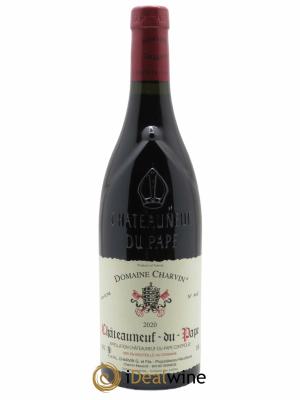
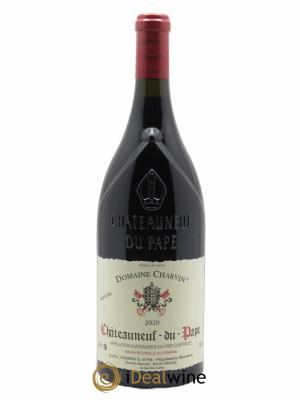
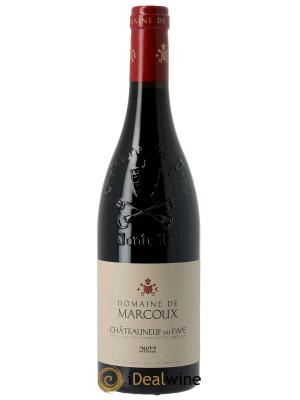
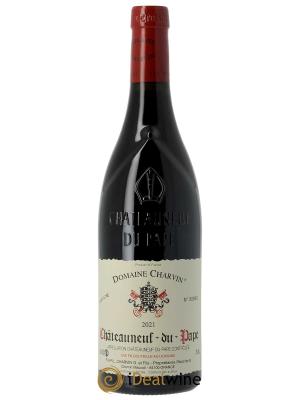
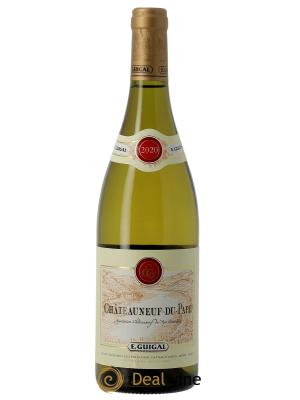
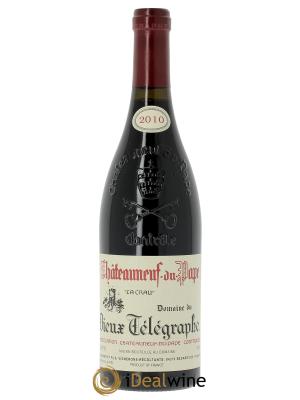
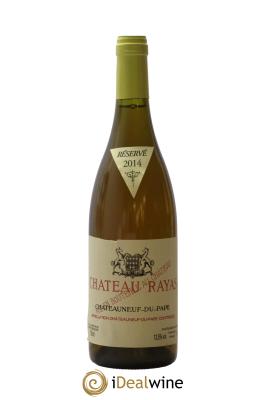
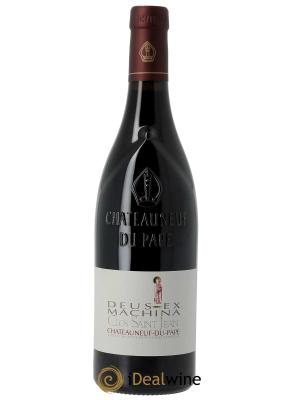
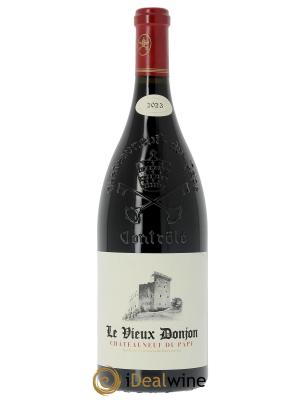
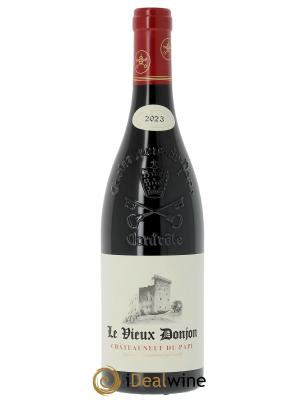
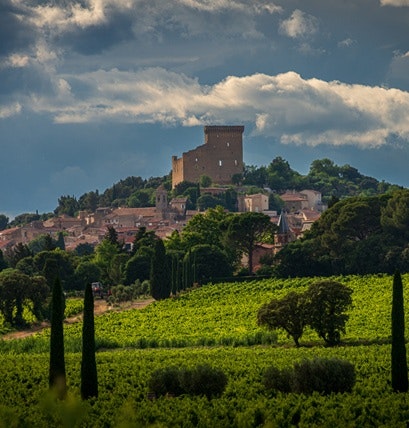
Located in the Vaucluse region between Avignon and Orange, Châteauneuf-du-Pape was home to popes until 1377. All that is left of the “new pope’s castle” overlooking the village are its remains. The village is best known as home of the legendary southern Rhône wine appellation. Châteauneuf-du-Pape was one of the first AOCs in France to be classified in 1936 and covers 3,200 hectares. Lying on the right bank of the Rhône, it borders the appellations of Gigondas and Vacqueyras.

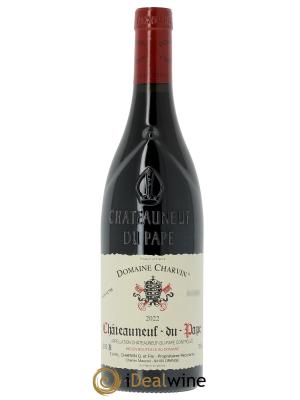
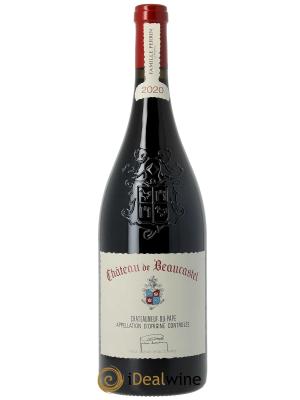
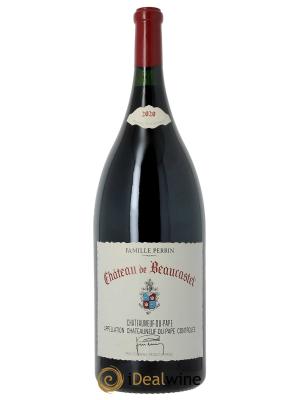
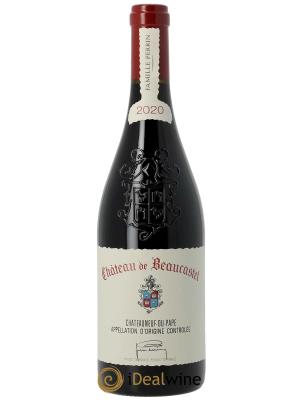
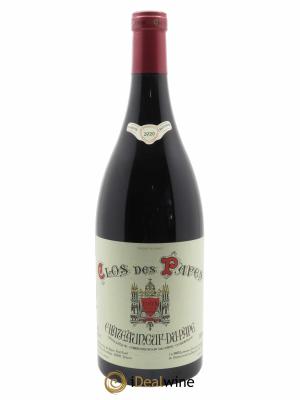
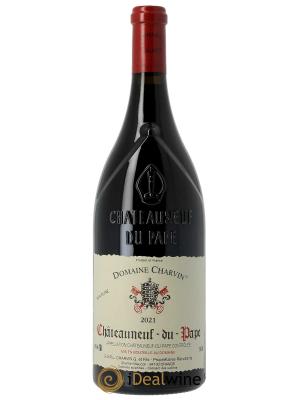
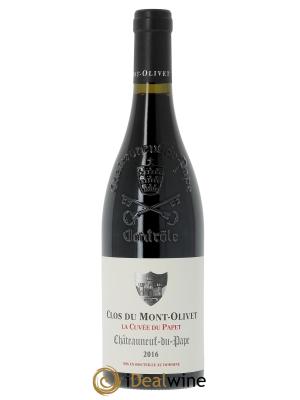
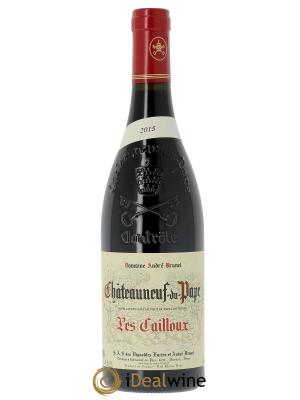
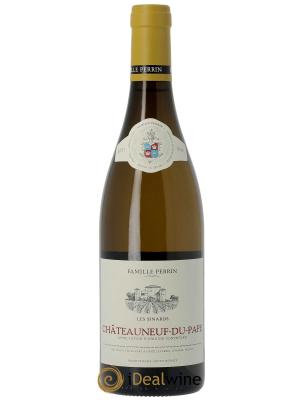
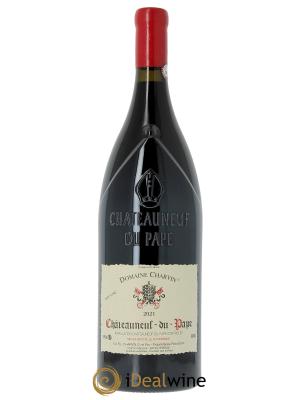
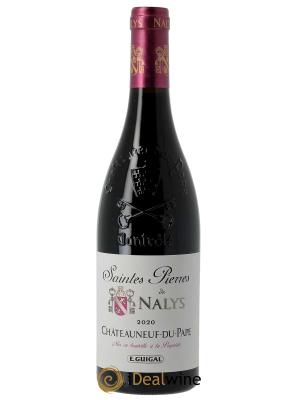
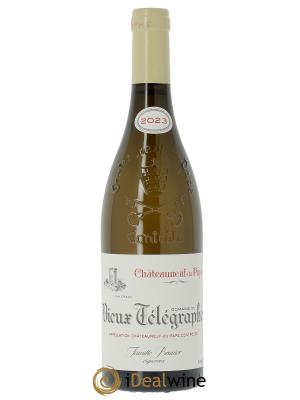
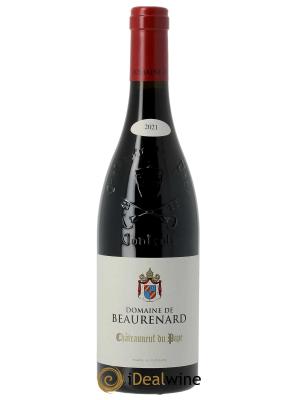
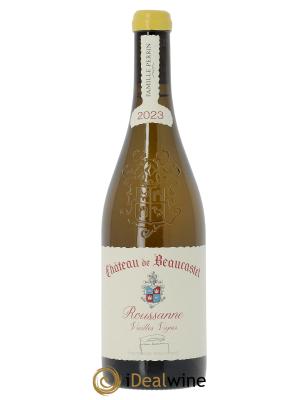
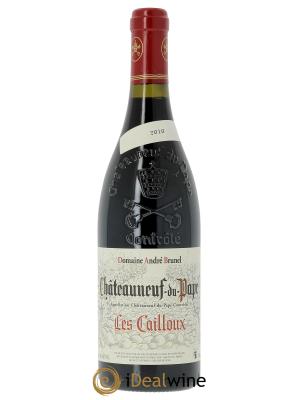
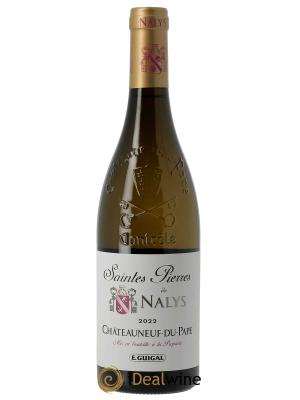
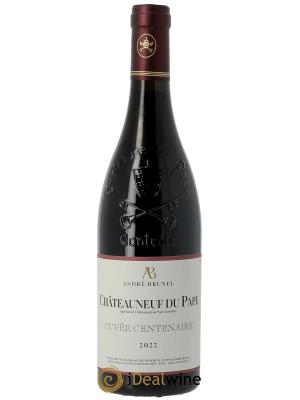
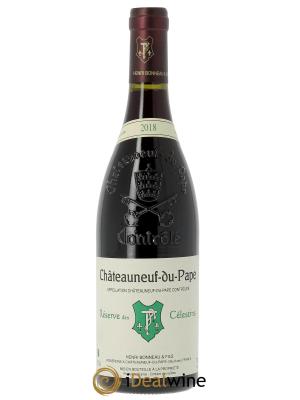
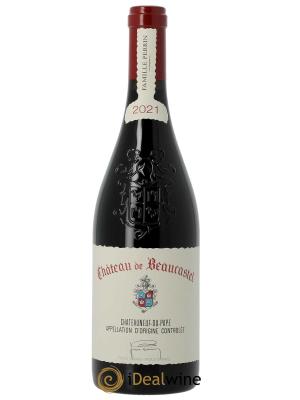
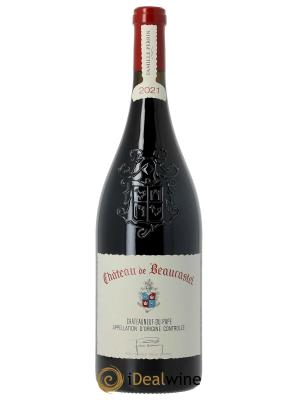
The vines are often head-trained in the gobelet style and the vineyards traditionally planted with different grapes, producing wines made from up to 13 varieties. Grenache, Syrah, Mourvèdre, Cinsault, Muscadin, Vaccarèse, Counoise and Terret Noir can be used the red, and, Picpoul, Clairette, Roussane, Bourboulenc and Picardan for white Châteauneuf-du-Pape. Various soil types can be found, such as galet roulés or rolled pebbles – Châteauneuf’s most famous terroir – as well as fragmented limestone, sand and clay, producing wines with character. The reds show notes of black fruit and the whites have a floral and tropical fruit nose. Obvious names to keep on your watchlist are Château Rayas (Emmanuel Reynaud), Château de Beaucastel (run by the Perrin family), Domaine Pégau, Henri Bonneau and Clos des Papes. But also look out for more reasonably priced names, like Guigal, Clos du Mont Olivet, André Brunel and Charvin.
Châteauneuf-du-Pape

Located in the Vaucluse region between Avignon and Orange, Châteauneuf-du-Pape was home to popes until 1377. All that is left of the “new pope’s castle” overlooking the village are its remains. The village is best known as home of the legendary southern Rhône wine appellation. Châteauneuf-du-Pape was one of the first AOCs in France to be classified in 1936 and covers 3,200 hectares. Lying on the right bank of the Rhône, it borders the appellations of Gigondas and Vacqueyras.

The vines are often head-trained in the gobelet style and the vineyards traditionally planted with different grapes, producing wines made from up to 13 varieties. Grenache, Syrah, Mourvèdre, Cinsault, Muscadin, Vaccarèse, Counoise and Terret Noir can be used the red, and, Picpoul, Clairette, Roussane, Bourboulenc and Picardan for white Châteauneuf-du-Pape. Various soil types can be found, such as galet roulés or rolled pebbles – Châteauneuf’s most famous terroir – as well as fragmented limestone, sand and clay, producing wines with character. The reds show notes of black fruit and the whites have a floral and tropical fruit nose. Obvious names to keep on your watchlist are Château Rayas (Emmanuel Reynaud), Château de Beaucastel (run by the Perrin family), Domaine Pégau, Henri Bonneau and Clos des Papes. But also look out for more reasonably priced names, like Guigal, Clos du Mont Olivet, André Brunel and Charvin.
2021
A
105
2021
A
198
2020
A
40
2020
A
88
2022
260
2022
90
2022
44
2022
A
90
2022
A
400
2022
A
400
2022
A
45
2022
A
36.50
2020
A
180
2009
150
2022
A
50
2021
A
45
2020
32
2010
140
2020
A
850
2020
A
88
2020
A
380
2021
A
90
2016
80
2021
240
2021
42
2015
60
2021
34
2021
A
200
63 | Buy 3, get 10%
2020
A
70
2021
82
2020
34
2021
A
190
2021
32
2024
A
38
2023
A
50
2022
45
2015
50
2007
150
2021
A
80
2022
A
40
2017
190
2020
35
2023
80
2021
A
40
2014
600
2019
110
2023
90
2023
44
2010
70
2022
35
2019
A
170
2022
A
85
2023
A
180
2023
A
95
2022
A
60
2021
A
60
2015
45
2020
50
2022
40
2019
100
2023
A
48
2022
32
2021
A
120
2020
A
50
2022
65
2022
65
2020
36
2024
40
2021
40
2018
110
2023
35
2023
38
2022
115
2021
60
2018
280
2023
A
140