



Wine for sale: Fixed price La Coulée de Serrant
PRODUCER OF THE WEEK
La Coulée de Serrant
★ Partner ProducerClos de la Coulée de Serrant is a true icon of the Val de Loire and Savennières. Nicolas Joly, followed by his daughter Virginie, have used a natural approach since 1984, and all the vineyards are cared for using biodynamic principles.
Clos de la Coulée de Serrant is a true icon of the Val de Loire and Savennières. Nicolas Joly, followed...
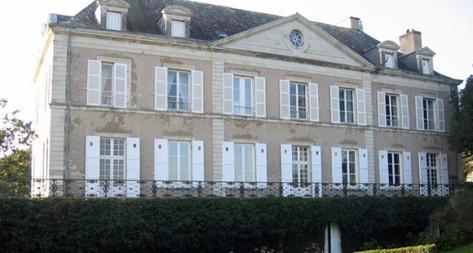
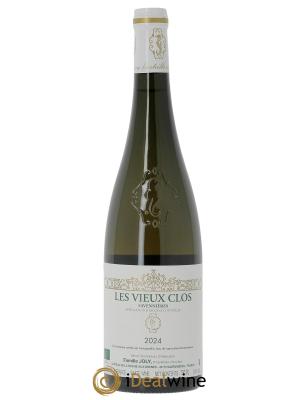
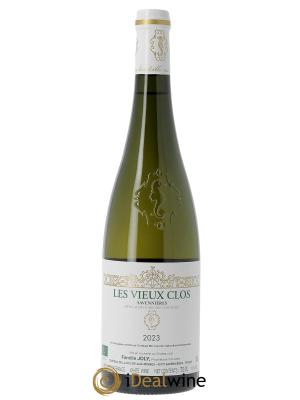
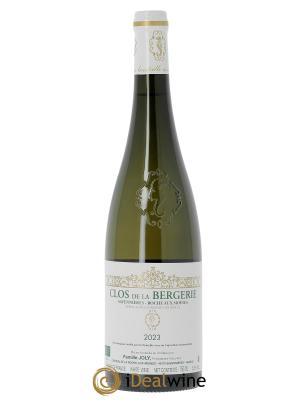
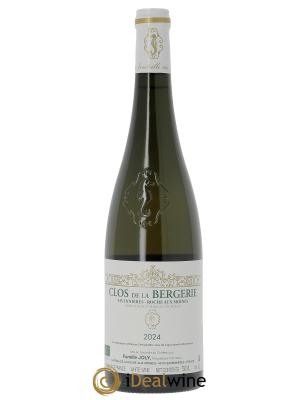
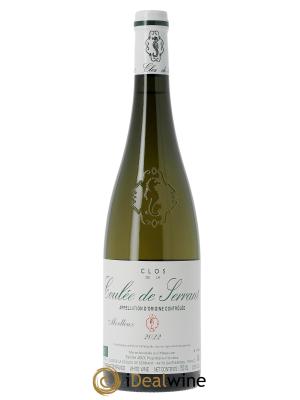
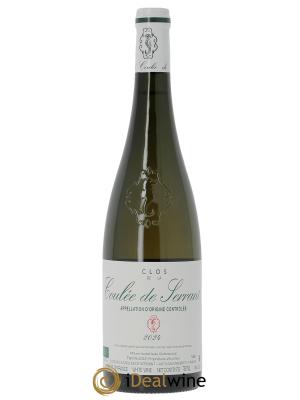
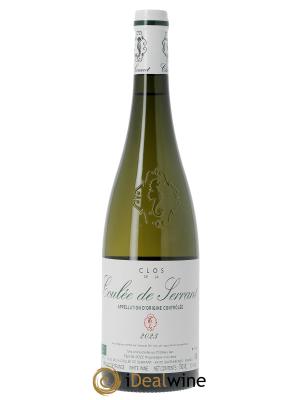
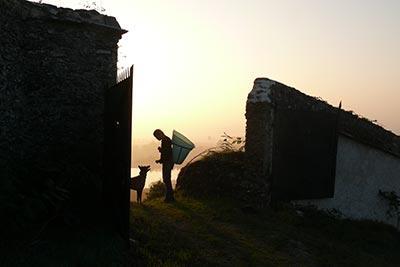
La Coulée de Serrant
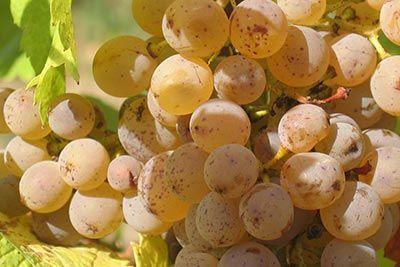
★ Partner ProducerThe Clos de la Coulée de Serrant is a singular appellation, located in the heart of the Savennières appellation, enjoying a climate not dissimilar to that of Burgundy. Planted in the 12th century by the Cistercian monks of the Saint-Nicolas d'Angers abbey, this seven-hectare vineyard is ideally located overlooking the Loire, at the spot where the Serrant stream meets the river itself. Louis XI and Louis XIV had proclaimed this wine to be among their favourites. The plots of land here enjoy a micro-climate caused by the closeness of the river and stream, and are exclusively planted with Chenin Blanc (or Pineau de la Loire), a grape variety that is appreciated for its wonderful acidity and aromatic punch.
All the vineyards in the appellation were slowly bought bought by Nicolas Joly, so that it became solely owned by the estate. Nicolas Joly, a key defender of the use of biodynamics since 1985, uses no chemical fertilisers or pesticides, allowing this exceptional land to be fully expressed through its wines. It combines understanding of the almanac with respect to soil preparation, regeneration, and all the necessary vine care and maintenance required throughout the year. Some treatments are therefore applied to the vines at very specific dates, determined in accordance with the position of the sun, the moon and the stars. In the same vein, allowing the land to be fully expressed through the wine, the estate used new wood in moderation in order not to tamper with its authentic taste.
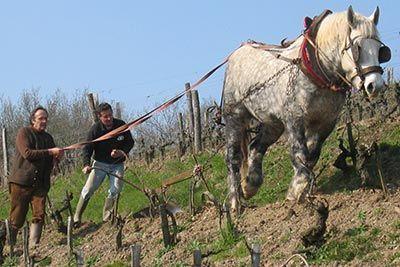
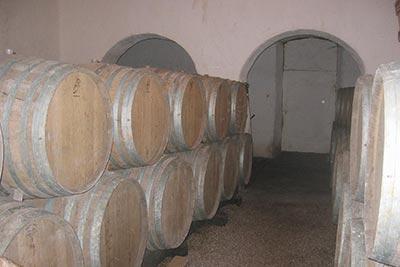
The vineyard is tended to by hand or with the help of a horse and yields are kept to 20-25 hl/h. The vines are aged between 35 and 80 years old. In the winery, vinifications take place in 500L barrels with never more than 5% new wood.
Clos de la Coulée de Serrant is a true icon of the Val de Loire and Savennières. Virginie Joly followed in her father's footsteps, taking over the estate from him (Nicolas Joly) which has used a natural approach since 1984. All the vineyards are cared for using biodynamic principles. With an amazing terroir and plenty of hard work, this legendary name is on everyone's wish list.
The Clos de la Coulée de Serrant is a singular appellation, located in the heart of the Savennières appellation, enjoying a climate not dissimilar to that of Burgundy. Planted in the 12th century by the Cistercian monks of the Saint-Nicolas d'Angers abbey, this seven-hectare vineyard is ideally located overlooking the Loire, at the spot where the Serrant stream meets the river itself. Louis XI and Louis XIV had proclaimed this wine to be among their favourites. The plots of land here enjoy a micro-climate caused by the closeness of the river and stream, and are exclusively planted with Chenin Blanc (or Pineau de la Loire), a grape variety that is appreciated for its wonderful acidity and aromatic punch.
All the vineyards in the appellation were slowly bought bought by Nicolas Joly, so that it became solely owned by the estate. Nicolas Joly, a key defender of the use of biodynamics since 1985, uses no chemical fertilisers or pesticides, allowing this exceptional land to be fully expressed through its wines. It combines understanding of the almanac with respect to soil preparation, regeneration, and all the necessary vine care and maintenance required throughout the year. Some treatments are therefore applied to the vines at very specific dates, determined in accordance with the position of the sun, the moon and the stars. In the same vein, allowing the land to be fully expressed through the wine, the estate used new wood in moderation in order not to tamper with its authentic taste.
The vineyard is tended to by hand or with the help of a horse and yields are kept to 20-25 hl/h. The vines are aged between 35 and 80 years old. In the winery, vinifications take place in 500L barrels with never more than 5% new wood.
Video of the estate La Coulée de Serrant
WHAT THE EXPERTS SAY...
BETTANE & DESSEAUVE
It is a small curved valley on the northern slope of the Loire, a kind of estate of eden hidden in a landscape open on all sides. The coulee-de-serrant is a place where life exults. Nicolas Joly, as an apostle to biodynamic, has made it an iconic brand known around the world. With a sharp sense of observation and experimentation, he has raised this promontory of red shale to its highest level, and even managed to classify these 7 hectares of old chenin vines as an appellation itself.
LA REVUE DU VIN DE FRANCE
The exceptional Coulée de Serrant vineyard extends itself at the edge of a schistose cliff falling directly into the Loire, near Angers. The nature of the area and the quality of its exposure has allowed it to stand out for centuries. Nicolas, brilliant agitator of ideas is a fundamentalist of the biodynamic culture, that he has made his own at La Coulée de Serrant since 1981, date of the first certification.