






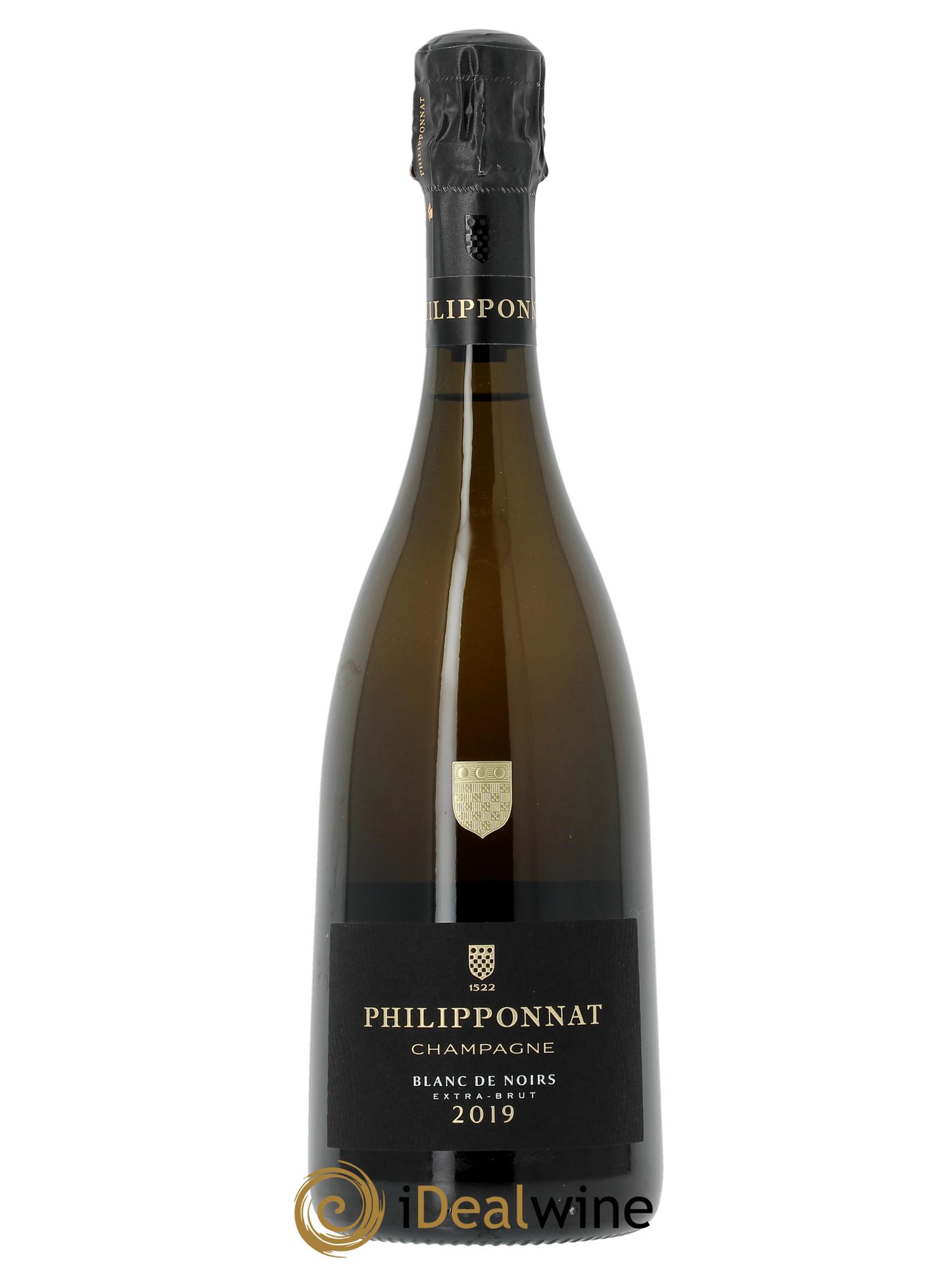
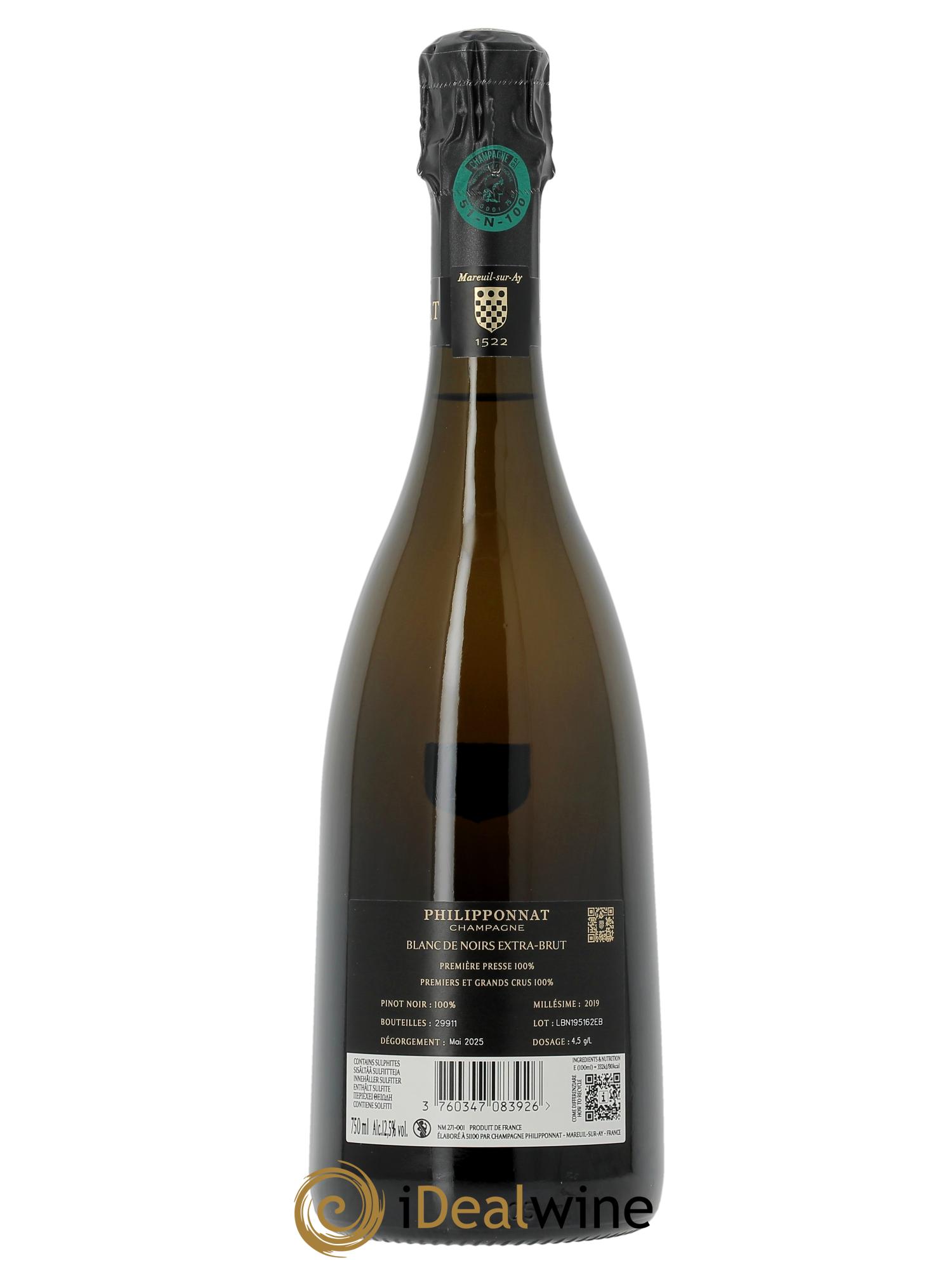
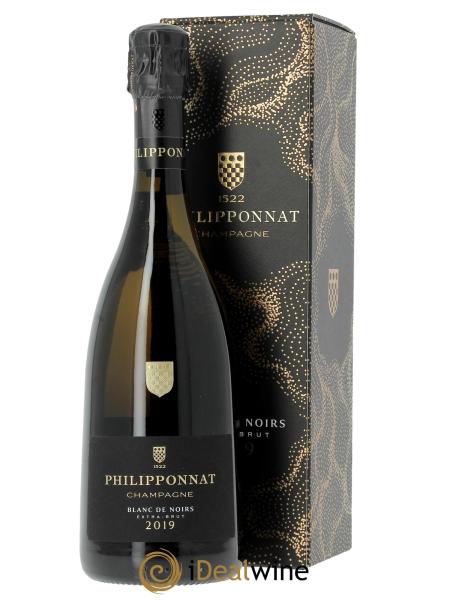
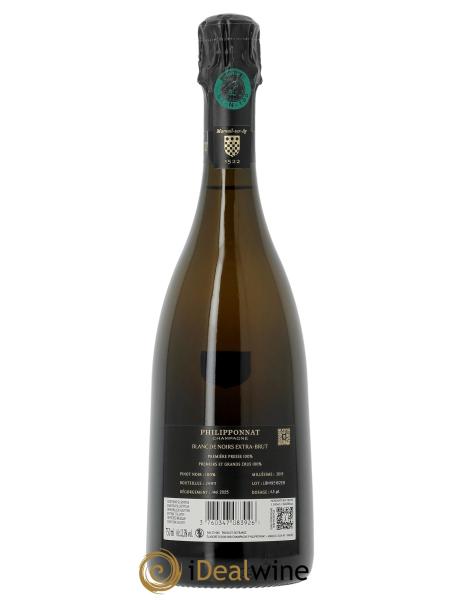
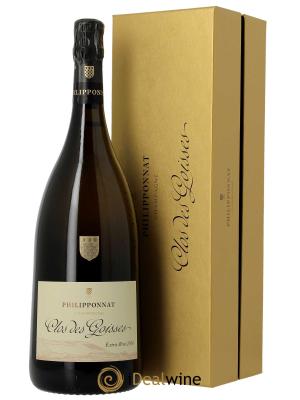
Blanc de Noirs Extra-Brut Philipponnat 2019
Champagne AOC
12.5%
0.75L
Intensity
Philipponnat’s Blanc de Noirs cuvée is produced with 100% Pinot Noir grown on the Premiers and Grands Crus of Mareuil-sur-Al and the Montagne de Reims. It is vinified using the traditional champagne method, with half of the cuvée matured in stainless-steel vats to retain freshness. On the nose, this champagne delivers an intense compexity, with spiced, peppery aromas melding with notes of honey and acacia. The palate delivers fruity aromas from the Pinot Noir as well as a great minerality.





Champagne Philipponnat
★ Partner ProducerMaison Philipponnat traces its roots back to the 16th century, when Apvril Philipponnat was awarded land in Aÿ for fighting in François I’s army at the Battle of Marignan. From that point on, the House developed, and its Champagnes found their way to the tables of princes and even King Louis XIV. Maison Philipponnat as such was founded in Mareuil-sur-Aÿ in 1910, in the former 18th-century cellars of the Château de Mareuil. In 1935, the family acquired Clos des Goisses, a renowned parcel which now produces one of the house's most-well known cuvées.
Today, the vines spread over 20 hectares in Aÿ, Avenay-Val-d’Or, Mareuil-sur-Aÿ and Mutigny, and the House sources additional grapes from selected demanding winegrowers. The House joined the Boizel Chanoine Champagne group in 1997, but the Philipponnat family is still very much present, alongside Charles Philipponnat and today his son François.
In the vineyard, viticultural methods are as natural and respectful of the terroir as possible (no insecticides, grass left between vines). The estate has worked hard to get certificates confirming their commitment to sustainable viticulture. And in the winery, one of the unique techniques used is to preserve reserve wines in solera in oak casks. A medium-sized house producing top end, truly recommended Champagnes.
Detailed characteristics
- Quantity:
- 1 bottle
- Level:
- 1 Normal
- Observation:
- 1 Normal
- Origin:
- producer
- Recoverable VAT:
- yes
- Wooden case:
- yes (à partir de 1 bottle)
- Local excise duty seal:
- no
- Alcohol percentage:
- 12.5 %
- Region:
- Champagne
- Appellation:
- Champagne
- Owner:
- Philipponnat
- Vintage:
- 2019
- Colour:
- sparkling white
- Service temperature:
- 8°
- Viticulture:
- environmentally friendly More information....
- Intensity:
- low dosage
- Leading aroma:
- spice
- Tasting occasion:
- food-friendly wine
- Grape variety:
- Pinot Noir
You might also like...
Similar lots
to statistics for over
150,000 price estimates