


Loading

Welcome to iDealwine, world leader in online wine auctions, and an online shop for Burgundy, Bordeaux, Champagne...

Wine for sale: Château Gruaud Larose

| 57 results
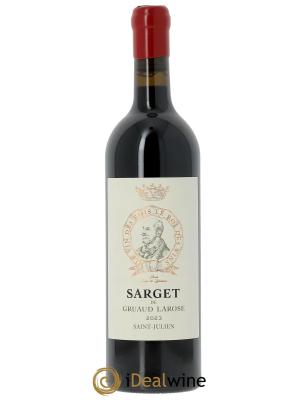
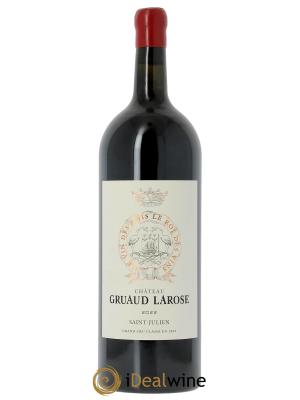
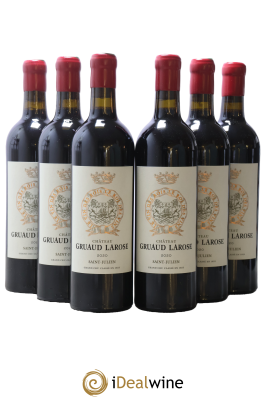
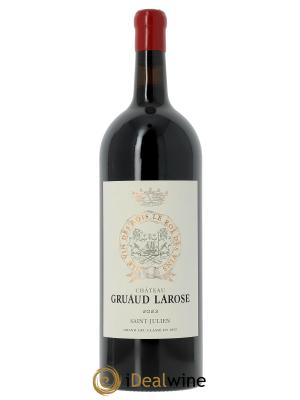
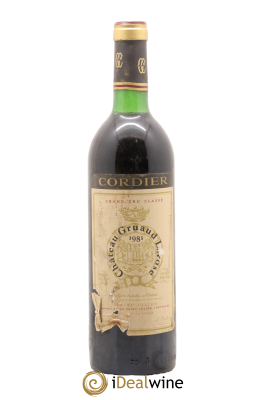
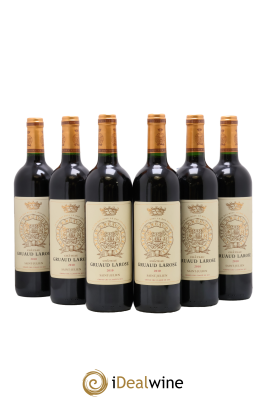
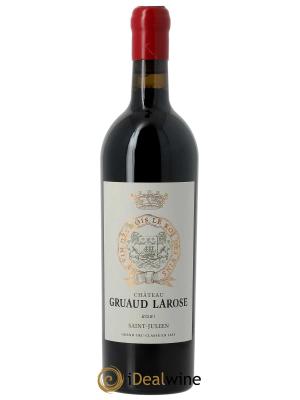
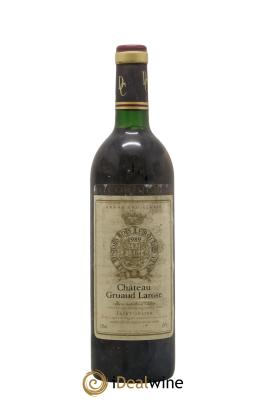
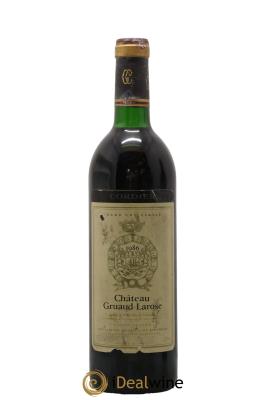
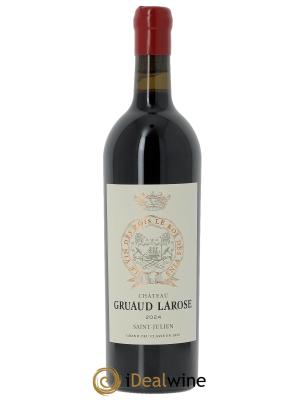
Château Gruaud Larose - 1
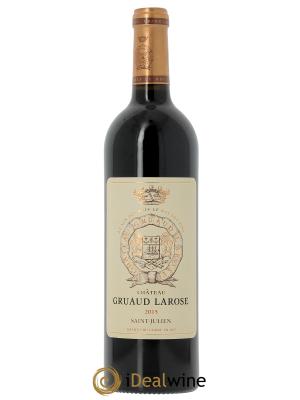
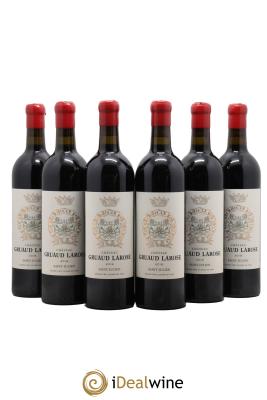
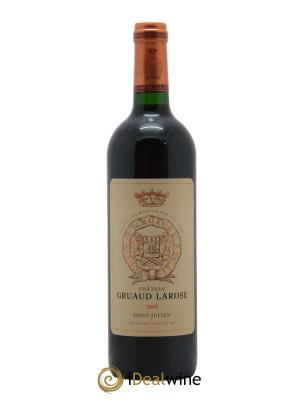
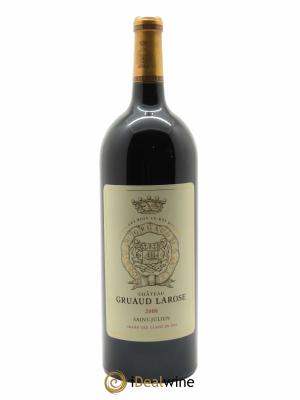
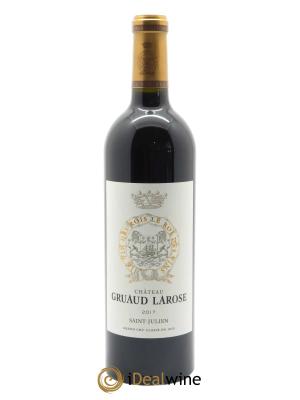
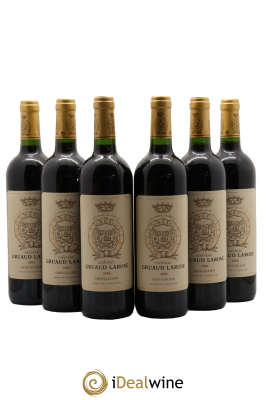
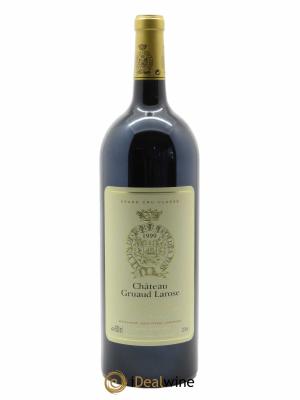
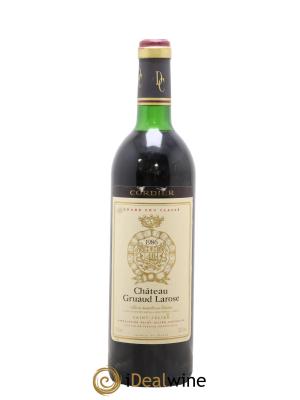
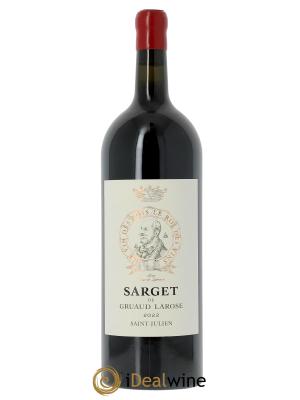
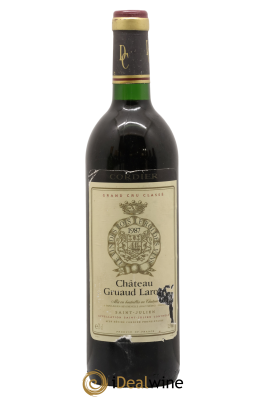
Château Gruaud Larose - 2
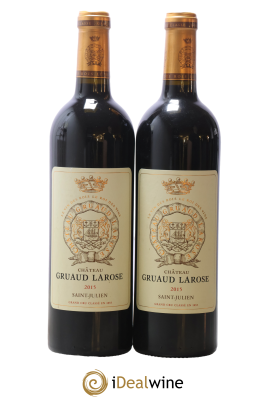
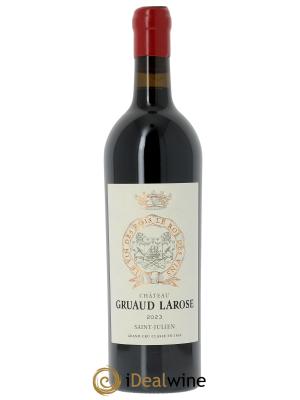
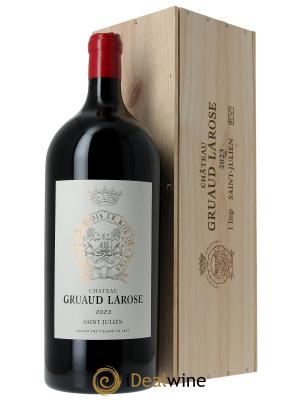
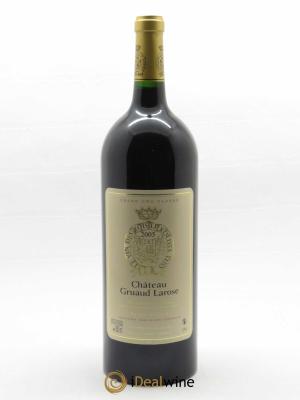
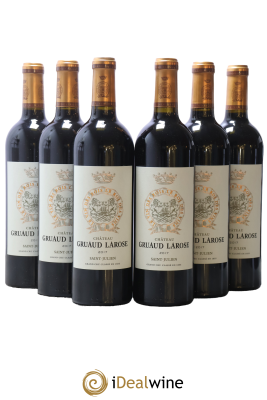
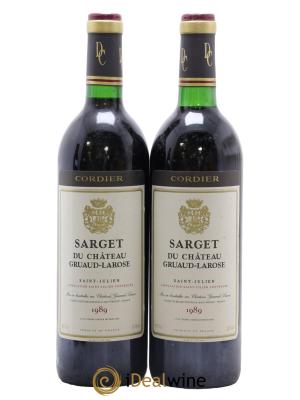
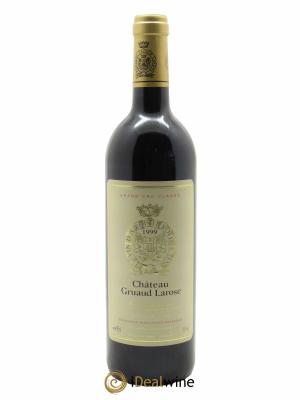
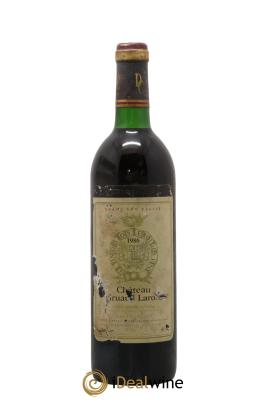
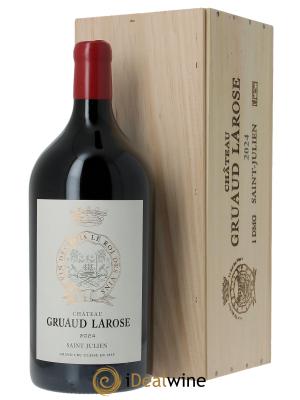
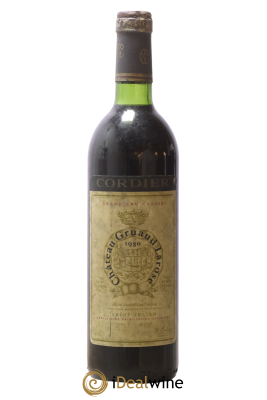
Château Gruaud Larose - 3
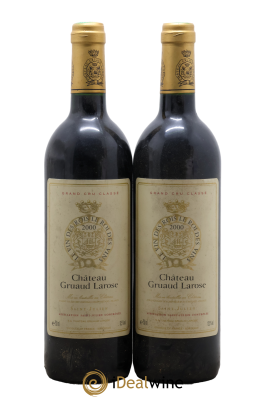
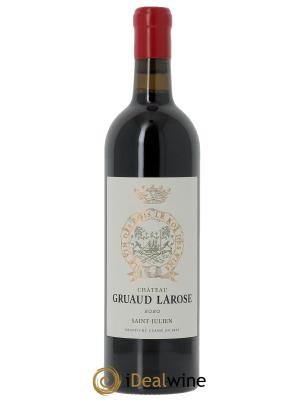
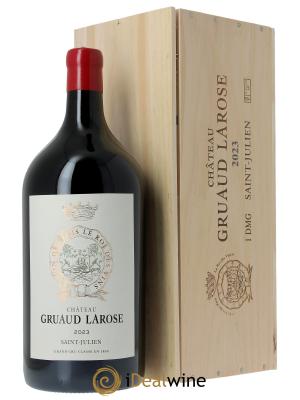
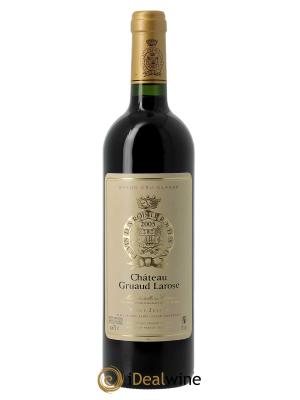
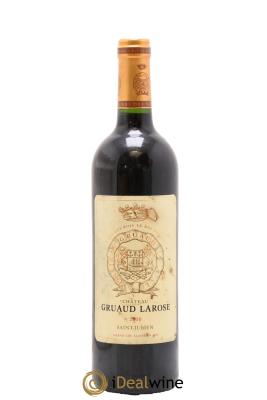
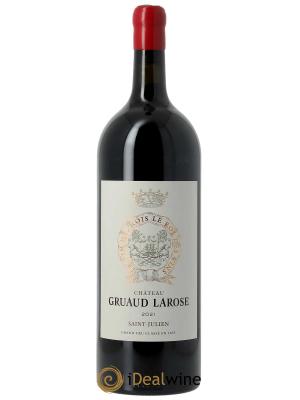
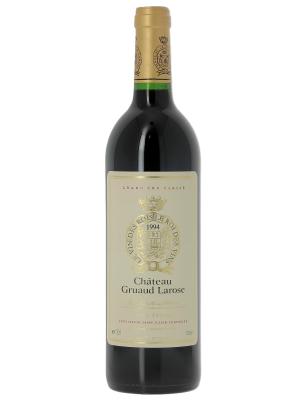
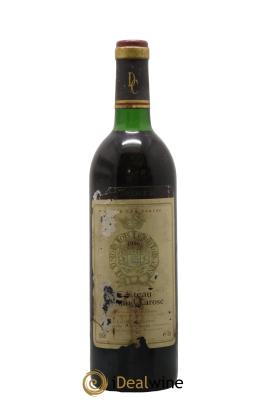
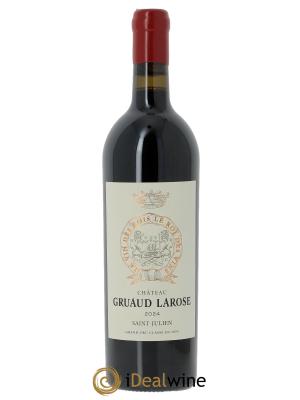
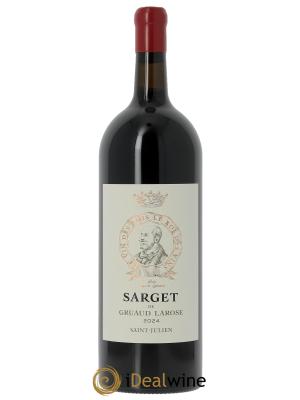
Château Gruaud Larose - 4

Château Gruaud Larose

A benchmark of Saint-Julien, Château Gruaud Larose stands apart for its singular history and its ability to evolve with the times, without ever compromising the excellence that has shaped its legacy.

Gruaud-Larose lies between Branaire-Ducru to the east and Lagrange to the west.The soil in the extensive 82 hectare vineyard consists of medium-sized gravel. In the 18th century the property was owned by the Gruaud brothers and was slightly larger with 115 hectares. One of the brother's son-in-law, Monsieur de Larose, took over the property and worked tirelessly to promote the wine, which eventually came to be served at the royal table, giving rise to the famous inscription that still appears on the label, le roi des vins, le vin des rois (“the king of wines, the wine of kings). This description is well-deserved, Gruaud-Larose being recognized for many years as Saint Julien's most massive wine, and as taking the longest to evolve. However, the property has seen its fair share of ups and downs. After numerous changes of owner during the 19th century, the château suffered the costs of a turbulent inheritance, as a result of which the vineyard was split in 1867. One of the owners was Baron Sarget, after whom the château's current second wine, Sarget de Gruaud Larose is named. The property was purchased by the Cordier group in 1917, who managed, in 1934, to reinstate the two plots that had previously belonged to the vineyard. Gruaud Larose was sold to Alactel Alstom in 1993 and then to the Merlaut family in 1997.
Gruaud Larose wines consistently rank among the very finest produced in the appellation. The vineyard has been fully certified organic since 2022 and is planted predominantly with Cabernet Sauvignon (60%), complemented by Merlot (30%), Cabernet Franc (7%) and Petit Verdot (3%). The estate also draws on practices inspired by biodynamics, notably the use of plant infusions as an alternative approach to combating certain pests, in addition to targeted amendments of trace elements at the base of the vines.
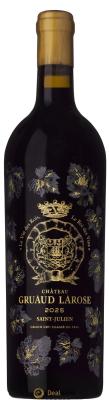
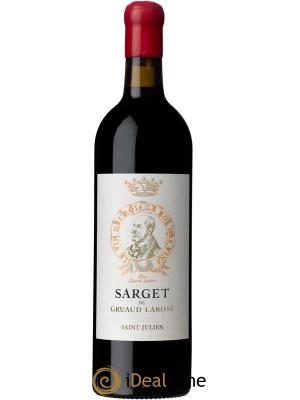
Gruaud-Larose lies between Branaire-Ducru to the east and Lagrange to the west.The soil in the extensive 82 hectare vineyard consists of medium-sized gravel. In the 18th century the property was owned by the Gruaud brothers and was slightly larger with 115 hectares. One of the brother's son-in-law, Monsieur de Larose, took over the property and worked tirelessly to promote the wine, which eventually came to be served at the royal table, giving rise to the famous inscription that still appears on the label, le roi des vins, le vin des rois (“the king of wines, the wine of kings). This description is well-deserved, Gruaud-Larose being recognized for many years as Saint Julien's most massive wine, and as taking the longest to evolve. However, the property has seen its fair share of ups and downs. After numerous changes of owner during the 19th century, the château suffered the costs of a turbulent inheritance, as a result of which the vineyard was split in 1867. One of the owners was Baron Sarget, after whom the château's current second wine, Sarget de Gruaud Larose is named. The property was purchased by the Cordier group in 1917, who managed, in 1934, to reinstate the two plots that had previously belonged to the vineyard. Gruaud Larose was sold to Alactel Alstom in 1993 and then to the Merlaut family in 1997.
Gruaud Larose wines consistently rank among the very finest produced in the appellation. The vineyard has been fully certified organic since 2022 and is planted predominantly with Cabernet Sauvignon (60%), complemented by Merlot (30%), Cabernet Franc (7%) and Petit Verdot (3%). The estate also draws on practices inspired by biodynamics, notably the use of plant infusions as an alternative approach to combating certain pests, in addition to targeted amendments of trace elements at the base of the vines.
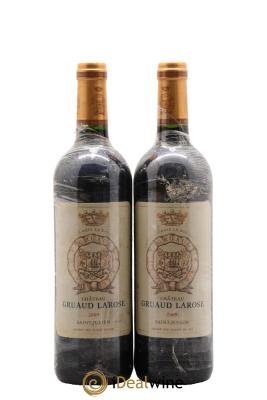
2009
140(starting price)Price per bottle 70
2009
210(starting price)Price per bottle 70
2009
140(starting price)Price per bottle 70
1995
150(starting price)Price per bottle 50
1995
135(starting price)Price per bottle 45
2009
90(starting price)Price per bottle 30
2009
90(starting price)Price per bottle 30
2009
120(starting price)Price per bottle 30
2009
60(starting price)Price per bottle 30
1988
50(current price)
2001
T
110(current price)
2001
T
90
1989
90(current price)
1989
82(current price)
1989
216(starting price)Price per bottle 72
1989
175(starting price)Price per bottle 58.33
2008
T
250
2005
T
325
1984
180(starting price)Price per bottle 60
1985
72(starting price)
1985
216(current price)Price per bottle 72
1985
194(starting price)Price per bottle 64.67
2008
50(starting price)
1996
120(current price)Price per bottle 60
1986
80(starting price)
1982
280(current price)
1982
560(current price)Price per bottle 280
2018
29
2012
65
1999
T
120
1984
126(starting price)Price per bottle 63
1984
126(starting price)Price per bottle 63
1984
189(starting price)Price per bottle 63
2023
T
780
2023
T
380
2022
T
210
2022
T
105
2021
T
180
2017
T
270(current price)Price per bottle 45
2006
50(starting price)
1976
85(current price)
2023
29
2022
T
65
2013
15(starting price)
2003
40(starting price)Price per bottle 20
2001
15(current price)
1998
20(starting price)
1995
25(starting price)
Available soon
2020
29
Availability alert
Available soon
Price estimate for Château Gruaud Larose

WHAT THE EXPERTS SAY...
BETTANE & DESSEAUVE

LA REVUE DU VIN DE FRANCE