



Loading

Wine for sale: Muscat

| 38 results

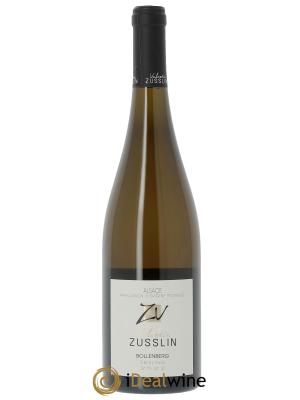
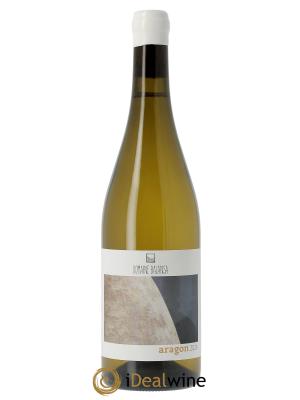
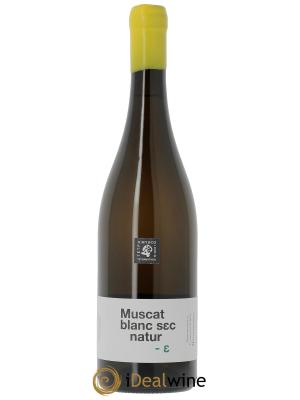
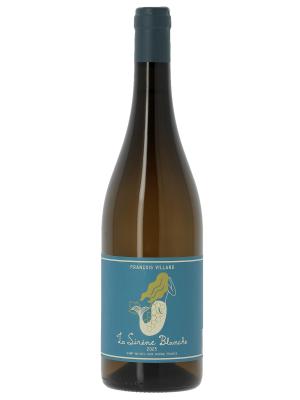
Muscat is actually a family of varietals rather than a single kind of grape. All Muscat grapes need relatively dry and warm conditions to mature in a way that produces good wine. Said wines, often sparkling or fortified, tend to have an aromatic intensity centred around notes of fresh grape. The Muscat name comes from the light, musky notes it can develop. The best-known of this varietal family is the white Muscat (muscat blanc à petits grains), a complex grape that carries aromas of peach, rose and citrus, as well as subtle notes of caramel and coffee when matured. This varietal is the base for many natural sweet wines (Rivesaltes, Beaumes de Venise, Saint-Jean de Minervois...), Asti wines, and the famous Australian muscats from Rutherglen. Muscat Ottonel is the varietal often used to make the dry whites of Alsace, revealing another facet of this grape’s repertoire. This is one of the region's so-called "noble" varietals, though it represents no more than 3% of the vines grown there.
Muscat

Muscat is actually a family of varietals rather than a single kind of grape. All Muscat grapes need relatively dry and warm conditions to mature in a way that produces good wine. Said wines, often sparkling or fortified, tend to have an aromatic intensity centred around notes of fresh grape. The Muscat name comes from the light, musky notes it can develop. The best-known of this varietal family is the white Muscat (muscat blanc à petits grains), a complex grape that carries aromas of peach, rose and citrus, as well as subtle notes of caramel and coffee when matured. This varietal is the base for many natural sweet wines (Rivesaltes, Beaumes de Venise, Saint-Jean de Minervois...), Asti wines, and the famous Australian muscats from Rutherglen. Muscat Ottonel is the varietal often used to make the dry whites of Alsace, revealing another facet of this grape’s repertoire. This is one of the region's so-called "noble" varietals, though it represents no more than 3% of the vines grown there.
2023
A
21
2023
A
25
2022
A
24
2023
A
22
2022
A
K
37
2023
A
K
30
2024
A
11.30
25.65 | Buy 3, get 5%
2021
A
27
2022
49
2014
150(starting price)Price per bottle 50
2014
150(starting price)Price per bottle 50
2021
49
2016
50(starting price)
2016
100(starting price)Price per bottle 50
2020
50
2012
50(starting price)
2012
100(starting price)Price per bottle 50
2023
A
24
2021
A
45
2022
25
2023
A
37
2018
150(starting price)Price per bottle 50
2022
17.50
2024
A
K
19
2015
60(starting price)
2015
120(starting price)Price per bottle 60
2011
50(current price)
2011
100(starting price)Price per bottle 50
2021
A
19
2024
A
105
2022
A
25
2013
150(starting price)Price per bottle 50
2013
50(starting price)
2013
150(starting price)Price per bottle 50
2007
60(current price)
2022
A
11.90
2024
A
37
Available soon
2021
270
Availability alert

The muscat blanc mentioned above is also known as Muscat d'Alsace since that, too, is grown in the area. Whilst these Muscats tend to give dry wines, they can also be harvested late in the season, or even in sélection de grains nobles to make sweet and dessert wines. We should also cite the Muscat d'Alexandrie varietal which is used to make natural sweet wines in France (permitted in the AOC Rivesaltes, for example), as well as Spanish Moscatels and demi-sec wines in countries slightly newer to wine-making such as Australia, America and South Africa. To cover all bases, the Sauternes Muscadelle is a Muscat variety, as is the Aleatico Noir of Elba Island (Italy). These wines tend to be made to drink young.