




Alsace Grand Cru Schoenenbourg Riesling Vendanges Tardives Marcel Deiss (Domaine) 1995
Information
Jean-Michel Deiss, (the son of Marcel Deiss, who established the property in 1949) currently manages the 27 hectares of vines, which are planted on some of Alsace's finest terroirs, including the grand cru Altenburg de Bergheim. Jean-Michel Deiss grows his vines according to biodynamic principles, a philosophy that prohibits any form of chemical treatment and combines an understanding of cosmic rhythms with work on the soil and the vines. The objective? To encourage the vines to develop as deep a root system as possible in the subsoil, thereby giving full expression to the terroir. Despite being an acknowledged master of the art of making single varietal wines such as Pinot Gris and Riesling, this exceptional winegrower has waged a veritable campaign against the traditional Alsace approach of regarding the grape variety as the essence of the wine, and granting negligible importance to the terroir. Thus he has reintroduced ancestral practices such as mixed planting of all of the traditional varieties (Riesling, Gewurztraminer, Pinot Gris) on the same plot, with no sorting at the harvest. The terroir then comes to the forefront, free to fully express itself without the omnipresent constraint of a single variety. After years of campaigning, Jean-Michel Deiss finally succeeded in obtaining authorisation for the application of the terms "Grand Cru" and "Premier Cru" (previously reserved for traditional cuvées) to these "vins de terroir". The names of the grape varieties have not appeared on the labels since 2005. . His son, Matthieu Deiss, who also owns Vignoble du Rêveur has taken over the reins.
More information : Read the article about domain Marcel Deiss on the blog
Vendanges Tardives in Alsace refers to wines made from grapes left to ripen late on the vine. Regulations require a minimum level of natural sugar at harvest. The Riesling grapes come from parcels where Kimmeridgian, marl-limestone soils, rich in marine fossils, impart saline minerality, tension and liveliness that perfectly counterbalance the concentration and natural sweetness of late-harvested fruit. Manual, selective harvests are followed by slow, gentle pressing in the winery. Fermentation then proceeds spontaneously. The cuvée is subsequently aged for an extended period on fine lees before being bottled with a light filtration.
The deep golden hue shows bright, alluring highlights. The bouquet offers orange peel, citrus fruit, honey and dried floral notes, lifted by mineral nuances. On the palate, a silky yet lively texture leads gently into a saline, persistent finish.
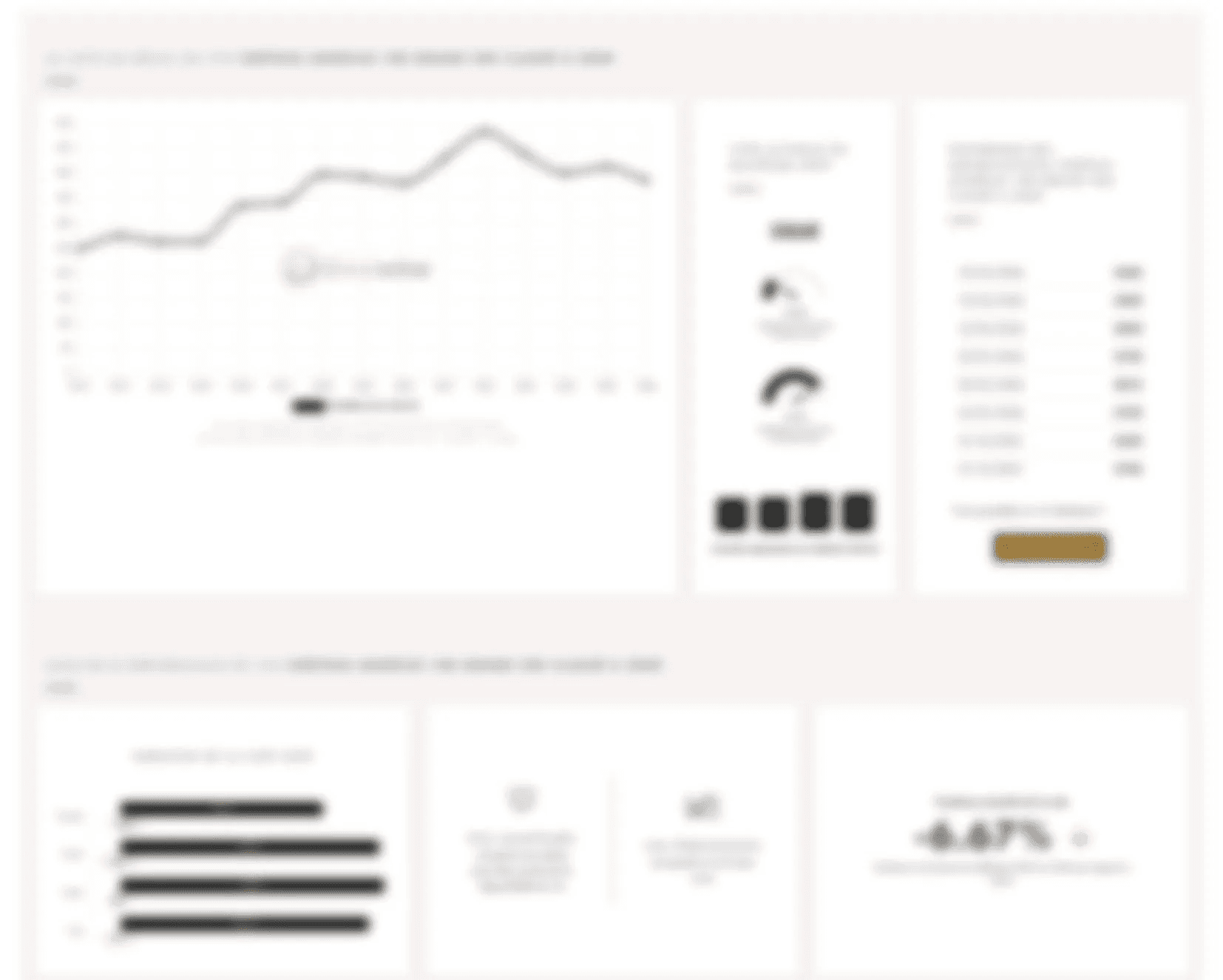
Price estimate for wine from the same producer
- Region:
- Alsace
- Producers and wineries:
- Marcel Deiss
- Colour:
- sweet and dessert wine
- Grape variety:
- Riesling
- Food and wine pairings:
- Tarte tatin aux pommes caramélisées, Poulet au curry doux et lait de coco, Munster affiné
- Appellation:
- Alsace Grand Cru
- Owner:
- Marcel Deiss (Domaine)
- Viticulture:
- biodynamic More information....
- Service temperature:
- 12°
to statistics for over 150,000 price estimates