1. History of Jura wines
A region renowned for wine since ancient times
Jura is one of the oldest winegrowing regions in France. Like in many of France’s wine regions, viticulture in Jura dates back to the Gaulish period, when wine was already being exported by river to the rest of the Roman Empire and Greece. Jura wines enjoyed a good reputation in ancient times, and were even mentioned in Pliny the Younger’s letters, in 80 AD.
Jura wines from Arbois, Poligny and Château-Chalon were appreciated by the French court as early as the 13th century. There is written evidence, for example, that Marguerite of Burgundy, Queen of Navarre and France through her marriage to Louis the Quarrelsome (Louis X), had her private residence in Paris supplied with Arbois wine, in around 1300.
In the 15th and 16th centuries, these wines were even exported to Flanders and Arbois is said also to have been Henri IV's favourite wine.
With the French Revolution, many peasants became landowners. This boosted the development of winegrowing, particularly in Jura, up to the late 19th century.
1700s to 1900s: A gradual decline in quality and quantity
Around 1880, Jura’s vineyards covered an area of almost 20,000 hectares, before the phylloxera epidemic hit the region severely. Following the first occurrences in the late 1870s, severe outbreaks in 1886 and 1887 eventually reduced the area under vine to just 2,000 hectares, which is roughly the same figure as today. However, phylloxera was not solely responsible for the wine region’s collapse in size. In 1913, after the vineyards had been replanted with grafted vines, Jura had 10,400 hectares under vine, around half the figure at its peak.
Winegrowing in Jura in fact declined gradually (in 1924, for example, Jura’s vineyards covered 8,850 Ha), largely due to its poor adjustment to the modern economy and wine demands. Indeed, after phylloxera, Jura’s vineyards were mainly replanted with ordinary, low-grade vines, particularly hybrid varieties, producing mediocre quality wines for everyday, local consumption. These wines faced competition from other regions like the south of France, and their production became less and less profitable.
However, it would seem that the quality of the vines had begun deteriorating in Jura even further back than that. Chevalier, a magistrate from Poligny with a passion for viticulture, wrote as far back as 1774 about the wine region’s decline as a result of the invasion of “large plants”, which apparently spread from the mid-17th century, following the partial destruction of the vineyards by the Thirty Years’ War. Some estates, notably those belonging to aristocrats and several bourgeois owners with less pressure on them to produce high volumes, had kept their traditional vines and therefore continued to produce fine wines. Aside from these exceptions, by this time, Jura wines had generally lost their quality and their reputation. They were consumed mainly locally, in Switzerland and eastern France, and were sometimes even blended with wines from the Midi. Some winegrowing areas, such as Château-Chalon and Arbois, still had a good reputation, notably because they had preserved much more of their historic, noble vines. Alphonse Rousset wrote1 that in Château-Chalon, “the wines known as vins de garde rival Tokay and appear with honour on the table of sovereigns” and that in Arbois, “as well as excellent red wines, they produce clairet wines that are as wholesome as they are pleasant, vins mi-paille [semi-straw wines], white wines and rosé wines; these mellow, spirited wines, are very good dessert wines; vins de paille imitating Malaga; Vin Jaune s that hold their own against dry Madeira and sparkling white wines that alone would be sufficient to uphold the high reputation of Arbois wines.” It was around Arbois that winegrowing resisted the decline best, although Poligny wines were also still highly reputed in the mid-19th century, particularly the reds and vins de paille.
The 1930s: Recognition of Jura’s AOCs
Jura is home to some of France’s very first AOCs. On 15 May 1936, Arbois became an appellation d’origine contrôlée – at the same time as Châteauneuf-du-Pape, Tavel, Cassis and Monbazillac – thanks in particular to Joseph Girard, an Arbois winegrower who championed the AOC project. In 1936 and 1937, four AOCs were awarded in Jura, including Arbois, Château-Chalon, L’Étoile and Côtes du Jura.
Jura today: A tiny, luxury wine region
As Michel Chevalier wrote in his Revue géographique de l’Est in 1963, “For the time being, the Jura wine region, with its small surface area and limited, random yields, can only be a luxury wine region”, citing for reason the high price of its wines (especially for Arbois, Château-Chalon, and Vins Jaunes and vins de paille in general), as well as their scarcity. These same features still characterise the region and partly explain the success, rarity and desirability of Jura wines today.
In the latter half of the 20th century, Jura’s wine production was consumed locally, in Paris and Belgium, and by Jura’s passing clientèle. The situation changed little for years, except that production as a whole improved in quality and modernised, as was the case everywhere. Henri Maire, a descendant of a long line of Jura winegrowers, made a major contribution to this revival and modernisation, creating a veritable winegrowing and business empire, with 300 hectares out of the 2,000 in Jura.
From 2000 to 2010, Jura wine entered a new phase in its history, when it gradually came to the attention of the French public. Today it is known around the globe, and Jura is even one of the most sought-after wine regions in France, and the world, at least for connoisseurs.
Indeed, prior to 2000, Jura wines were especially divisive and remained the preserve of connoisseurs. This was because much of the production focused on the very particular oxidative vin-jaune style, which can be difficult to appreciate at first. Only a small amount of red was produced and non-oxidative whites (known as vin ouillés to differentiate them from the region’s traditional oxidative style) were few and far between.
Jura wines: From “love or hate” to success story
Several factors explain the gradual rise to success of Jura wine, as analysed in issue 139 of the wine magazine Le Rouge & le Blanc. One of these is the rise in price of Burgundy wines. The latter, produced from Chardonnay and Pinot Noir – varieties also largely present in Jura’s vineyards – have risen significantly and constantly in price, to the point that they are now completely inaccessible to some of their traditional customers. This clientèle thus began taking an interest in neighbouring wine regions and appreciated the quality of Jura wines, mainly those made from Chardonnay, to begin with, and then gradually the region’s other wines.
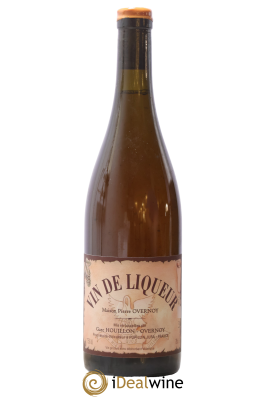
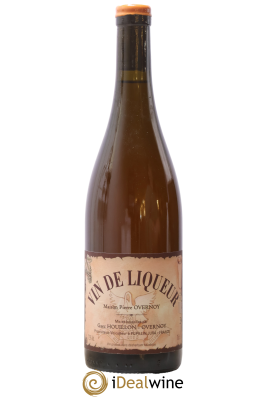
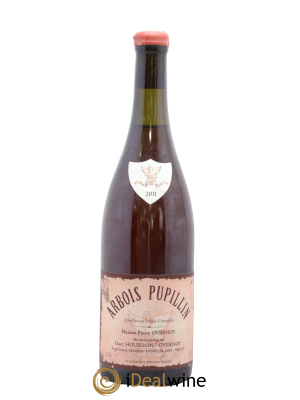
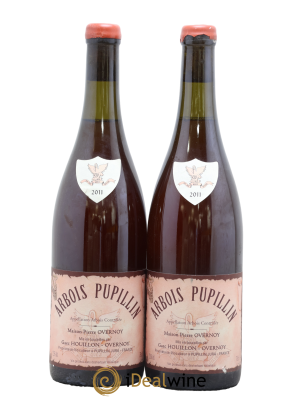
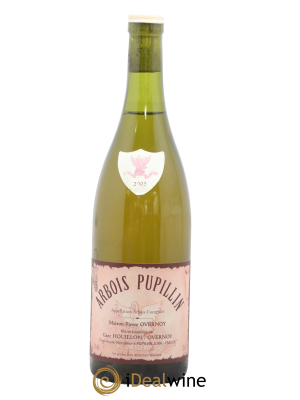
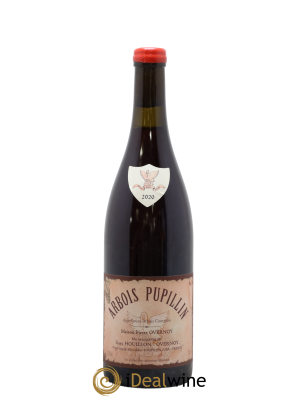
Jura’s reputation among connoisseurs also owes a great deal to the enormous efforts that many producers have put into producing the best possible wines, and in particular to one iconic producer that paved the way for others – the Overnoy-Houillon estate, considered as a true precursor of fine Jura wine and premium natural wine. Other top-quality estates, often working to organic and natural winemaking standards, have worked hard to raise the profile of the region’s wines, through their work in both the vineyards and winery, and also at trade fairs and tastings of all kinds. The Nez dans le Vert association, in particular, brings together some of Jura’s best organic winegrowers and has been promoting them since 2010, presenting their wines to wine merchants and restaurants all over France. And the work has paid off, if not almost too well!
Another decisive factor in the success of Jura wines is the growing popularity for wines made with organic, biodynamic and natural methods and the fact that the region embraced these early on. Jura is one of the most organic wine regions in France, with 35% of its vineyard area certified organic, which is almost double the national average.
The scarcity of Jura wines evidently plays a significant role in their desirability. The wine region covers just 2,000 hectares and is particularly affected by climate change. Harvests are regularly drastically reduced or even completely wiped out as a result of frost, and, to a lesser extent, drought and mildew. This was the case, for example, for the 2017, 2019, 2021 and 2024 vintages, in which more than 70% of Jura’s harvest was lost. The fact that some Jura grape varieties, such as Poulsard, are particularly vulnerable to weather extremes, only exacerbates the phenomenon.
Last but not least, it is also of course the taste and high overall quality of Jura wines that explain their enormous success. Jura wines are well matched to the changing tastes that we have seen among wine enthusiasts in recent years, which may also explain the growing enthusiasm for them. In fact, you could describe Jura white wines as having unique identities. Whether it be Savagnin and its entirely singular profile or even Jura Chardonnay, whose expression is very different to that of neighbouring Burgundy, Jura wines are terroir wines with a very distinct personality. These original, characterful wines are a far cry from the standardised wine tastes that you sometimes find in Chardonnay, for example, from different parts of the world. The freshness and lightness of Jura wines make them a perfect match for new consumer tastes and today’s fresh, airy contemporary cuisine. The same can be said of Jura red wines, too, whose grape varieties – Pinot Noir, Poulsard and, to a lesser extent, Trousseau – produce very elegant, light, deliciously fruity wines that are totally in tune with the times, and enjoyable on their own or with a light meal.
Jura, in the spotlight for 20 years now
The Jura wine phenomenon gradually spread beyond the circle of connoisseurs. Sommeliers in New York and Tokyo fell in love with Jura wines, and they were soon sought-after in Paris, too. Consequently, since around 2010 and especially since 2015, demand for fine wine from Jura has far outstripped supply, causing prices to spike. Bottles over €1,000 are no longer rare for estates like Overnoy, Domaine des Miroirs and Domaine des Murmures, and some old vintages and rare bottles even exceed €2,000. Fortunately, aside from the star producers, there are also a good number of smaller estates, old and new, which although less well-known, produce excellent wines at more widely affordable prices (see our selection of Jura wines at pleasing prices below).
2. Geography, geology and climate of the Jura wine region
The Jura wine region boasts a wide variety of terroirs, with different weather conditions, landscapes and soils, contributing to the quality and uniqueness of its wines.
Geography of the Jura wine region
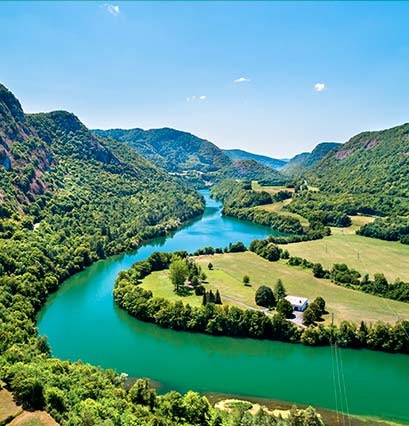
The Jura wine region is in the foothills of the Jura Mountains, neighbouring the wine regions of Burgundy and Alsace. Its vineyards grow at 250 to 400 metres above sea level, extending along a narrow north-south strip around 80 kilometres long and five kilometres wide at its widest point. The winegrowing area, which actually overlaps into part of the region of Bresse, has approximately 2,000 hectares of vineyards, making it one of the smallest wine regions in France.
Geology of the Jura wine region
Jura’s unique geology is one of the reasons for the originality of its wines. The rich and ancient geological history of the region can be summed up in three main phases:
- Deposition of marine sediments (i.e. limestone, marl and clay) by the seas of the Secondary Period (around 200 million years ago) and of salt and the sedimentary rock gypsum, by evaporation
- Uplift of Jura’s terrain after the seas retreated, the collapse of Bresse (the natural region stretching from the Saône in the west to Doubs in the north and Jura in the east), and the slip of the edge of the Jura massif onto the Bresse plain as a result of the uplift of the Alps (between 100 million and 2 million years ago)
- Alteration, freezing and thawing, and erosion (in the Quaternary).
Jura’s shift into Bresse and its impact on the local geology was therefore instrumental in making Jura a great winegrowing area, where the other soils around it are unsuited to viticulture.
Jura’s vineyards have a tremendously diverse range of soils, which is largely the result of their 250-million-year-long geological history. The extremely compact marl subsoil makes it very difficult for the vines to take root, so they tend to establish themselves in the topsoil, which generally consists of clay. The root profile in Jura tends therefore to be horizontal rather than deep.
Climate of the Jura wine region
Jura’s climate is semi-continental, with very cold winters and hot summers. Rainfall in the region is well distributed throughout the year.
3. Jura appellations
Jura has eight AOCs: Four sub-regional AOCs (Château-Chalon, Arbois and Arbois-Pupillin, L’Etoile and Côtes-du-Jura) and three style-specific AOCs (Crémant du Jura, Macvin du Jura and Marc du Jura), which can be made across the entire wine region. Jura also has a PGI, the IGP Coteaux-de-l’Ain Revermont. Over 90% of the planted area in Jura is dedicated to AOC wine.
Arbois and Arbois-Pupillin
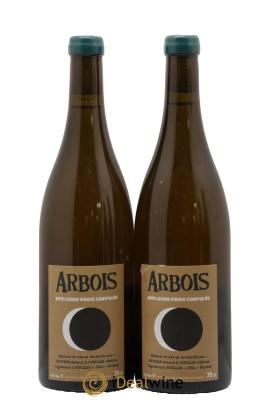
As mentioned, Arbois was one of France’s first AOCs, established along with four others in 1936. It is the largest of the Jura appellations, covering just under 800 hectares (out of 2,000 in Jura).
The Arbois AOC covers 12 villages: Arbois, Abergement-le-Grand, Les Arsures, Mathenay, Montigny-les-Arsures, Mesnay, Molamboz, Les Planches-près-Arbois, Pupillin, Saint-Cyr-Montmalin, Vadans and Villette-les-Arbois.
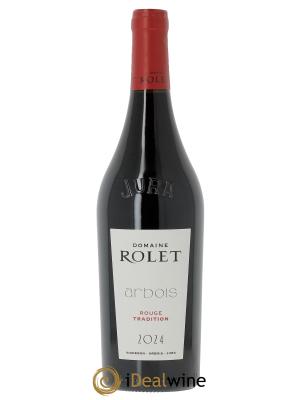
Jura’s five grape varieties are all allowed within the appellation area, but a major share of Arbois production (70%) is red wine due to the particularly favourable terroir. Indeed, the soil type, south-facing orientation and sloping nature of many of the plots provide the warmer conditions that suit Jura’s red varieties. The soil is composed of deep, iridescent, siliceous clay and compact marl, and the Arbois area is sheltered from the wind by the limestone ledge that overhangs it.
Arbois is one of the best-known Jura appellations and the town of the same name regularly hosts events relating to Jura wines, such as the Percée du Vin Jaune wine festival and the Nez dans le Vert tasting show.
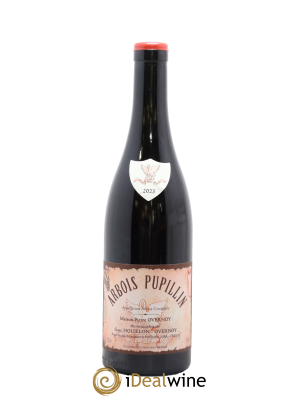
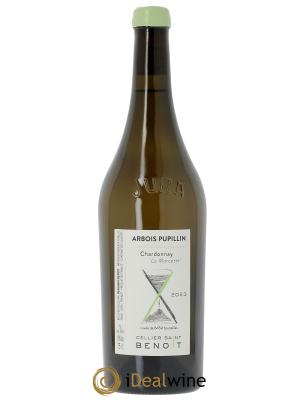
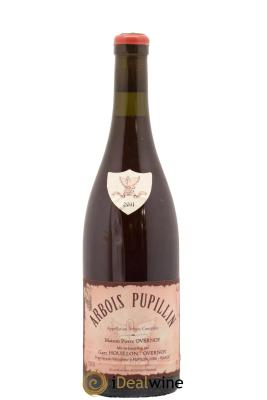
AOC Arbois-Pupillin is a sub-appellation of Arbois with a complementary geographical denomination. It covers 300 hectares, spread across the village of Pupillin, south of Arbois, and has a distinctive terroir, characterised by steep slopes and marl soils. The area is particularly well-suited to growing Poulsard and Savagnin grapes and boasts several renowned estates, including the famous Overnoy-Houillon.
Château-Chalon
Château-Chalon is a historic winegrowing area whose vineyards are thought to have developed in the Merovingian era, around a former abbey for noble women. The AOC was officially established on 29 May 1936, a fortnight after Arbois.
In 1961, its vineyards covered just 25 hectares, compared to 60 hectares today, making it a much smaller appellation than Arbois.
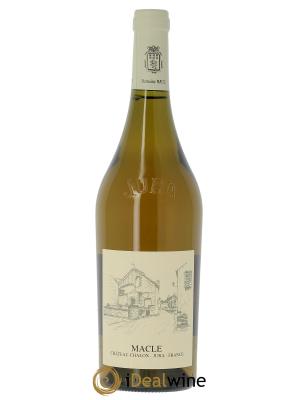
Château-Chalon is a rare appellation that can be used only for Vins Jaunes. These must be made exclusively from Savagnin grapes, with maximum yields of 20 hl per hectare and aged under flor (sous voile) in oak for a minimum of six years and three months.
The area is steep, with slopes of up to 40%, and the vineyards are terraced. Above them sits the charming village of Château-Chalon. The soils in this area are composed of grey Lias marl and Lower Toarcian paper shale, a clayey sedimentary rock with a flaky structure and paper-like consistency. The vines root well in between the thin sheets of this rock, increasing their surface area for absorption. This soil type is ideal for growing Savagnin grapes.
L'Etoile
This appellation was created in 1937 and covers an area of around 60 hectares around the municipality of L’Etoile, in Plainoiseau, Quintigny, Saint-Didier and Ruffey-sur-Seille.
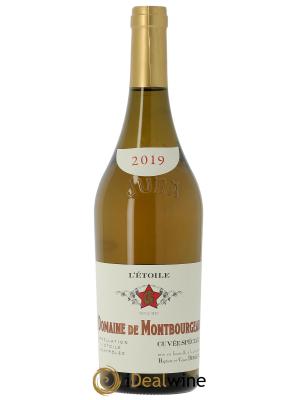
The AOC can be used only for white wine (including Vin Jaune). Most of the plantings in this area are Chardonnay, but there is also some Savagnin and, to a lesser extent, Poulsard, particularly for making vin de paille.
The subsoil of this appellation area is composed of blue and grey marl.
Côtes-du-Jura
The Côtes-du-Jura appellation is the most geographically extensive of all Jura’s AOCs and Jura’s second largest AOC in terms of vineyard area, after Arbois. This generic regional appellation, created in July 1937, stretches from the north to the south of the region, covering around 550 hectares and encompassing a wide variety of terroirs and 105 villages.
The five grape varieties of the region and the different Jura wine styles are produced under the appellation.
4. Jura grape varieties
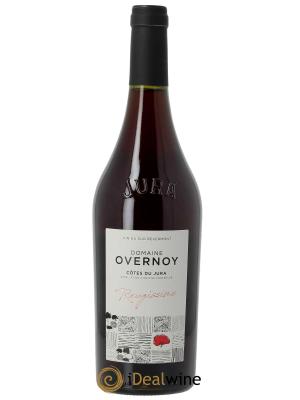
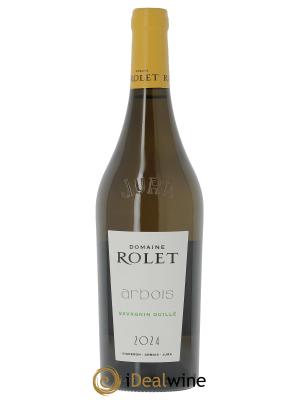
Five grape varieties are permitted in the region – Savagnin and Chardonnay for whites, and Poulsard, Trousseau and Pinot Noir for reds.
White grape varieties of Jura
Savagnin
This ancient grape variety is thought to have originated in a region encompassing north-east France and south-west Germany, and is a member of the Traminer family, from which Gewurztraminer descended. Historical and genetic data2 suggest that it was born either from a natural cross between Pinot and an unknown grape variety, or from a natural cross between two even older, unknown and probably now extinct grape varieties, or from the domestication of wild vines, if Savagnin is indeed the parent of Pinot and not the other way round. If this latter theory were true, it would confirm another theory according to which the word Savagnin is derived from the word “sauvage” (meaning wild in French).
Most Savagnin is grown in Jura, however, Switzerland, Germany, Austria, Australia and New Zealand also grow the grape in lesser proportions.
Savagnin produces small bunches of thick-skinned berries, with sweet, juicy flesh. It is a vigorous variety that buds relatively early but ripens particularly late and is often the last variety to be picked.
It produces great wines with long-ageing potential that are powerful, fleshy and remarkably well-balanced in terms of alcohol and acidity. It gives aromas of almond, honey, hazelnut, fresh walnut and chestnut, as well as floral notes or notes of green apple.
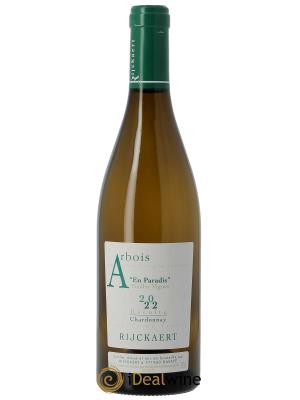
Chardonnay
Chardonnay, now one of the best-known grape varieties in the world, is thought to have originated in eastern France, between Burgundy and Champagne. The grape takes its name from the village of the same name in the Mâconnais region. Genetically, it is a natural cross between Gouais Blanc and Pinot.
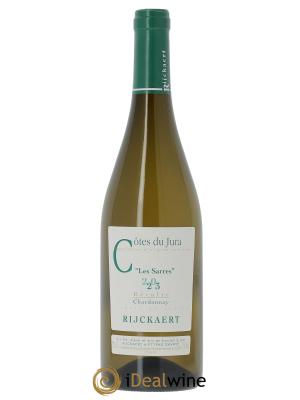
This world-famous variety has flourished on the terroirs of Jura for as long in neighbouring Burgundy. It represents around 50% of the grape plantings in Jura whose grey Lias marl soils suit it well.
Chardonnay, as already mentioned, has played a big part in Jura’s success of recent years, having attracted fans of the great Burgundy Chardonnays to the region. Jura Chardonnay is fresher and less oaky than that of Burgundy, with fine minerality and distinctive smoky notes.
Red grape varieties of Jura
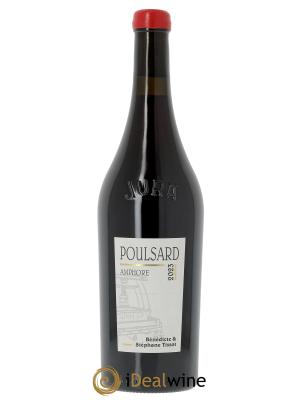
Poulsard
Poulsard, or Ploussard as it is also known, is an ancient variety native to Jura. Its berries have the colour of a plum, referred to in the local patois as the “pelosse”, which is perhaps how it got its name.
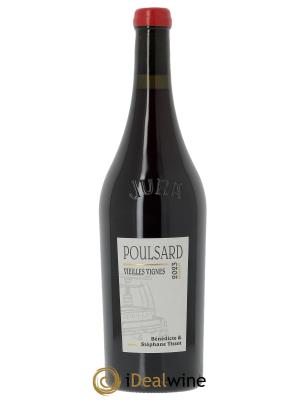
It is the predominant red grape variety in the region, accounting for 25% of the planted area.
Poulsard produces relatively small bunches of medium to large berries with thin, fragile skins, and sweet juicy fruit. It makes very light-coloured wines that are elegant, aromatic and delicately fruity, with delicious aromas of fresh red berries and smoky and mineral notes, sometimes with a touch of undergrowth.
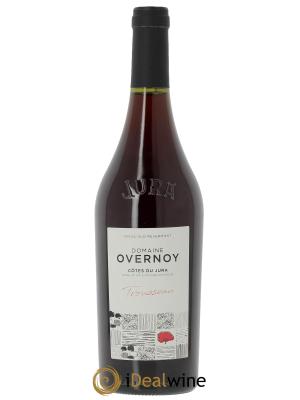
Trousseau
Trousseau is another local grape variety. However, it has long been present in Portugal where it is known as Bastardo, and can also be found in Australia and Argentina. Genetic analysis suggests that Trousseau is a relative of Chenin Blanc and Sauvignon Blanc and a descendant of Savagnin3.
It represents around 5% of grape plantings in Jura.
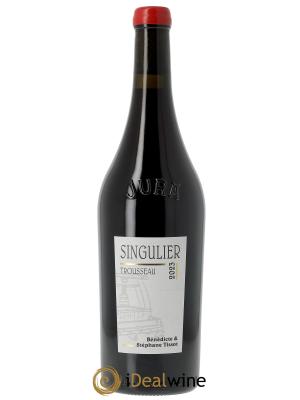
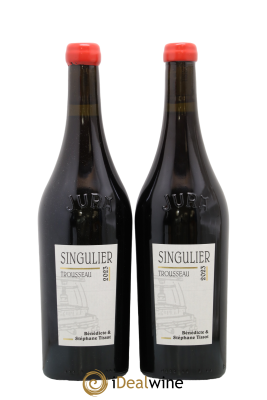
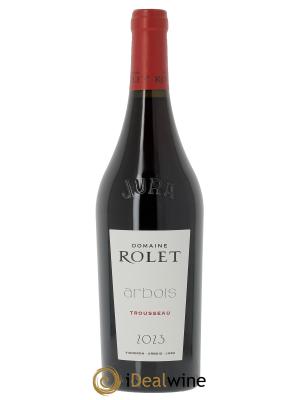
Trousseau produces small to medium-sized bunches and berries, with sweet, firm, juicy flesh. Trousseau wines are elegant but more powerful than those made with Poulsard, with a warm character and aromas of spices like nutmeg, smoke and humus.
Pinot Noir
This well-known grape variety has been planted in Jura for as long as in Burgundy and accounts for around 10% of the region’s grapes. In Jura, it produces more mineral wines than those of Burgundy.
Rare grape varieties of Jura
Like most French regions, Jura also has some rare and forgotten grape varieties, accounting for a minority of the region’s plantings. Melon à queue rouge and Farina are two such varieties. The first is a variant of Chardonnay, producing fruitier wines than its relative. The second is even rarer, producing lively, light-bodied reds that are often blended.
5. The different styles of Jura wine
Jura is a unique wine region for the wide range of styles it produces, and in that it makes some types of wine made nowhere else (i.e. Vin Jaune and Macvin). In good years, Jura produces around 100,000 hectolitres a year, with around 50% white wine (including Vin Jaune), 25% red and rosé wine, 20% crémant (sparkling), 3% macvin (Jura’s fortified wine) and the rest vin de paille (straw wine).
Non-oxidative white wines (vins ouillés)
A majority of Jura’s wines are thus white wines, which include “vins ouillés” (non-oxidative white wines made in the conventional, topped-up manner) and oxidative whites or “vins non-ouillés”, like Vin Jaune. These non-oxidative wines can be made from Chardonnay and Savagnin, either as single varietal wines or as blends.
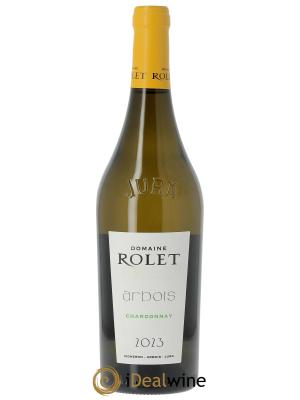
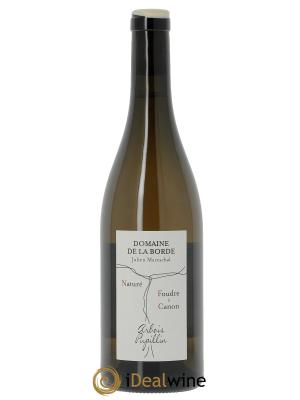
There is nothing special about the way Jura’s “vins ouillés” are produced. Their particularity comes from the grape varieties – some being made from the local Savagnin variety, but some also from Chardonnay, which is planted all over the world – and the terroirs on which they grow. These terroirs give Jura’s conventionally made whites – even those made from 100% Chardonnay – a very distinct and quite recognisable character, with a much livelier and less oaky aspect than in Burgundy, for example, and often quite recognisable smoky and mineral notes. All of this makes for a quite indefinable taste that can only be found in Jura. In any case, Jura is renowned for the high quality of its white vins ouillés, which can make great wines for laying down.
Oxidative white wines
Although not exclusive to Jura, oxidative wines – which can be produced all over France and in other countries such as Spain (think sherry, for example) – are one of the region’s specialities. Jura’s famous Vins Jaunes and other whites aged under flor are among the best-known oxidative wines in the world.
An oxidative wine is a wine that is not topped up, i.e. one in which part of the wine in the barrel gradually evaporates, without being replaced. As a result, some of the wine in the barrel comes into contact with air and a film of yeast or “flor”, known in Jura as the “voile” forms on the surface of the wine. These wines aged in contact with air develop a very distinctive aromatic profile of overripe apple, aromas of sweet spices, nuts, and so on.
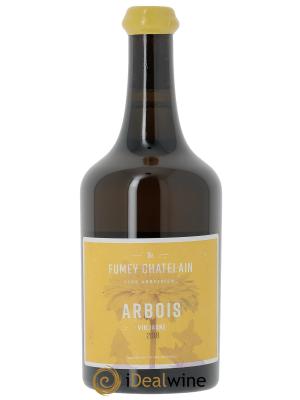
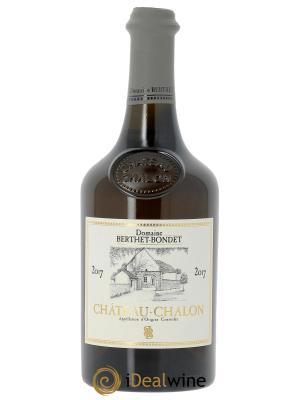
In the case of Vin Jaune, wines must be produced exclusively from Savagnin, aged sous voile (under flor) for a minimum of six years and three months, and bottled in the special 620ml “clavelin” bottle.
Reds
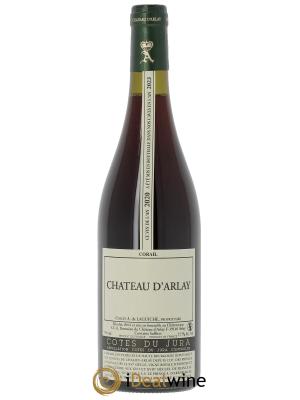
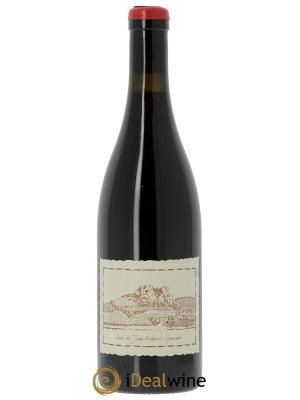
Jura also produces some excellent red wine, from Pinot Noir, Poulsard and Trousseau, as single-varietals or blends. On the whole, Jura reds tend to be quite elegant, light and highly drinkable, which – added to their quality – makes them also highly esteemed.
Sparkling wines of Jura
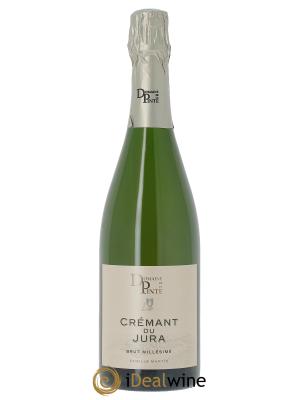
Jura produces many crémants or sparkling wines. These generally very high-quality wines are made using the double-fermentation “traditional method”, (regular fermentation is followed by a second fermentation in the bottle), like for Champagne.
Vin de paille
As with oxidative wines, Jura is not the only region to make vins de paille (literally straw wines), but these sweet wines are a speciality of the region.
To produce them, the very best bunches are selected for “passerillage” (raisining). This consists of drying them on a bed of straw or on racks for at least six weeks, and sometimes more than six months, to dehydrate the berries and increase sugar concentration and flavour. This winemaking method produces very low yields, since around 100 kilograms of dried grapes will produce only around 20 litres of juice.
To qualify for the Vin de Paille du Jura appellation, the wine must be made from Chardonnay and/or Savagnin and/or Poulsard grapes and have undergone passerillage for at least six weeks. The wine must have an alcoholic strength of between 14% and 17% ABV and have been aged in oak barrels for a minimum of three years.
On tasting, these amber-coloured wines reveal powerful aromas of dried fruit, candied fruit (quince, orange, tropical fruit), honey, caramelised notes and white fruit. On the palate, they offer a fine balance of roundness, smoothness and freshness.
Marc du Jura
Jura produces marc or grape brandy, as do most winegrowing regions. Marc du Jura is an amber-coloured brandy produced by fermenting the grape pomace (i.e. skins, pips and stalks), and then distilling it in a pot still and ageing it in oak barrels for at least two years.
On tasting, this spirit of around 50% ABV reveals aromas of dried fruit, caramelised grapes and hints of vanilla, depending on how long it is aged. It is powerful on the palate, with good body and fruity aromas.
Macvin du Jura
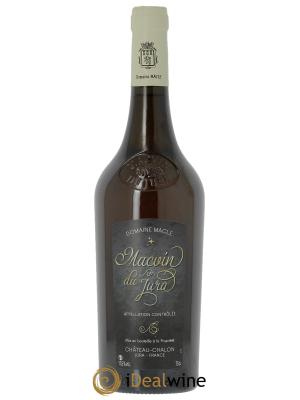
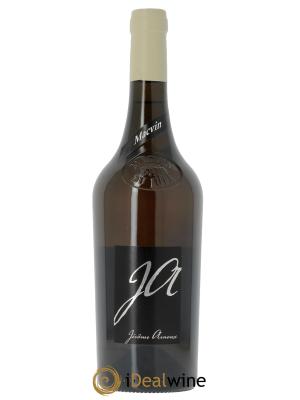
Macvin is a wine that is fortified with brandy, or in other words a liqueur wine. It is made from a blend of grape must and Marc du Jura, so you could say it is the local equivalent of Ratafia in Champagne or Pineau des Charentes. Macvin du Jura has been produced since at least the 14th century, but the AOC only dates from 1991.
To make it, one third of Marc du Jura is added to the must, stopping fermentation and leaving residual sugars behind. It is then matured in oak barrels for at least a year. Macvin can be white or red, depending on the grape varieties used.
On tasting, Macvin du Jura generally shows aromas of cooked or brandied fruit, prunes, sultanas, nuts and caramel, depending on the grape variety. It may also show aromas of white or red fruit. The palate is smooth, rich and unctuous, with good body as well as a touch of freshness.
6. The best Jura estates and wines
Jura is such a tiny French wine region that it has relatively few estates, especially when you leave out giant producers, such as Henri Maire and the 280-hectare Fruitière Vinicole d’Arbois cooperative. Here is a selection of the estates now considered to be the best.
Most iconic Jura estates
- Overnoy-Houillon
- Domaine des Miroirs
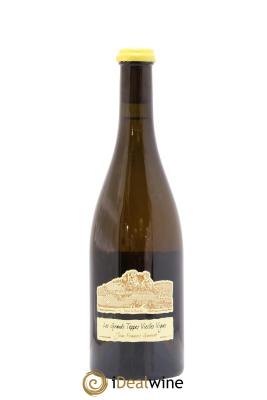
- Ganevat
Best historic Jura estates
- Labet
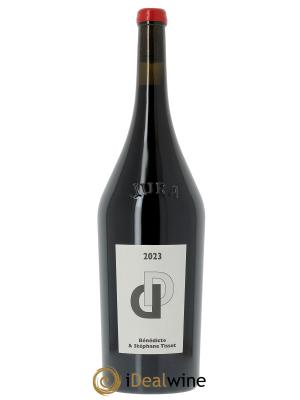
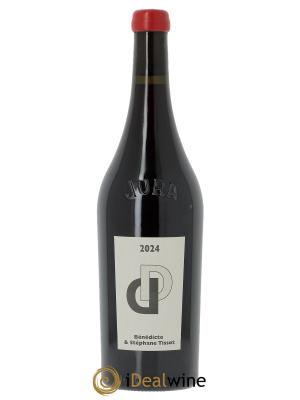
- Tissot
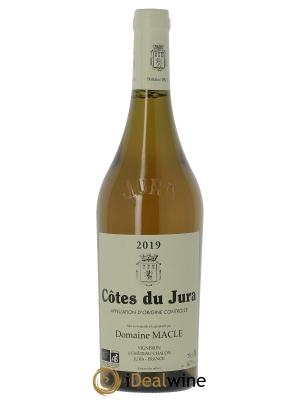
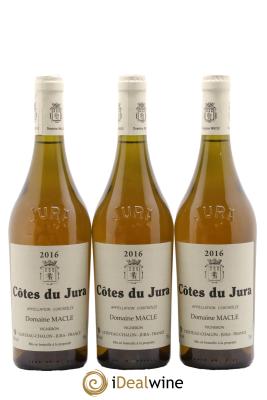
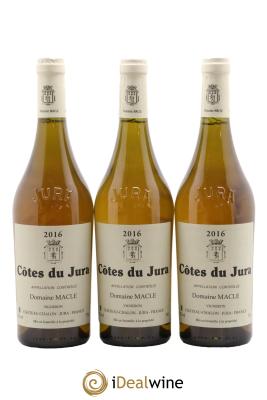
- Jean Macle
- M Perron
- Jacques Puffeney.
- Domaine de Saint-Pierre
Best recent Jura estates
- Domaine des Murmures
- Bruyère-Houillon
- Rousset Martin
- Jean-Marc Brignot
- Allante Boulanger
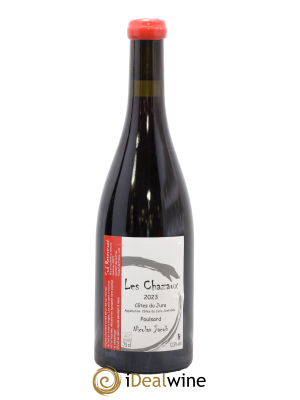
- Nicolas Jacob
- Morgane Turlier
- Maison Glandien
- Maison Maenad
- Thomas Popy
- Alexandre Plassat
7. The best Jura wines at pleasing prices
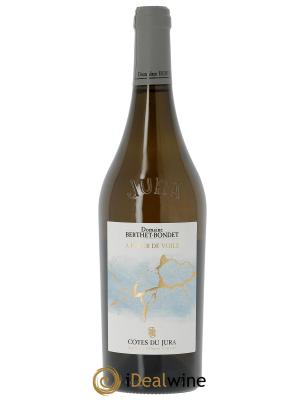
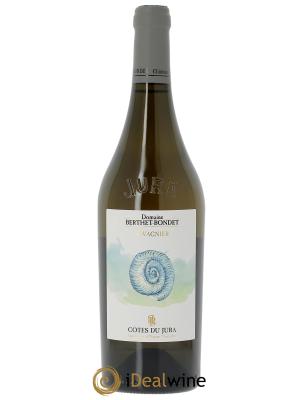
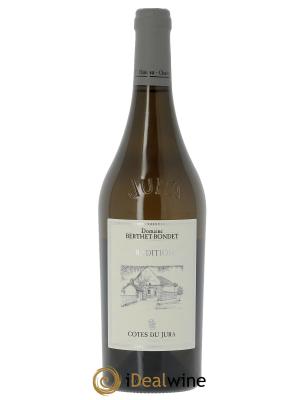
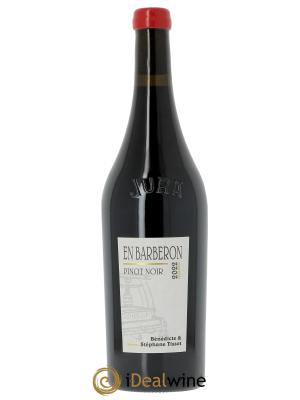
As we at iDealwine are particularly fond of Jura wine, we have put together a superb selection of estates, many of which are still very reasonably priced. Here is a selection of the best, most widely affordable Jura wines, starting at under €15.
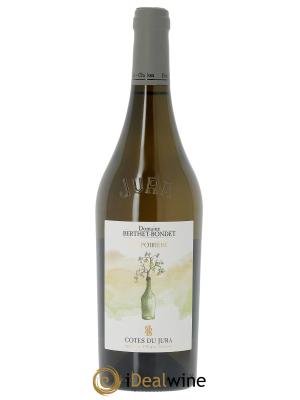
- Berthet-Bondet
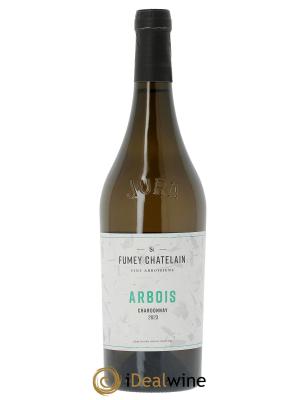
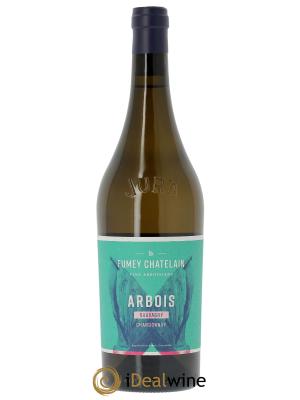
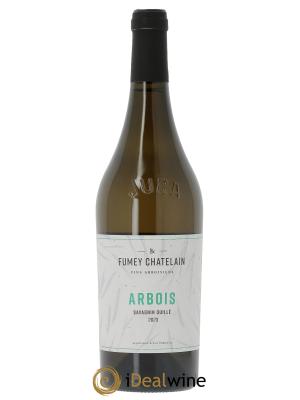
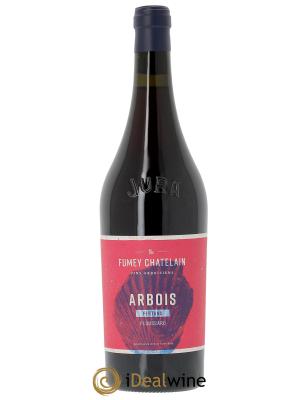
- Fumey-Chatelain
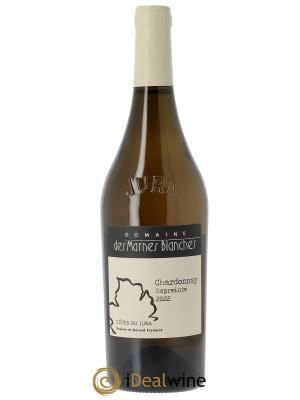
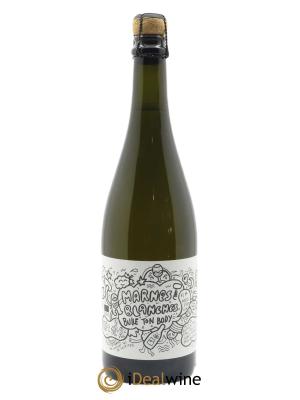
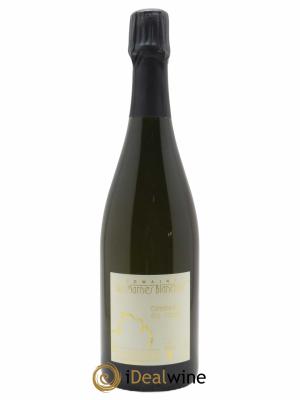
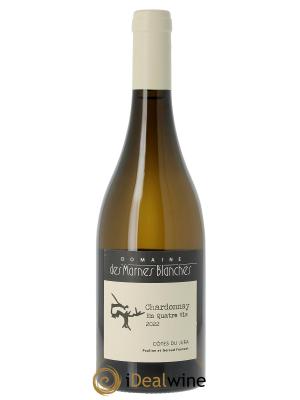
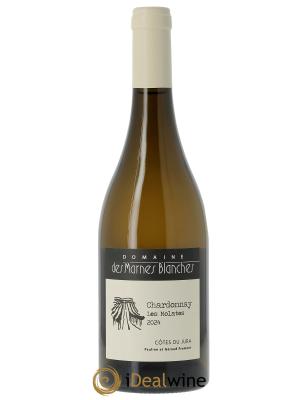
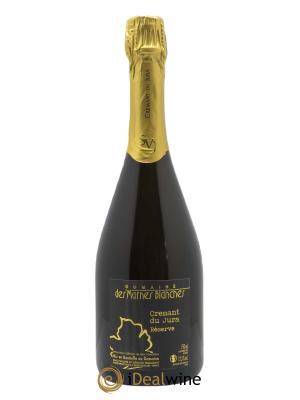
- Domaine des Marnes Blanches
- Domaine de la Touraize
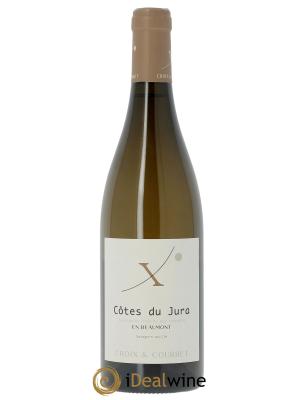
- Croix et Courbet
8. The best food and wine pairings with Jura wines
Food pairings with white non-oxidative Jura wines
Pairings with Jura Chardonnay
As we have seen, Chardonnays from Jura differ slightly from their Burgundian neighbours; they are more acidic, mineral and smokier, and less creamy and oaky. On the whole, these wines pair very well with seafood. The simplest of them will go with seafood appetizers, such as mackerel pâté or taramasalata. The more complex ones make an excellent match for fish dishes and white meats, particularly guinea fowl or chicken, but will also work well, for example, with a creamy veal stew. Lastly, these wines make a brilliant partner for many cheeses, such as medium mature goat’s cheese, Jura’s famous Comté, and Morbier, another of the region’s star products.
Pairings with non-oxidative Jura Savagnin wines
Savagnin shares some characteristics with Chardonnay, notably its fruitiness and acidity. It can be paired with the same types of dishes as Jura Chardonnay, but also with spicier cuisine and dishes featuring mushrooms, such as the classic chicken with morels and Vin Jaune .
Food pairings with white oxidative Jura wines
Whether they’re made from Chardonnay, Savagnin or both, the oxidative wines of Jura are fascinating to pair with food! They are also a very interesting ingredient to cook with, and you’ll find numerous recipes using Vin Jaune , such as the famous poulard or chicken with morels and Vin Jaune .
These wines, especially Vin Jaune , go very well with white meats in creamy sauces, particularly those with mushrooms. They can also be matched with other dishes with powerful flavours, such as lobster à l’américaine, exotic and spicy dishes such as curries, or strong cheeses such as blue.
Food pairings with Crémant du Jura
Crémant du Jura is perfect as an aperitif. Its great freshness makes it a fitting match for salty dips such as taramasalata or cheesy appetizers such as gougères. Crémant is also fabulous with fishy starters like salmon gravlax, scallops or sushi.
Food pairings with red Jura wines
Pairings with Poulsard
Poulsard’s rather elegant, delicately fruity character means it is best suited to delicate dishes that are not too powerful in flavour. Poulsard makes a good aperitif, marrying nicely with charcuterie, especially of the smoked kind, and will also go well with barbecued meats. It can also accompany dishes combining meat and fruit, such as the French classic, quail with grapes.
Pairings with Trousseau
Trousseau is slightly more tannic, with aromas of undergrowth and even animal notes, without being a very powerful wine. It goes well with meat in general, including charcuterie, grilled meats, white meats and even beef, lamb or offal. It can also be paired with vegetarian food, such as pan-fried mushrooms or lentils.
Pairings with Pinot Noir
Jura Pinot Noir goes well with just about the same types of dishes as its Burgundian counterpart, i.e. white meats, duck and beef, cooked in sauces that are not too strong in flavour.
Food pairings with Jura’s Vins de Paille
Vins de paille or straw wines are known for their sweetness, richness and candied fruit aromas. They go particularly well with fruity desserts such as apricot or walnut tart, and blue cheeses, with which their sweetness contrasts wonderfully.
Food pairings with Macvin du Jura
Macvin is best enjoyed at the end of a meal – rather than as an aperitif, as was common a few years ago – because the sugar and alcohol of this liqueur wine tend to numb the taste buds for the remainder of the meal. You can serve it with cheese, although preferably blue cheese, which will have enough character to stand up to it. As for desserts, it makes a great pairing for fruity, caramelised desserts, such as tarte tatin. Finally, Macvin can be enjoyed at the very end of a meal, on its own, as a digestif.
Food pairings with Marc du Jura
As Marc du Jura is a brandy, it is best enjoyed on its own as a digestif. Served with food, its high alcoholic content would numb the taste buds and completely mask the taste of your dish.
1 In Alphonse Rousset Dictionnaire Géographique, historique et statistique des communes de la Franche-Comté (6 volumes 1853-1858)
2 Source: Jancis Robinson, Julia Harding, José Vouillamoz, Wine Grapes – A complete guide to 1,368 wine varieties, including their origins and flavours, The Penguin Group, First published 2012
3 Ibid