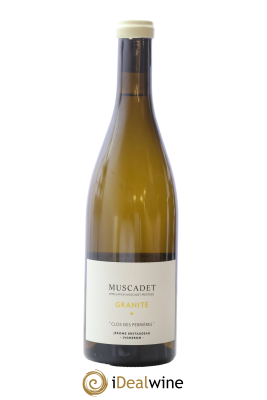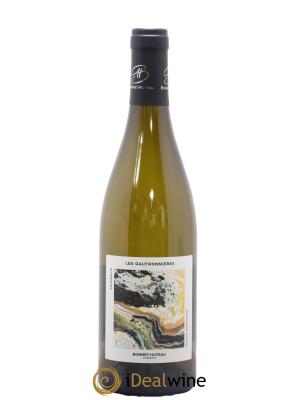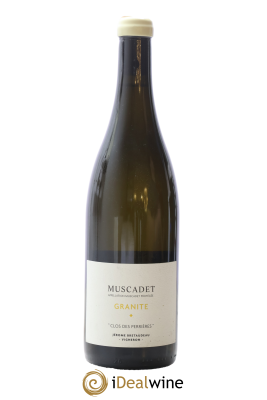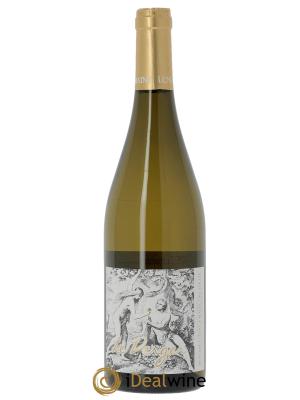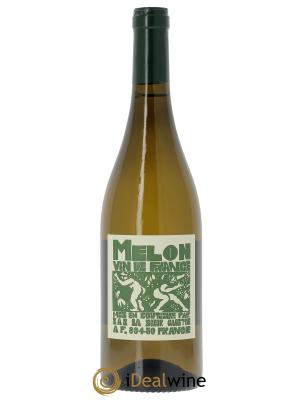

Melon de Bourgogne
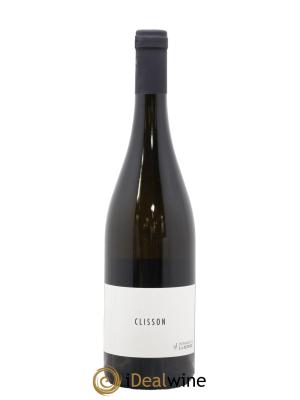
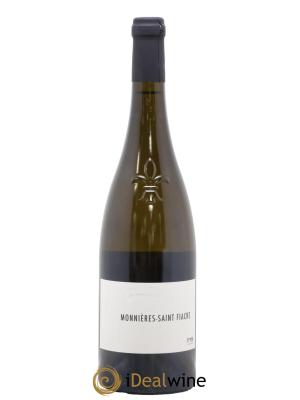
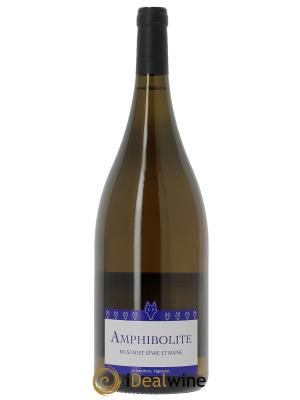
Melon de Bourgogne is a white grape variety originating in Burgundy, as its name suggests, although it has since disappeared from the region. Today, it is grown almost exclusively in the Pays Nantais in the Loire Valley, where it is the sole grape variety used to produce Muscadet. Melon de Bourgogne became established in the region after the harsh winters of the 18th century led growers to replant with hardier varieties.
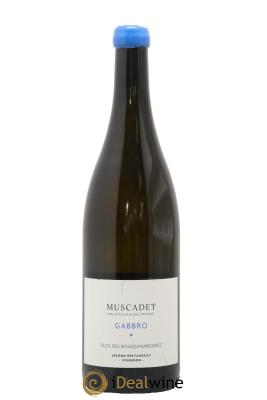
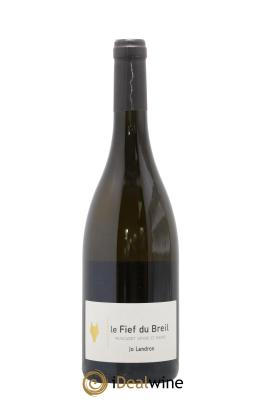
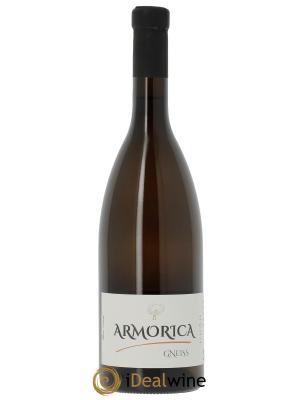
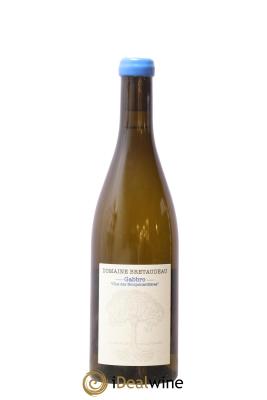
Adapted to granite, schist and gneiss soils, Melon de Bourgogne produces dry, lively wines that are particularly well suited to seafood. Relatively neutral aromatically, the wines are characterised by their freshness, linearity and saline minerality, often enhanced by lees ageing, which brings greater volume, fullness and subtle complexity. The nose reveals subtle notes of green apple, citrus, flintstone and fresh brioche. On the palate, the wines are often lean and lively, with a chalky finish. From the finest terroirs, Melon de Bourgogne can produce remarkably long-lived wines that develop in fascinating ways with age. A number of Muscadet growers have played a major role in restoring the reputation of this long-underrated variety, including Jérôme Bretaudeau, Luneau-Papin and Jo Landron.