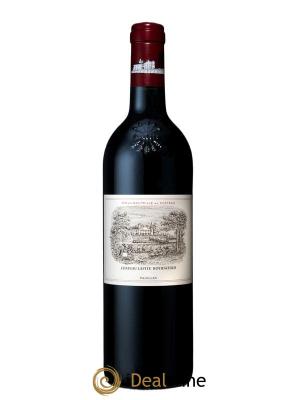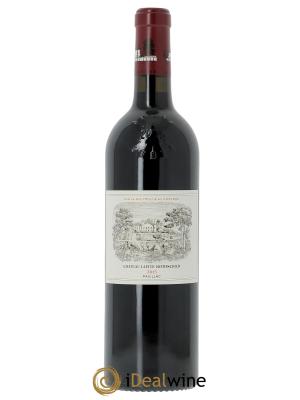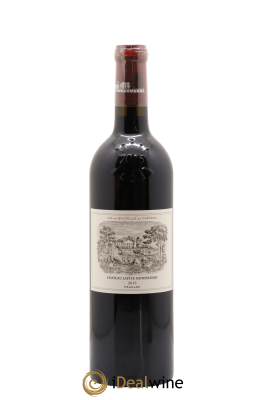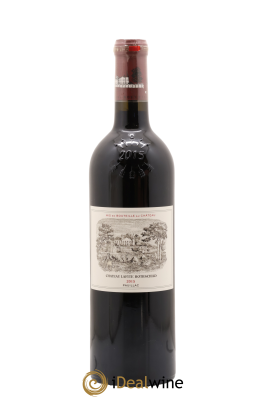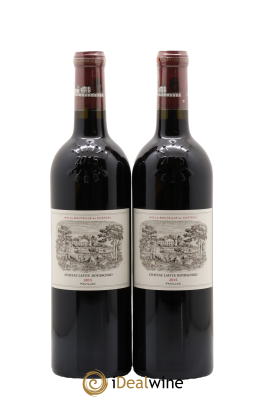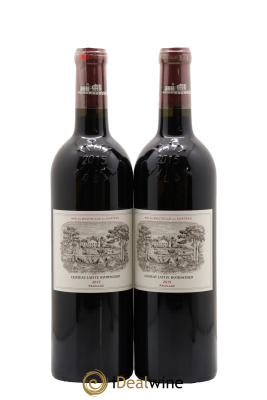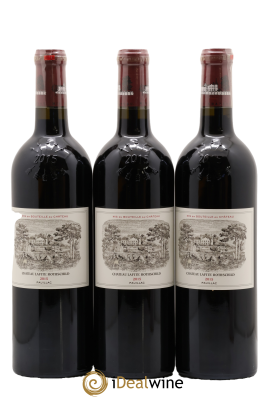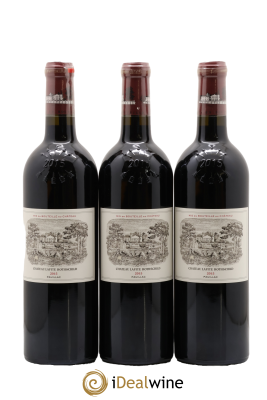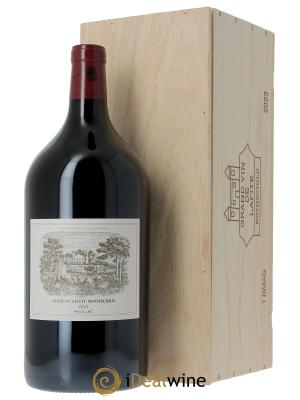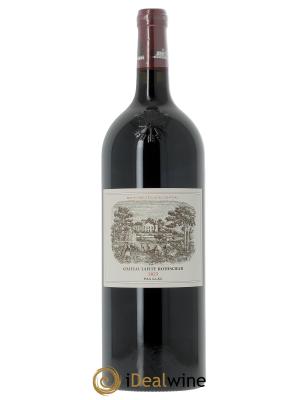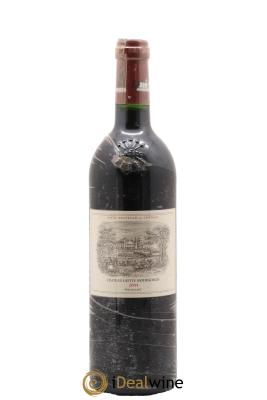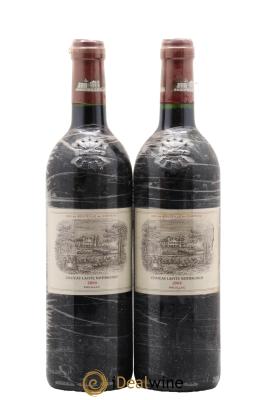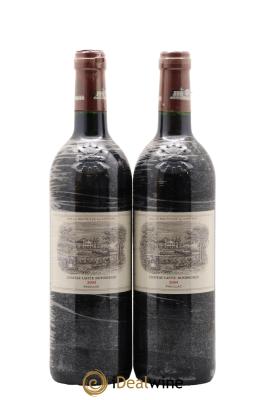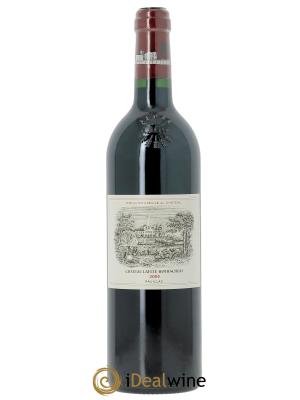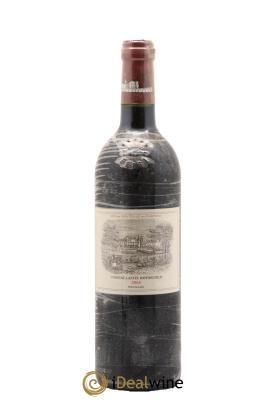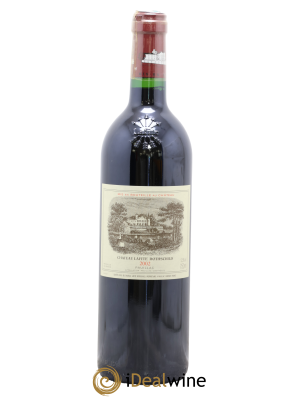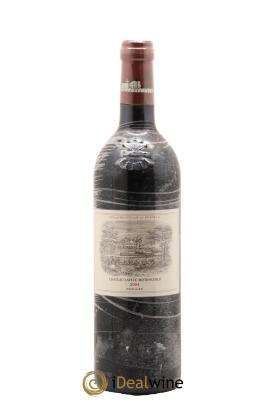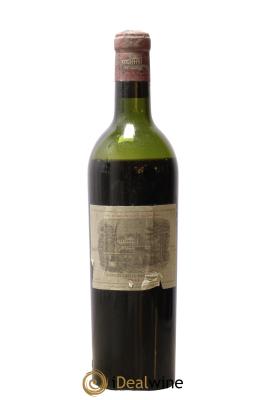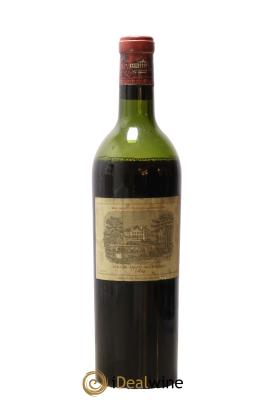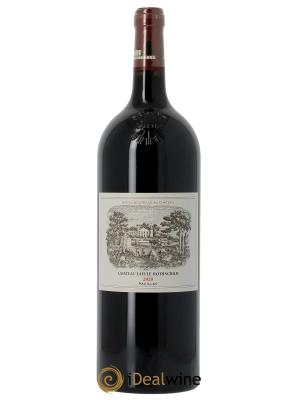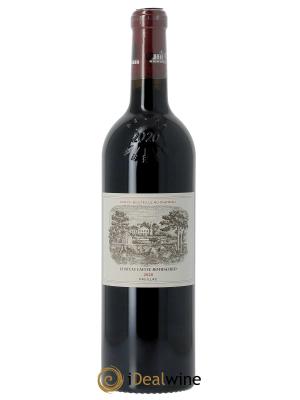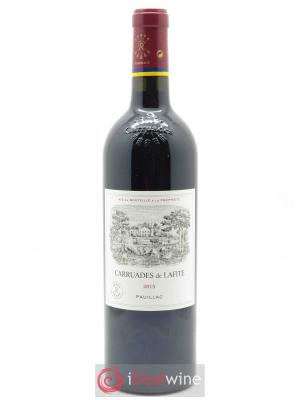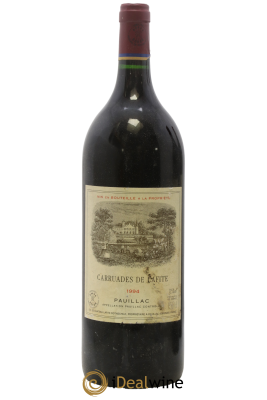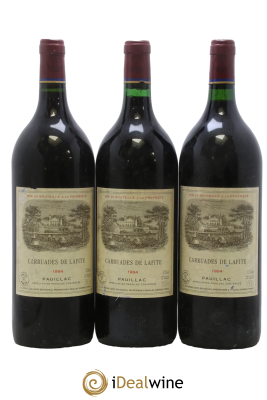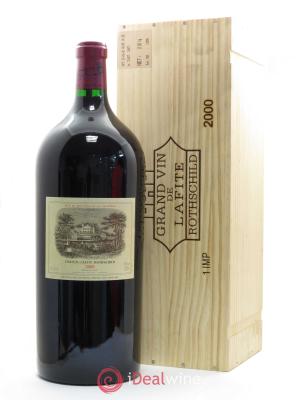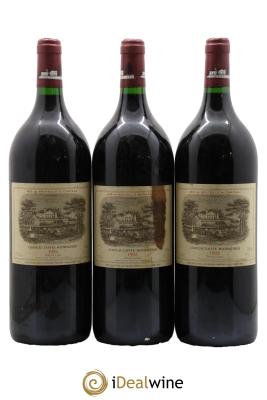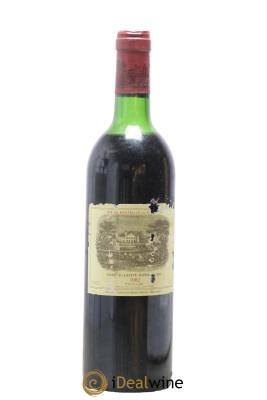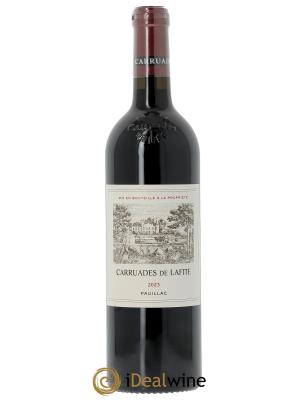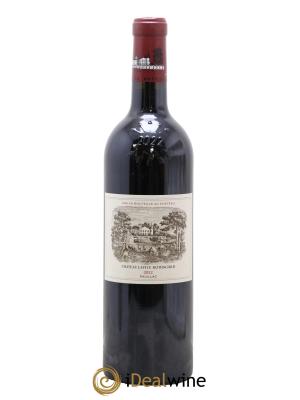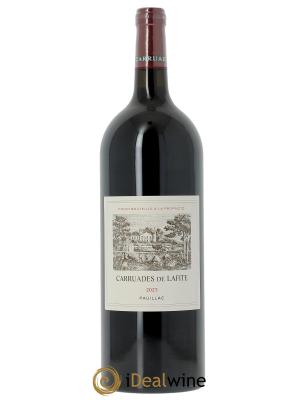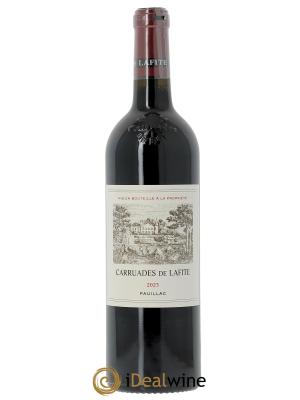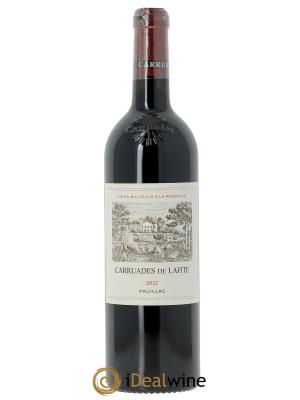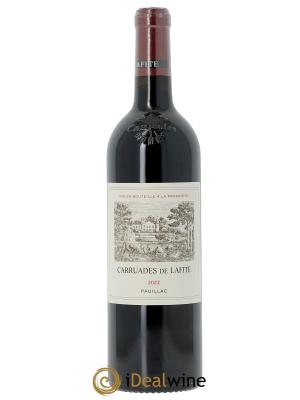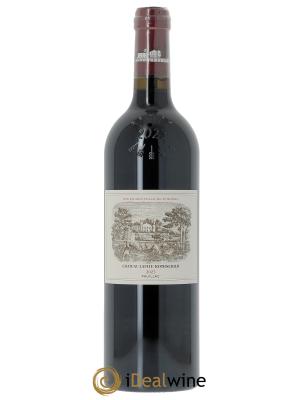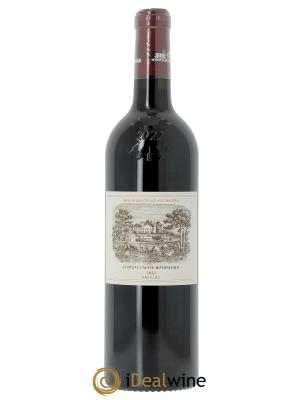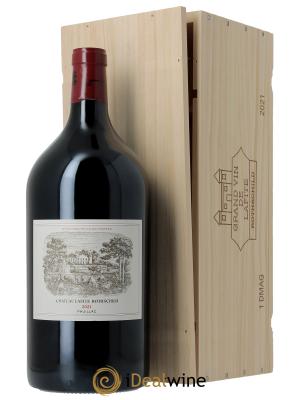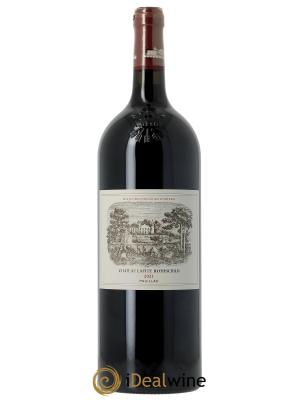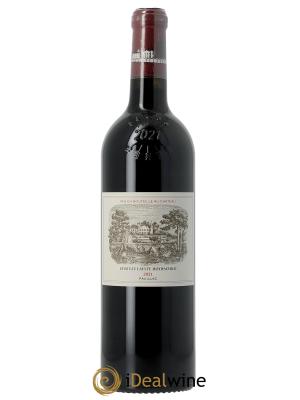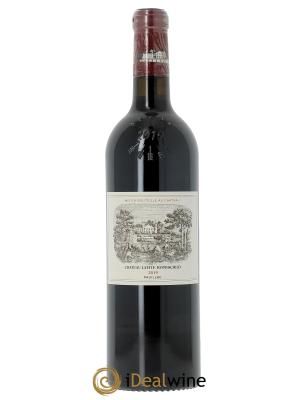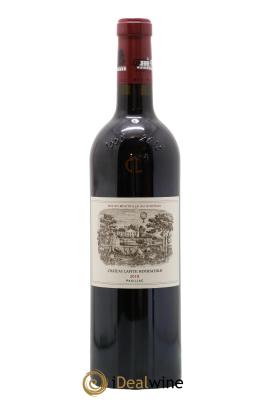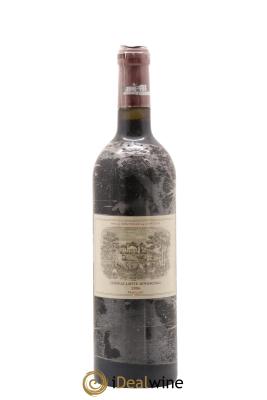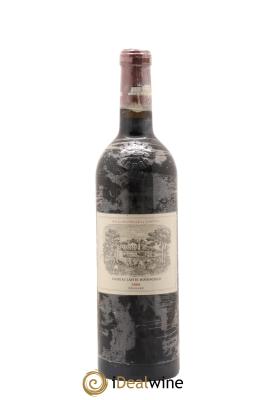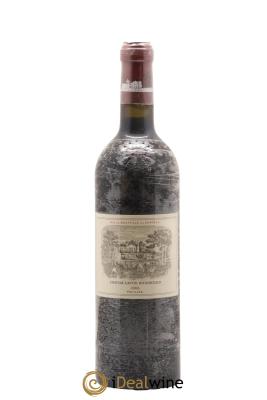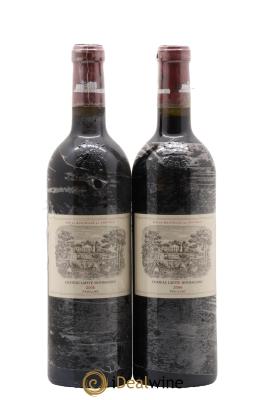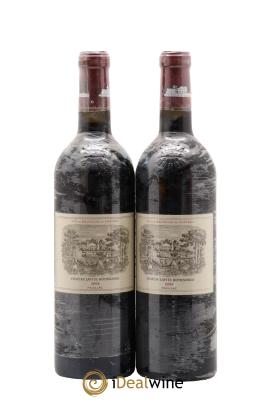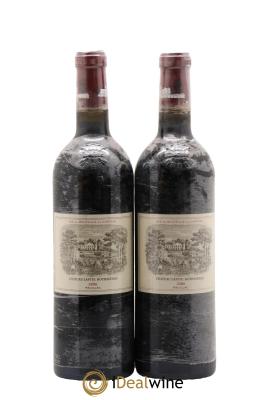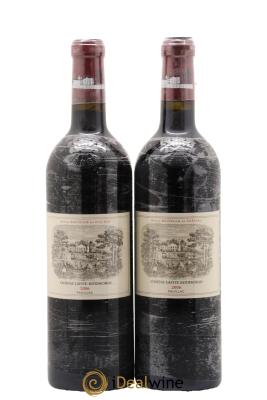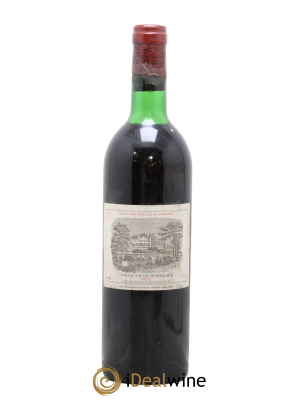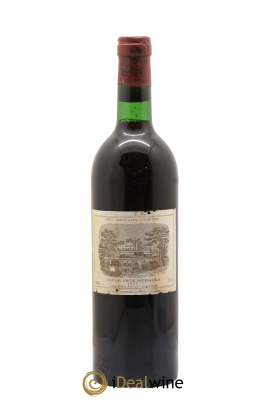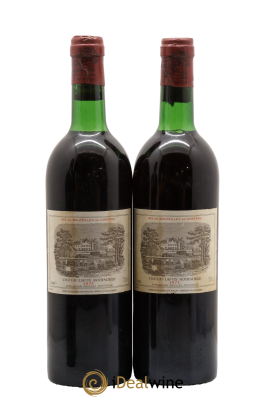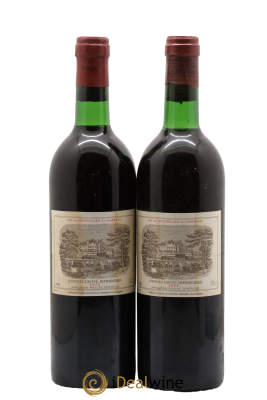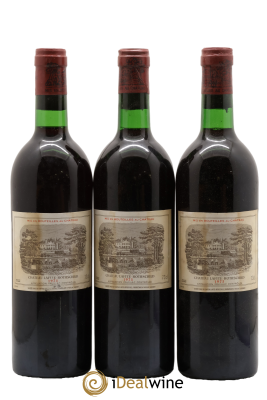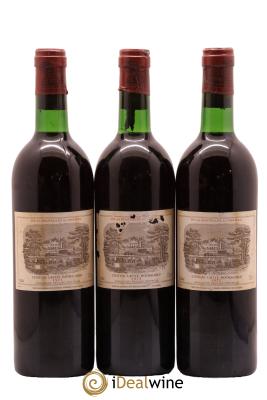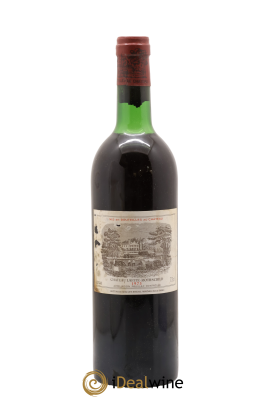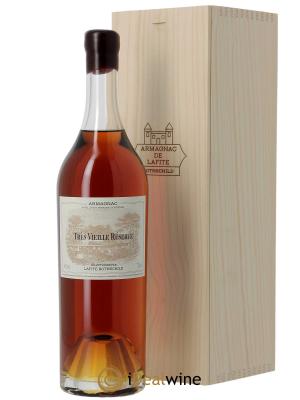





Wine for sale: Château Lafite-Rothschild
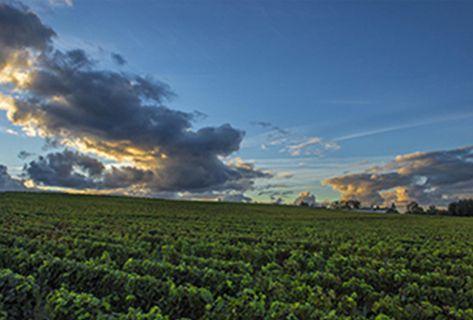
Château Lafite-Rothschild
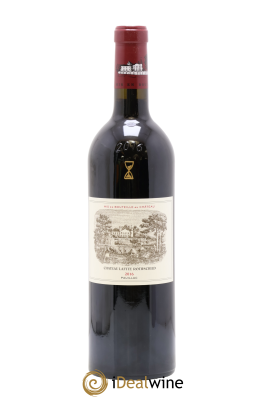
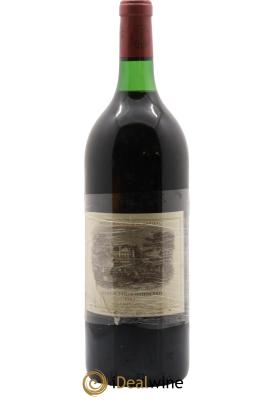
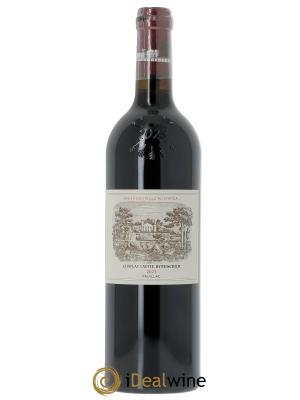
★ Partner Producer‘Wine of kings’. ‘Fountain of Youth’. These are just some of the nicknames this premier grand cru has earnt over the years. And we can understand why.
When he died, Lafite passed through a number of hands and was sold at auction during the French Revolution, but the high quality was preserved, due to the skills of the vineyard managers, Joseph Goudal and his family. Château Lafite was classified premier cru in 1855.
In 1868, Baron James de Rothschild bought the estate at auction, and it has remained in his family ever since. Quality is dictated by an exceptional terroir (a thick layer of gravel on marl, with a limestone subsoil) and also notably by the average age of the vines (over 40 years old), a low yield per hectare and very rigorous selection. During the 1960s and 1970s, the wines were of poorer quality as the management of the property and vinification process were less stringent.
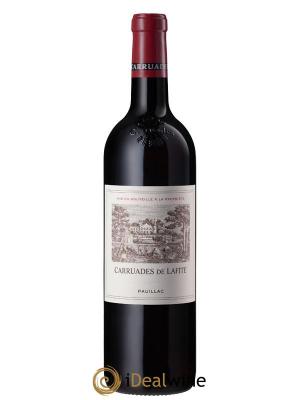
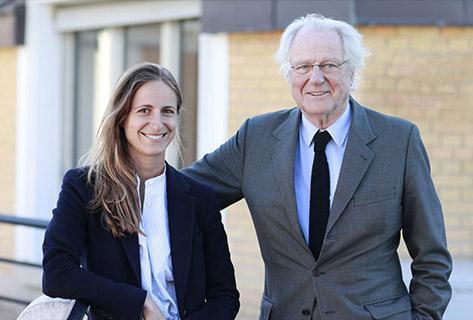
Since 2018, Saskia de Rothschild has been at the head of the group, making her the sixth generation to run the estate. She works tirelessly to maintain the property’s spirit and quality, continuing the work of her ancestors. Driven by a respect for the environment, she acts as a protector of the land and of nature. She has also enriched the wines offered by the château, by adding a new wine called Anseillan – the first since the 19th century.
The history of the Lafite vineyard goes back a long way. In the late 17th century, Jacques de Ségur restructured the vineyards which already contained some vines. Even before this, his wine was already of a good standard. His son, Alexandre, extended the Chateau Lafite Rothschild estate when he married the heiress of the Latour estate in 1695. Their son, Nicolas-Alexandre, built up the prestige and reputation of Lafite in the 18th century and it was popular at Versailles, as well as in Britain. It was so popular that the wine earnt the title “the wine of kings” from the “prince of vines”.
When he died, Lafite passed through a number of hands and was sold at auction during the French Revolution, but the high quality was preserved, due to the skills of the vineyard managers, Joseph Goudal and his family. Château Lafite was classified premier cru in 1855.
In 1868, Baron James de Rothschild bought the estate at auction, and it has remained in his family ever since. Quality is dictated by an exceptional terroir (a thick layer of gravel on marl, with a limestone subsoil) and also notably by the average age of the vines (over 40 years old), a low yield per hectare and very rigorous selection. During the 1960s and 1970s, the wines were of poorer quality as the management of the property and vinification process were less stringent.
Since 2018, Saskia de Rothschild has been at the head of the group, making her the sixth generation to run the estate. She works tirelessly to maintain the property’s spirit and quality, continuing the work of her ancestors. Driven by a respect for the environment, she acts as a protector of the land and of nature. She has also enriched the wines offered by the château, by adding a new wine called Anseillan – the first since the 19th century.