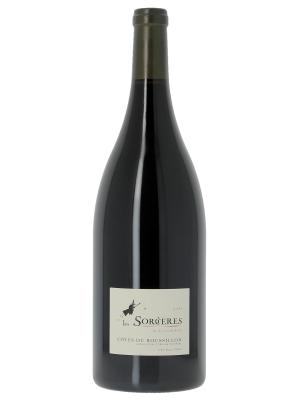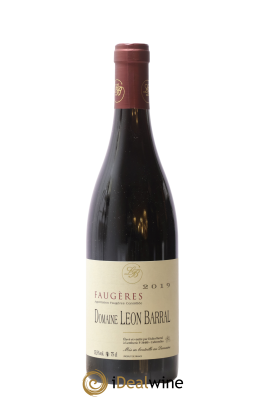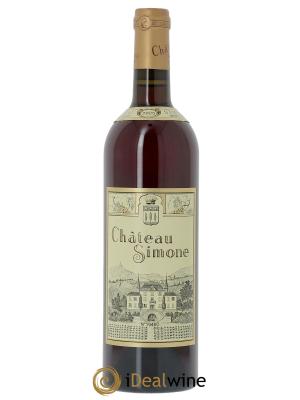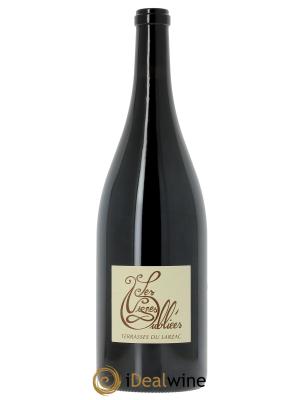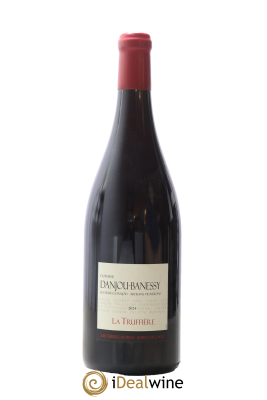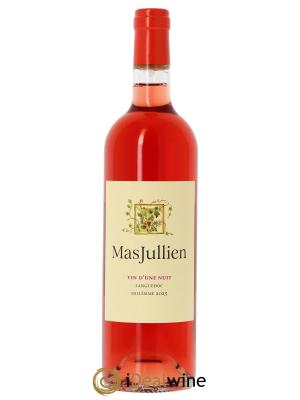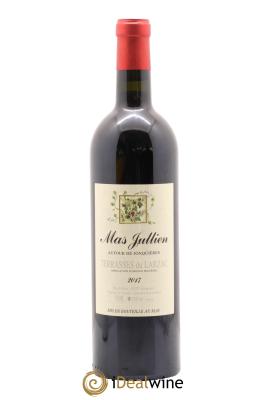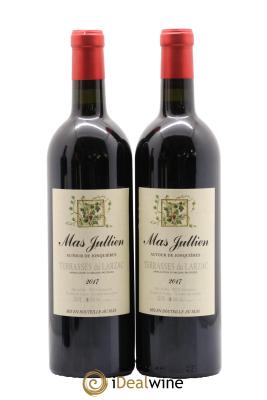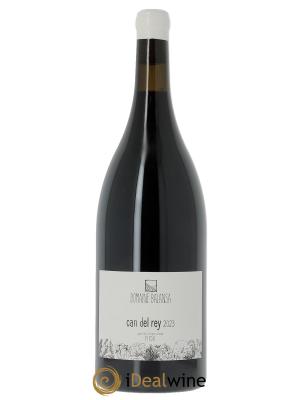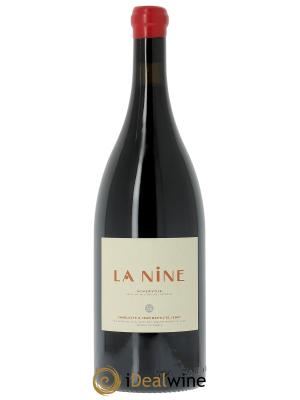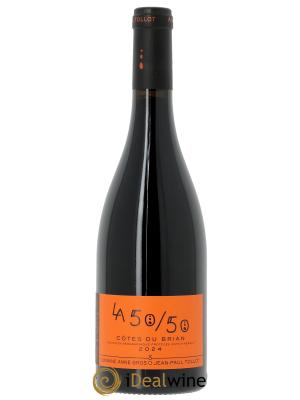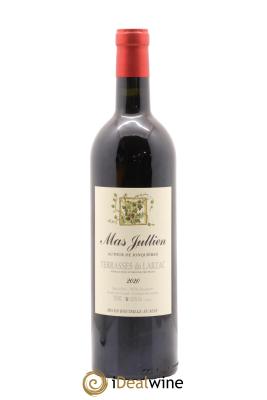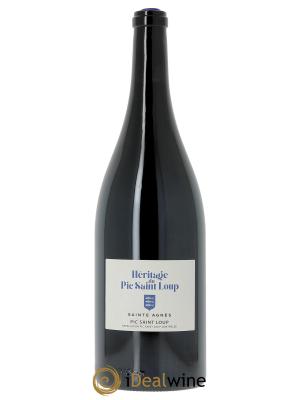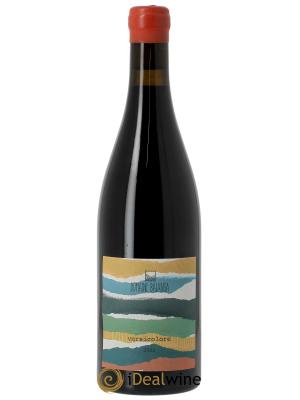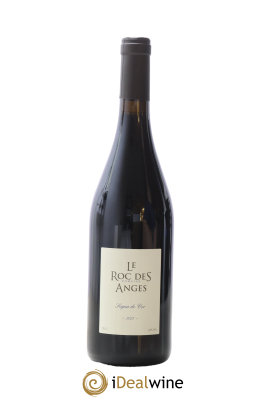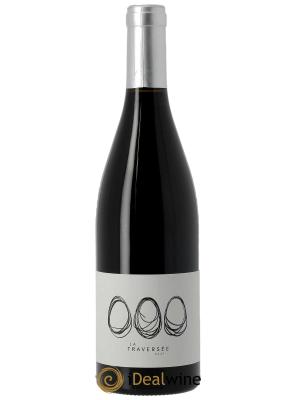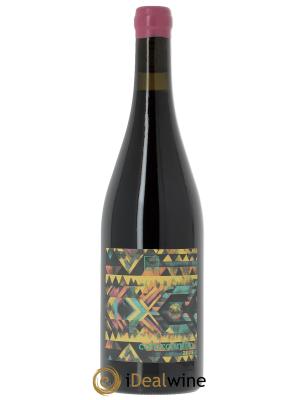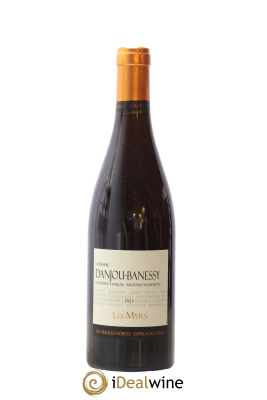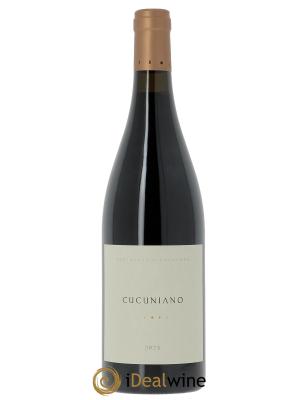

Carignan
Carignan has played a significant role in the history of wine. Its remarkable story begins in Spain, in the province of Zaragoza, where it originated and is known as Cariñena. On the steep, schist slopes of DO Cariñena, the variety can produce exceptional wines. But it was in France that Carignan’s fortunes changed dramatically. Following the phylloxera crisis in the late 19th century, Carignan was planted extensively in Languedoc and Roussillon – a development that would soon work against it. Its capacity for very high yields earned it a reputation for poor quality and cheap wines, along with the unflattering French nickname pisseur de vigne, literally a ‘vine pisser’. Today, however, Carignan is enjoying a remarkable revival. After years of widespread vine-pulling, the variety has returned to favour and is once again highly sought after by growers. Financial incentives have even been offered for replanting. Carignan has thus reclaimed its place as one of the great Mediterranean red varieties. In the sunny, windswept vineyards of Spain, Languedoc-Roussillon and the Côtes du Rhône, it retains freshness and develops powerful tannins, which make it particularly well suited to blending with local varieties. It brings a rustic, warming and deeply coloured character to wines, while also being capable of elegance. Carignan continues to surprise on the international stage: it is the world’s eleventh most planted grape variety. Beyond its Mediterranean heartlands, it can be found in California, Australia and Mexico, as well as in more unexpected locations such as China and Tahiti. The ultimate sign of a grape firmly back in favour? It even has its own International Carignan Day!