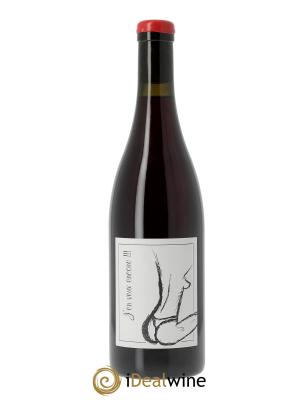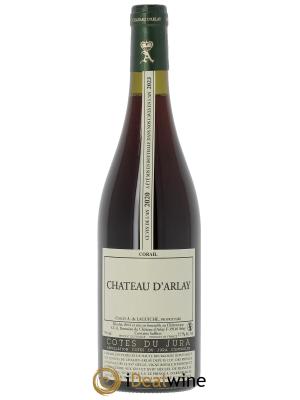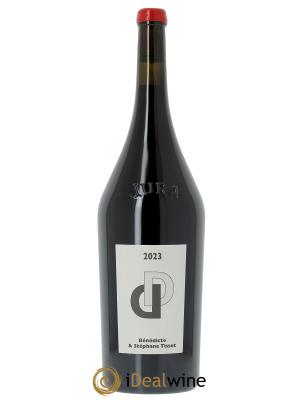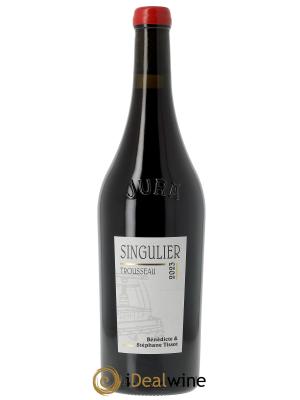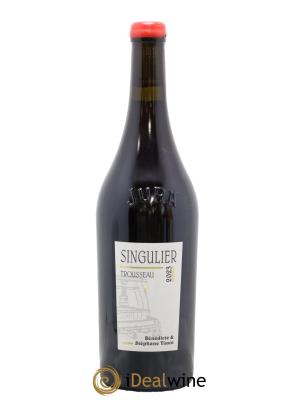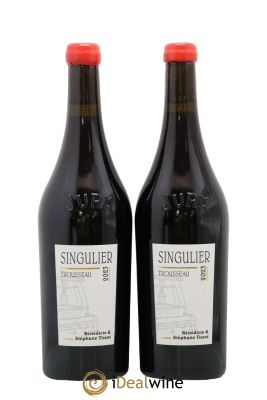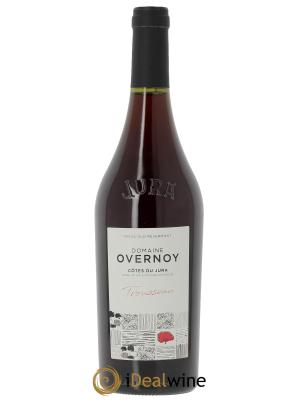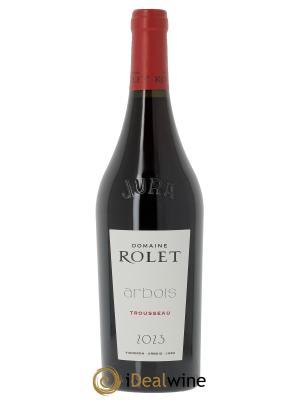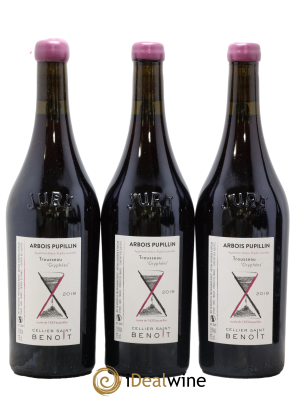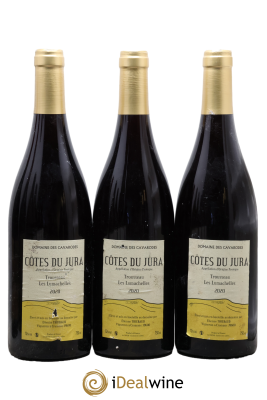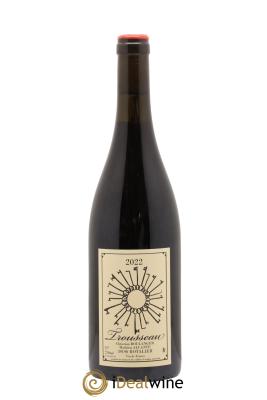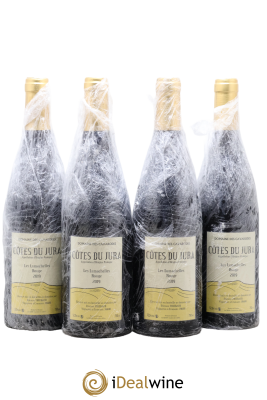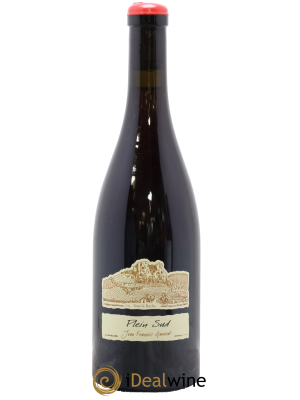

Trousseau
Trousseau is one of the Jura’s signature red grape varieties, alongside Poulsard and Pinot Noir. Grown in Franche-Comté since the early 18th century and a descendant of Savagnin, it ripens relatively early but is susceptible to disease and requires plenty of sunshine. Despite these demands, it accounts for more than 5% of the Jura’s vineyard area, or around 100 hectares. Trousseau favours poor, gravelly soils or shallow marl, provided they are well drained and have good exposure. Its compact bunches contain small, thick-skinned berries, which concentrate colour, tannins and sugar. This gives Trousseau considerable substance, but also makes it a demanding variety to grow. Highly susceptible to grey rot, it requires rigorous vineyard management, particularly under organic or biodynamic farming, where growers have fewer options for responding to challenging weather conditions.
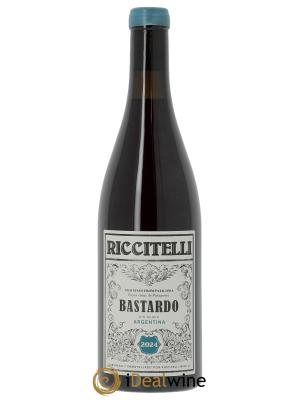
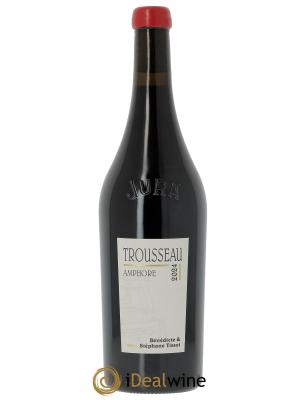
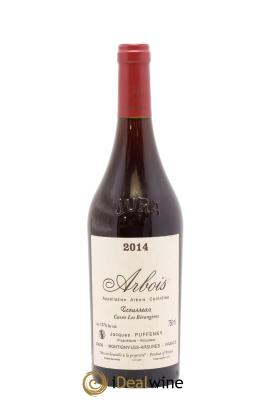
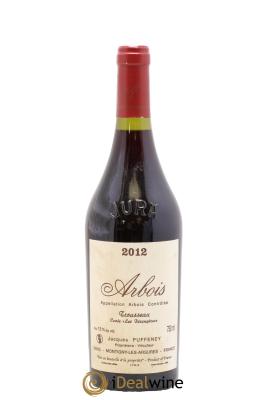
When fully ripe and carefully vinified, Trousseau produces intensely flavoured, ruby-coloured wines. The nose is often expressive, dominated by red fruit, peony and white pepper, sometimes with a smoky note. On the palate, the wines are structured, with pronounced yet fine tannins and characteristic length, setting them apart from the lighter style of Poulsard. Trousseau can be enjoyed young for its vibrant aromatics, but it can also age well, developing greater complexity over time. It is used in some Jura blends, although its distinctive character comes fully to the fore as a single-variety wine, particularly in the most ambitious parcel-based cuvées. In Portugal, Trousseau is known by the rather unflattering name Bastardo. It is used primarily in Port blends, although it can also sometimes produce high-quality single-variety wines. Several leading estates stand out for their work with Trousseau, including Overnoy-Houillon, Jacques Puffeney, Morgane Turlier and Domaine Labet.