

Loading

Welcome to iDealwine, world leader in online wine auctions, and an online shop for Burgundy, Bordeaux, Champagne...

Wine for sale: Fixed price Languedoc

| 283 results

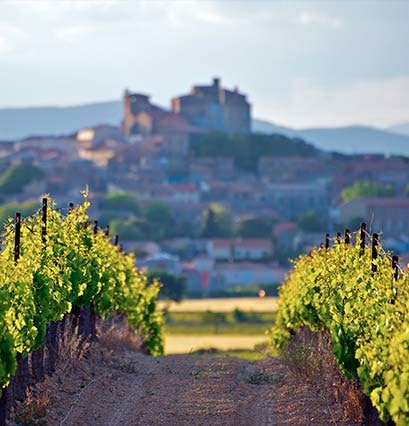
In this area covering the French départements of Gard, Hérault and Aude, the Greeks planted vines as early as the 5th century BCE and were followed by the Romans. Vines were replanted after the phylloxera crisis and Languedoc now has 35,000 hectares of vineyards, making it one of France’s largest wine regions today. In terms of conditions, it offers great soil diversity and a Mediterranean climate influenced by the Mistral and Tramontane winds.

Languedoc producers have managed to define a real common identity for themselves, despite the wide range of appellations on offer. There are wines without a geographical indication (GI), as well as PGIs (IGP) and PDOs (AOP). This AOP category can be further divided into wines with the Languedoc regional AOP, sub-regional AOPs, such as Saint-Chinian, Limoux, Pic Saint Loup, and Terrasses du Larzac, and even smaller village appellations like Boutenac or Minervois La Livinière. Languedoc also produces lightly fortified wines known as “vins doux naturels”.

In Languedoc, most wines are blends made from a number of varieties. Syrah is the most widely planted grape variety for reds – 75% of the region’s production is red – followed by other Rhone and Bordeaux varieties and Mourvèdre. The most widely planted white grape is Chardonnay whose plantings have grown from 1,000 to 14,400 hectares in 20 years. Other white wine grapes include Marsanne and Roussanne.

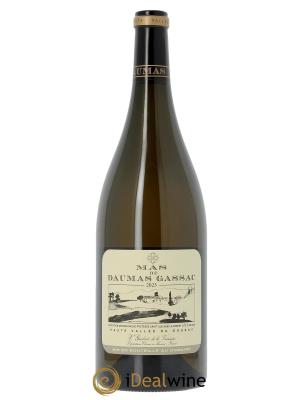
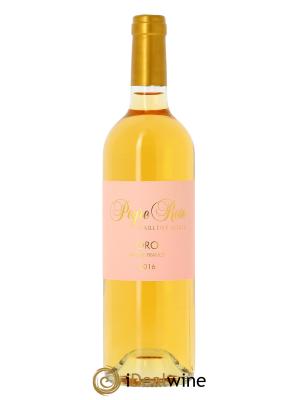
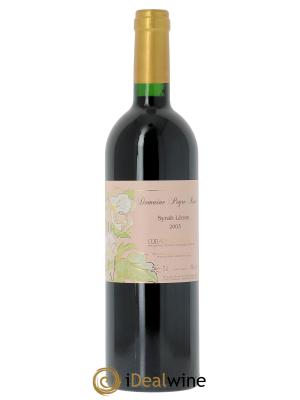
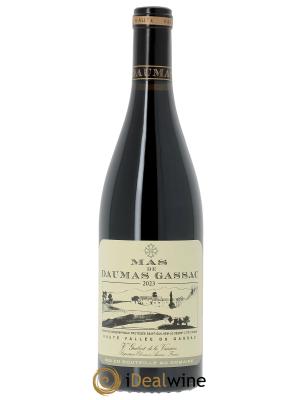
Iconic names include Grange des Pères, Mas Daumas Gassac and Peyre Rose (Marlène Soria).
Languedoc

In this area covering the French départements of Gard, Hérault and Aude, the Greeks planted vines as early as the 5th century BCE and were followed by the Romans. Vines were replanted after the phylloxera crisis and Languedoc now has 35,000 hectares of vineyards, making it one of France’s largest wine regions today. In terms of conditions, it offers great soil diversity and a Mediterranean climate influenced by the Mistral and Tramontane winds.

Languedoc producers have managed to define a real common identity for themselves, despite the wide range of appellations on offer. There are wines without a geographical indication (GI), as well as PGIs (IGP) and PDOs (AOP). This AOP category can be further divided into wines with the Languedoc regional AOP, sub-regional AOPs, such as Saint-Chinian, Limoux, Pic Saint Loup, and Terrasses du Larzac, and even smaller village appellations like Boutenac or Minervois La Livinière. Languedoc also produces lightly fortified wines known as “vins doux naturels”.

In Languedoc, most wines are blends made from a number of varieties. Syrah is the most widely planted grape variety for reds – 75% of the region’s production is red – followed by other Rhone and Bordeaux varieties and Mourvèdre. The most widely planted white grape is Chardonnay whose plantings have grown from 1,000 to 14,400 hectares in 20 years. Other white wine grapes include Marsanne and Roussanne.

Iconic names include Grange des Pères, Mas Daumas Gassac and Peyre Rose (Marlène Soria).
2022
A
36
2024
A
K
48
2024
A
K
22
2022
89
29.70 | Buy 6, get 10%
2024
15
2024
30
2012
224
2023
A
K
20
2021
A
K
32
2019
A
32.50
2020
50
2020
125
2023
37
2019
A
90
2023
A
K
32
2021
36
2017
29.50
2021
A
16
2023
A
56
2023
A
28
2023
A
13
2023
A
45
2024
A
37
2024
A
17
2023
A
61
2023
A
K
52
2023
A
K
20
2024
A
14
2022
A
K
26
2022
30
2024
A
10.50
2023
A
37.50
2022
A
74
2021
A
28
2022
A
22
2022
A
19
2024
A
22
2023
A
19
2022
A
17
2022
19
2022
23
2023
A
18
52.20 | Buy 3, get 10%
2019
A
58
2023
A
23
A
16
2024
A
9
2023
A
K
30