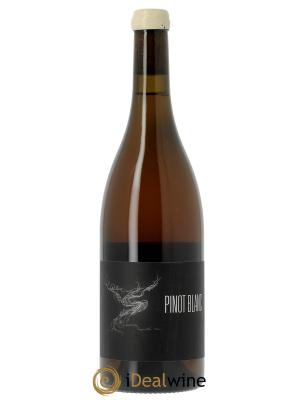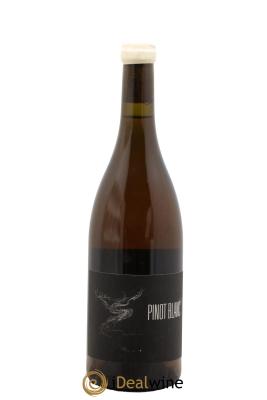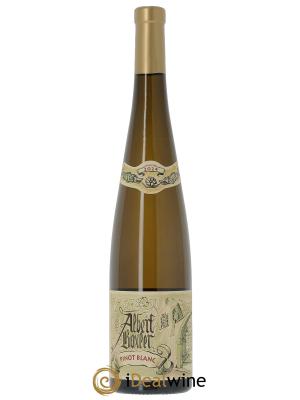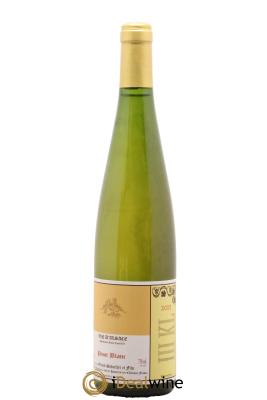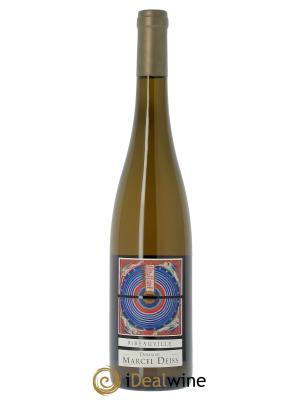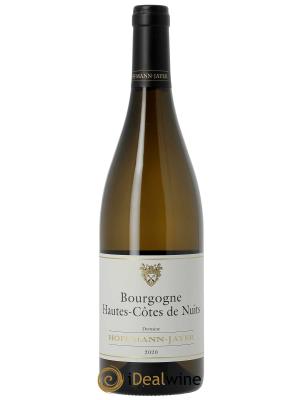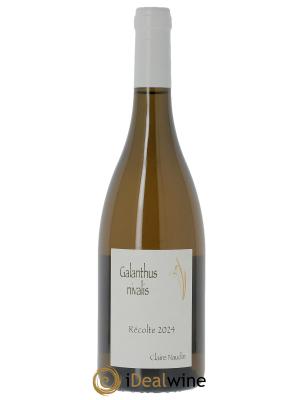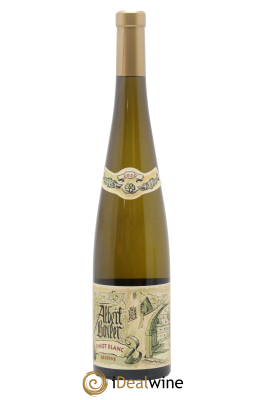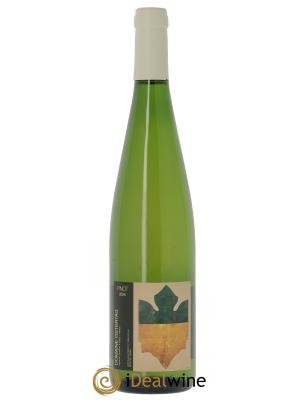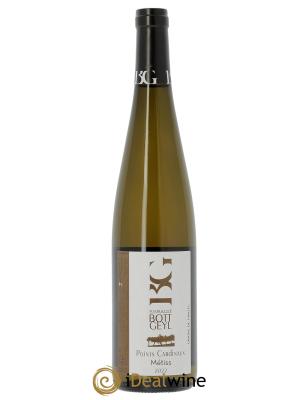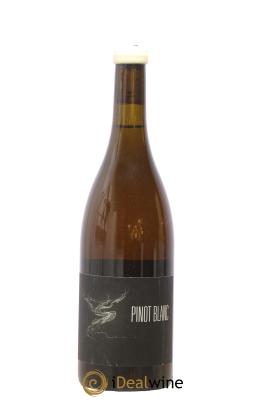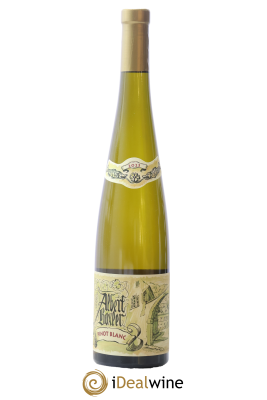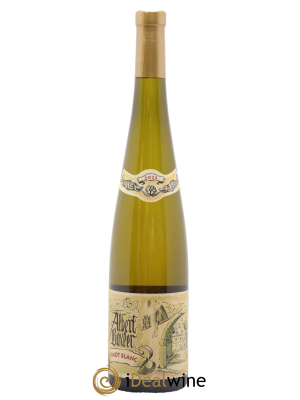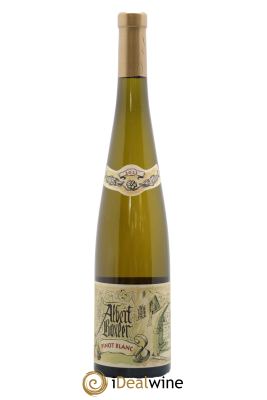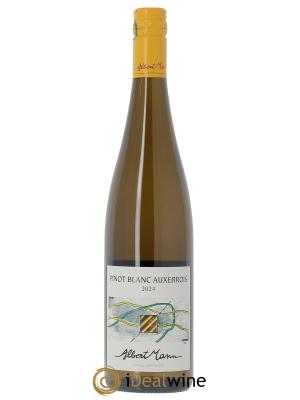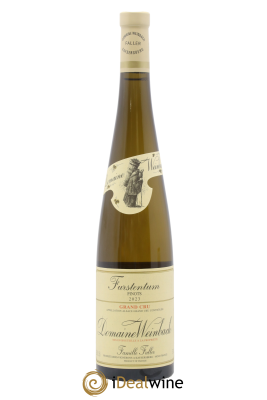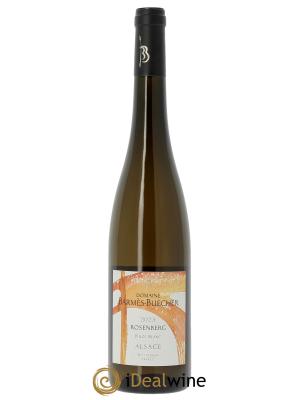





Pinot Blanc
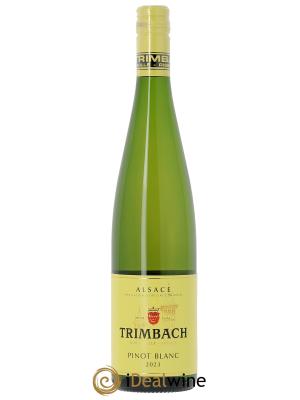
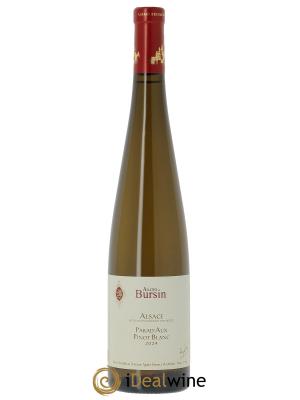
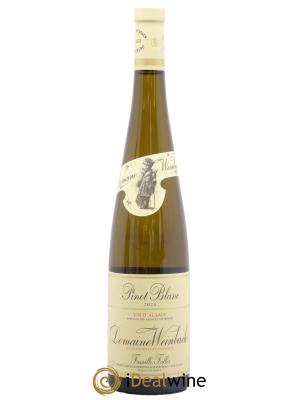
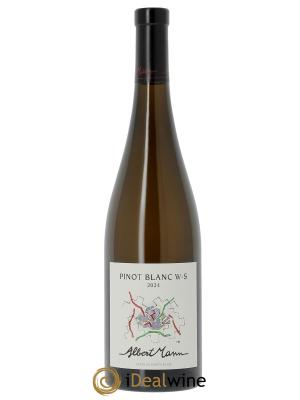
Often overshadowed by its cousins Pinot Gris and Chardonnay, Pinot Blanc remains a valued grape variety, appreciated for its versatility and delicate character. It is a natural mutation of Pinot Gris, itself a descendant of Pinot Noir. Originating in Burgundy, it is now mainly grown in Alsace, where it is widely cultivated.
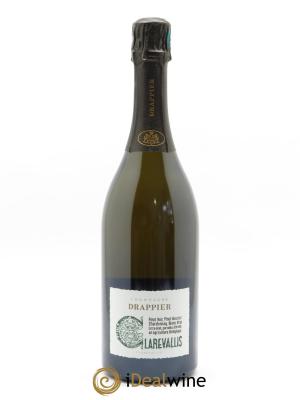
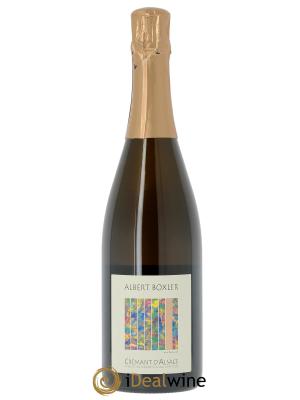
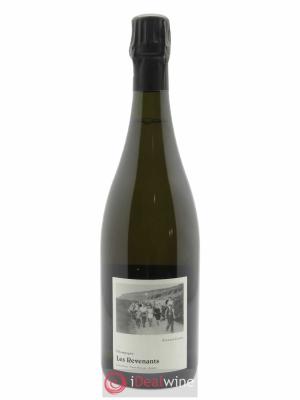
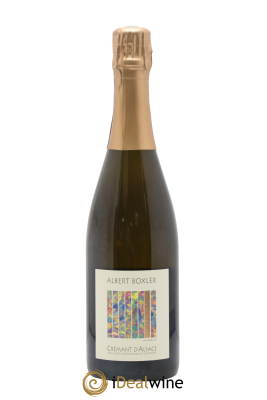
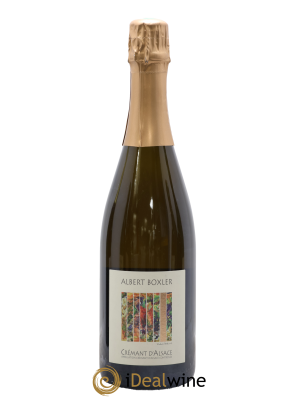
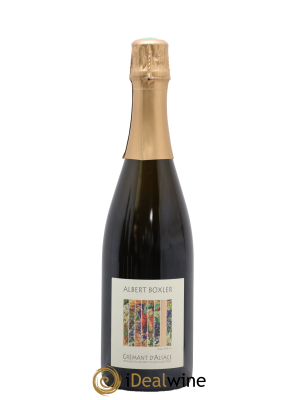
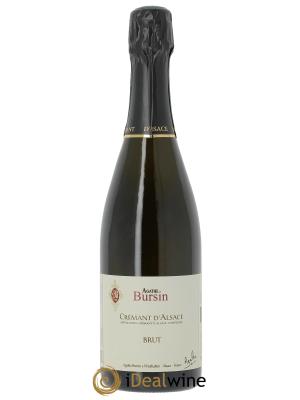
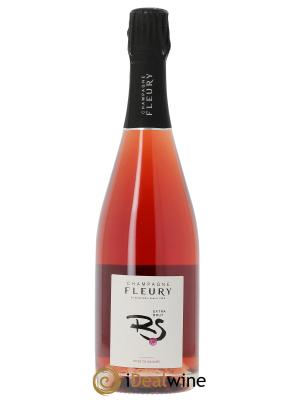
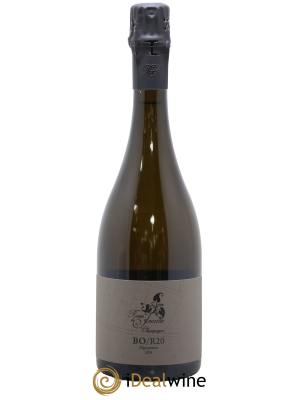
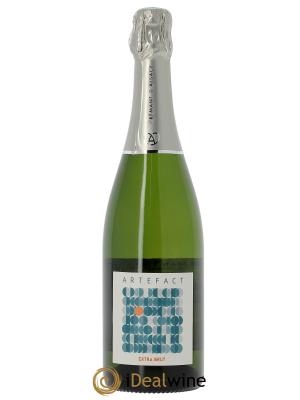
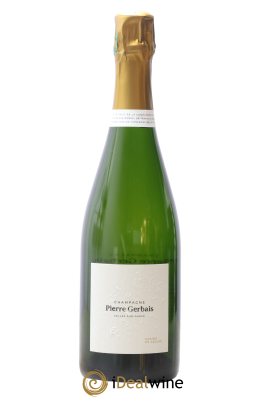
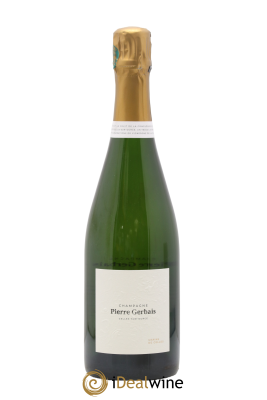
The variety is also found to a lesser extent in Champagne. It is used in the making of some Champagne and crémant (sparkling wine), for its good balance of sweetness and acidity and fleshy body. It prefers a continental climate, such as that of Alsace or certain parts of Germany, which guarantees cold winters and hot summers.
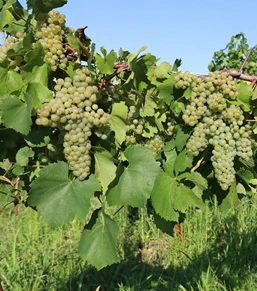
Pinot Blanc is recognisable by its small berries with thick skins and juicy pulp. It produces supple, floral, and moderately aromatic wines, with aromas of fresh apple, pear, white flowers, and sometimes brioche or sweet spices. On the palate, it combines roundness and liveliness with moderate acidity, making it very popular in sparkling wines.
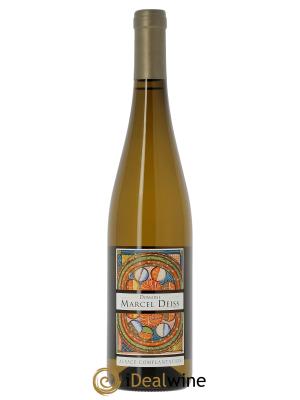
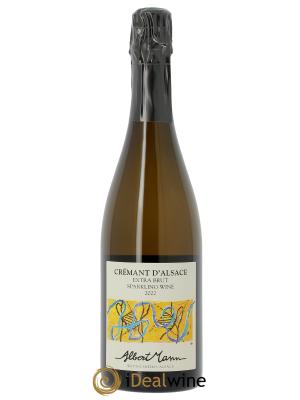
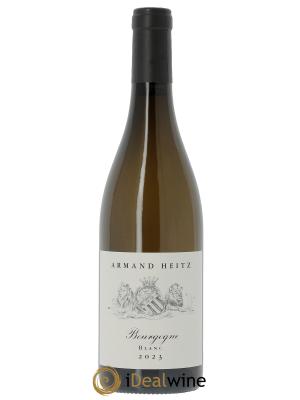
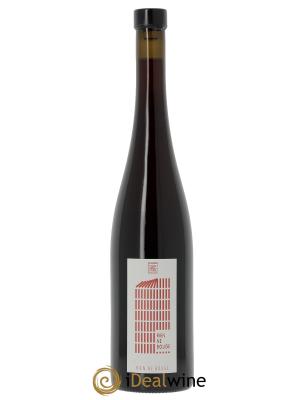
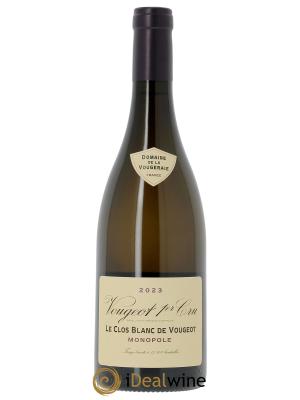
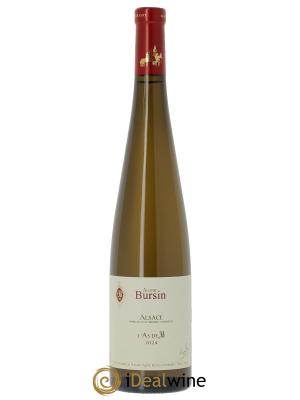
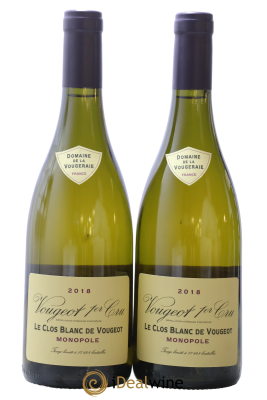
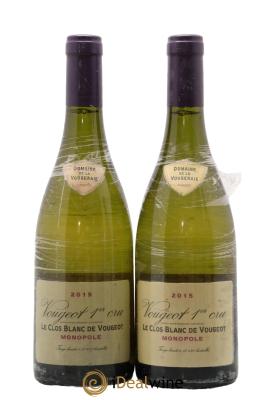
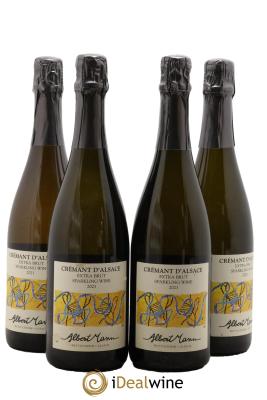
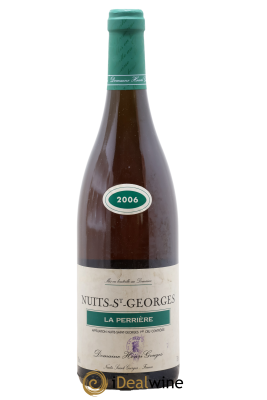
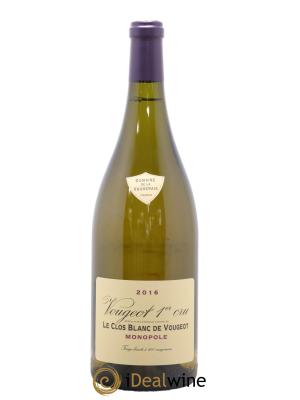
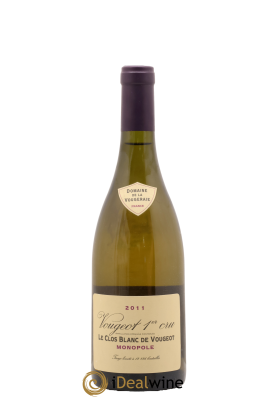
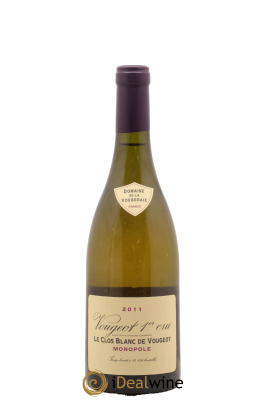
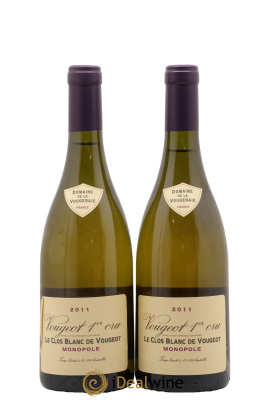
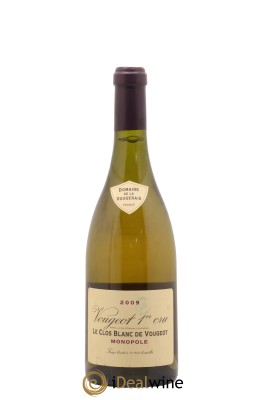
In Alsace, Pinot Blanc is often blended with Auxerrois, a distinct grape variety which it is often confused with, but which is riper and rounder, adding richness and volume. This combination, common in Alsatian crémant, contributes to the richness and stylistic diversity of wines labelled Pinot Blanc. Some great estates using this grape variety demand a mention, such as La Vougeraie (a small proportion of Pinot Blanc is authorised in certain Burgundy village appellations and premier cru wines), Etienne Calsac, Laherte Frères and Arnaud Lopez.