



Wine for sale: Taittinger
Taittinger
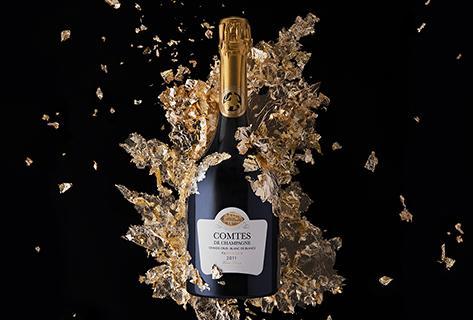
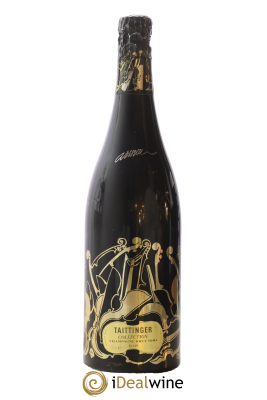
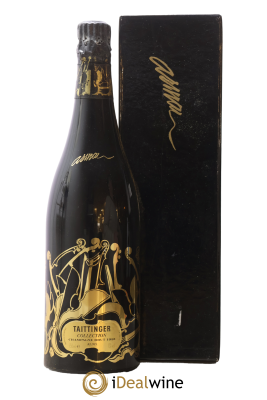
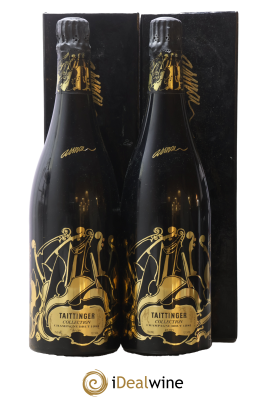
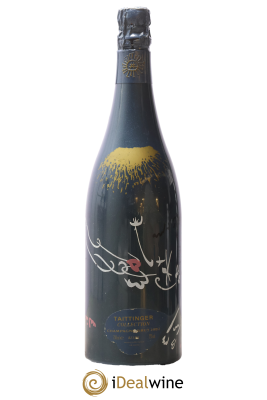
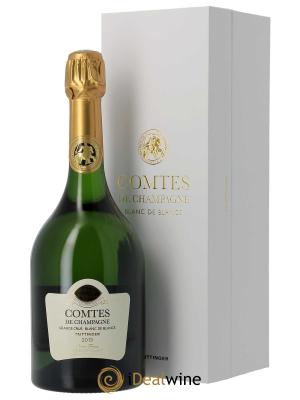
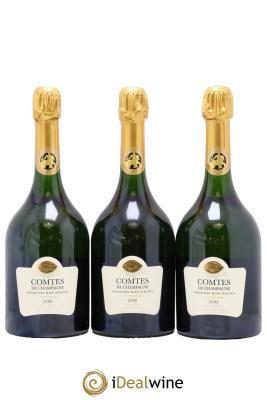
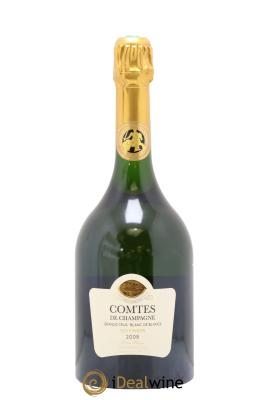
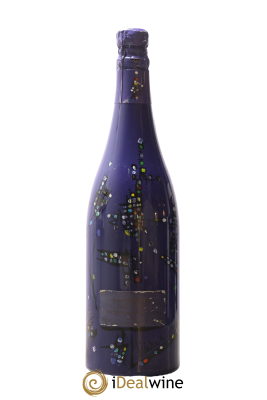
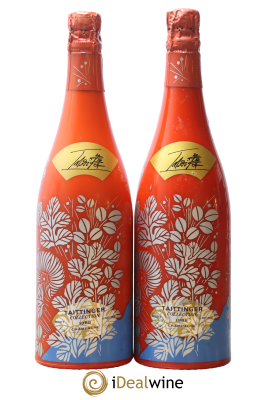
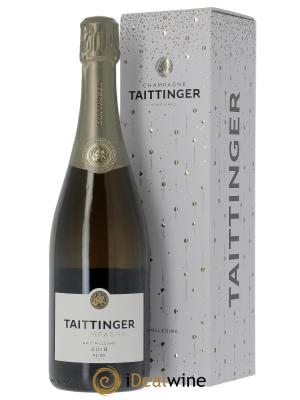
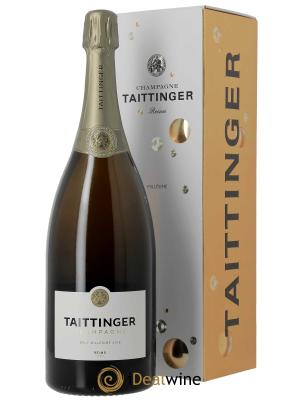
★ Partner ProducerThe Taittinger Champagne house is a model of excellence with a comprehensive range of cuvées. With a large amount of Chardonnay, the estate stretches across nearly 300 hectares and crafts exquisite wines in the image of the vintage Comtes de Champagne.
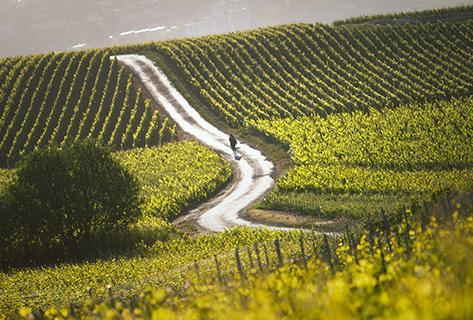
The historic Champagne house owns kilometres of Gallo-Roman crayères or chalk tunnels and almost 300 hectares of exceptional vineyards, planted to 40% with Chardonnay. The grapes are vinified in vats and undergo full malolactic fermentation. This historic champagne house is a benchmark in the region, especially for fans of Chardonnay.
The origins of Taittinger champagnes can be traced back to the wine merchant Jacques Fourneaux who established a company in 1734. This business moved premises to the House of the Counts of Champagne in the 19th century and was taken over by the Taittinger family in 1931 who then gave the company its name. In 1932, Pierre Taittinger's champagne house decided to give prominence to the Chardonnay grape. Between 1945 and 1960, Pierre Taittinger's son, François, managed the company with his two brothers, Jean and Claude. When François was killed in an accident, the company passed to Claude who remained at the helm from 1960 to 2005. In 2005, the house was sold to an American pension fund but was bought back the following year by the North Eastern division of the Crédit Agricole bank in partnership with Claude's nephew, Pierre-Emmanuel Taittinger. The reins have since been passed onto his daughter Vitalie.
The historic Champagne house owns kilometres of Gallo-Roman crayères or chalk tunnels and almost 300 hectares of exceptional vineyards, planted to 40% with Chardonnay. The grapes are vinified in vats and undergo full malolactic fermentation. This historic champagne house is a benchmark in the region, especially for fans of Chardonnay.
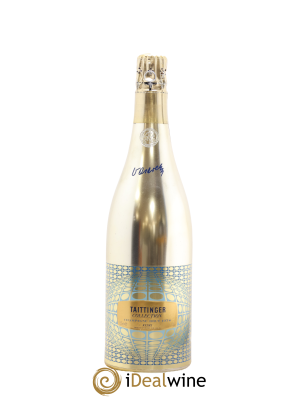
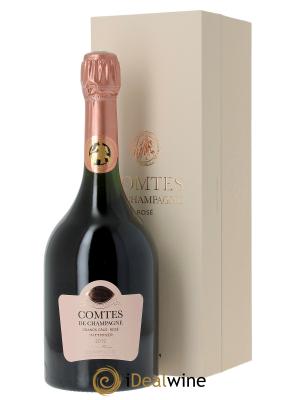
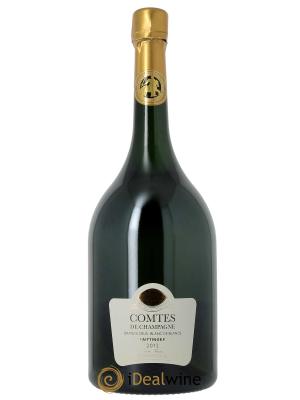
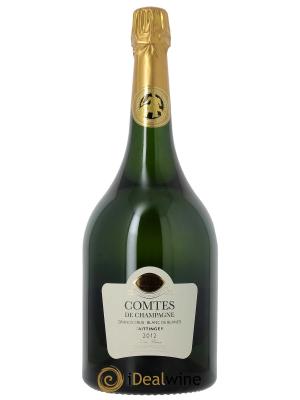
WHAT THE EXPERTS SAY...
BETTANE & DESSEAUVE
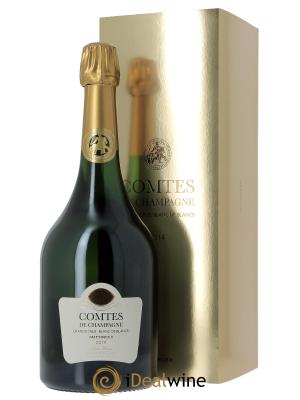
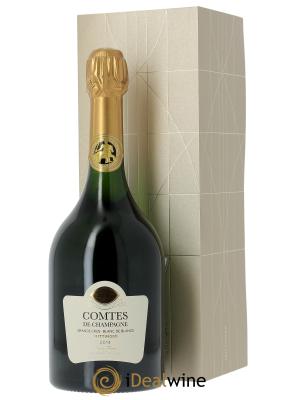
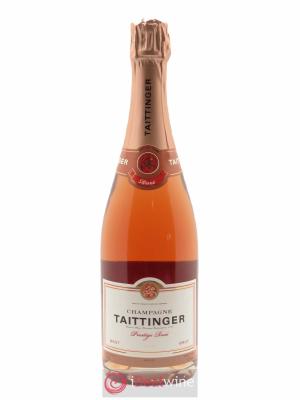
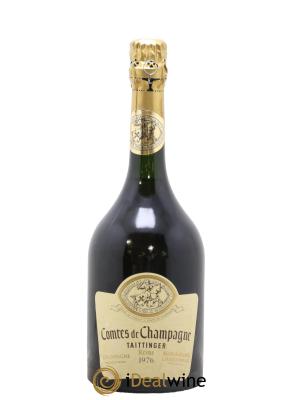
Taittinger has become a wonderful model for Champagne and wine in general. All their wines – and not only the most prestigious – are brilliant representatives of the region’s classic style, fresh and light. Each cuvée has its own personality, with the prestigious Comtes de Champagne as the cream of the crop.
LA REVUE DU VIN DE FRANCE
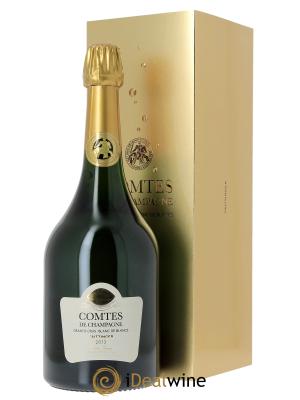
The flamboyant Pierre-Emmanuel Taittinger, together with his children Vitalie and Clovis as well as a young team, has worked to get this major estate back on track, with its historic roots and a treasure trove of vines. “The future of Taittinger isn’t so much in higher volumes but in a larger proportion of our luxury selection”, explains Pierre-Emmanuel, drawing our attention to the Comtes de Champagne cuvée. The dosage of 9 grams per litre is here defended as a “flavour enhancer, essential for non-vintage bruts”.